
硫化钙纳米结构对人乳腺癌细胞和良性细胞体外增殖的影响。
Effect of CaS Nanostructures in the Proliferation of Human Breast Cancer and Benign Cells In Vitro.
作者信息
Vazquez Daniel Rivera, Munoz Forti Kevin, Figueroa Rosado Maria M, Gutierrez Mirabal Pura I, Suarez-Martinez Edu, Castro-Rosario Miguel E
机构信息
School of Biological and Physical Sciences, Northwestern State University, Natchitoches, LA 71457, USA.
Department of Chemistry, The University of Puerto Rico at Mayaguez, Mayaguez 00680, Puerto Rico, USA.
出版信息
Appl Sci (Basel). 2022 Oct 2;12(20). doi: 10.3390/app122010494. Epub 2022 Oct 18.
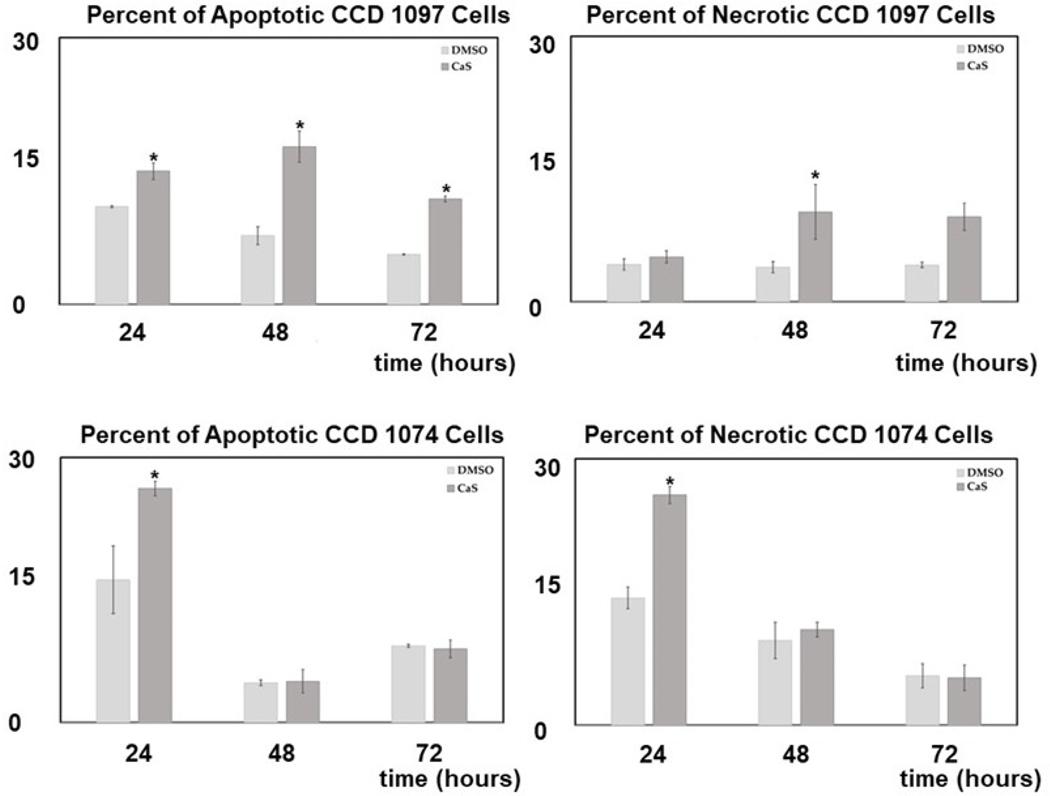
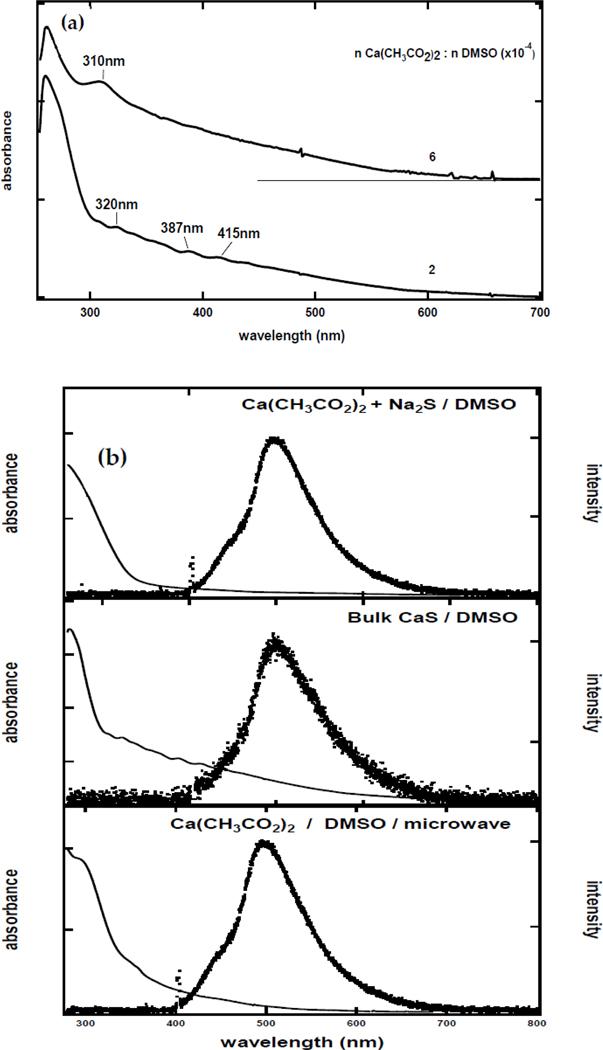
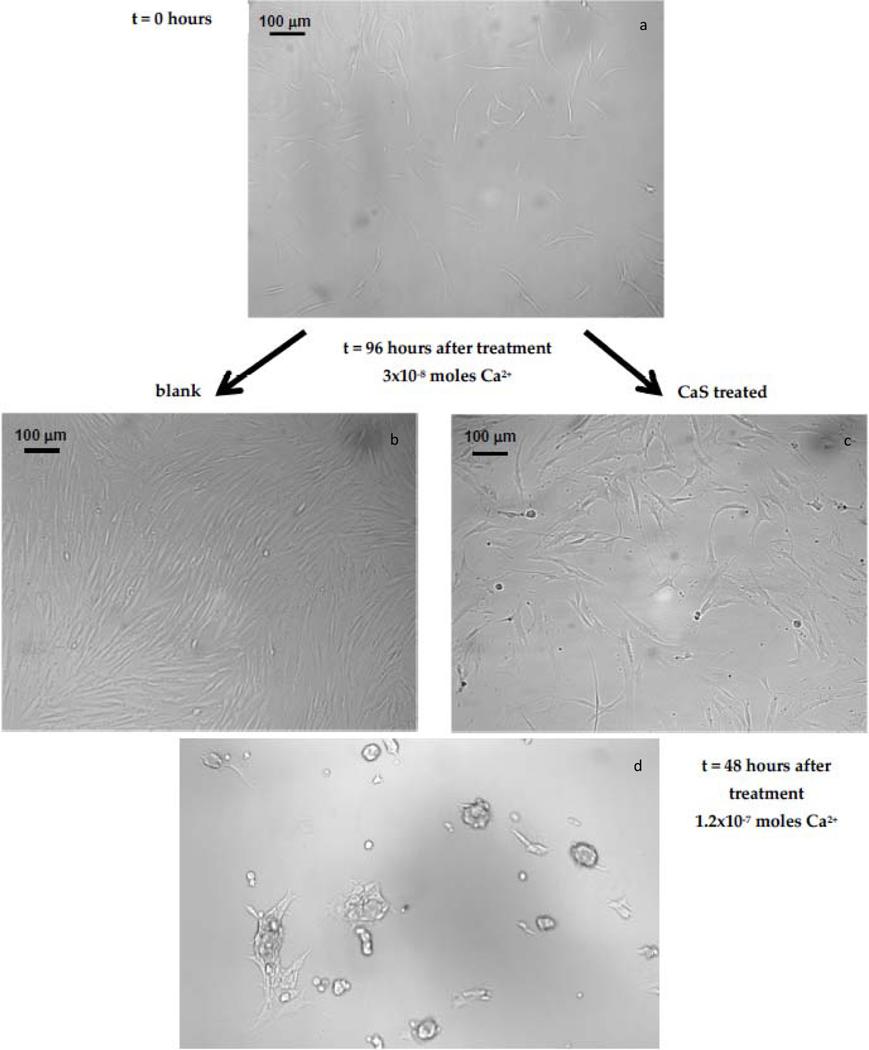
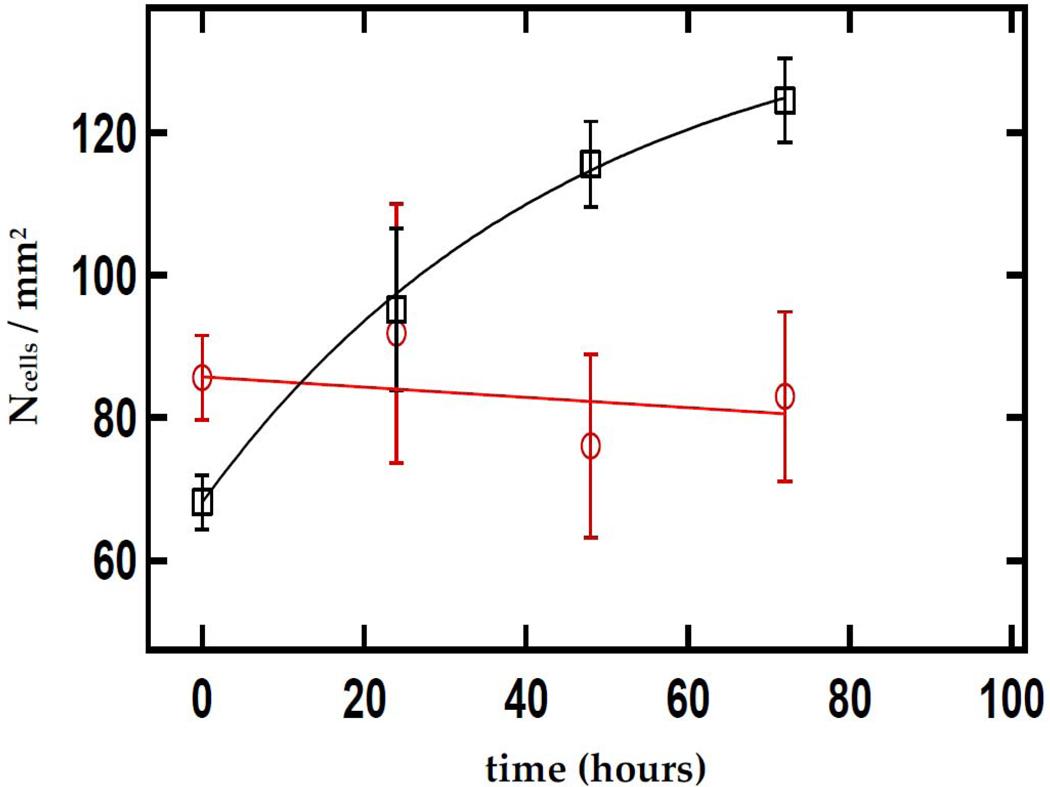
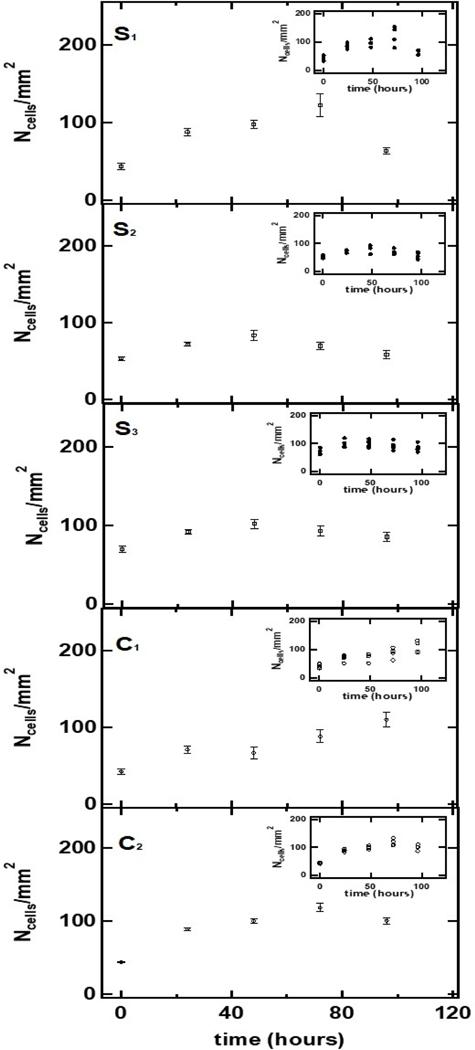
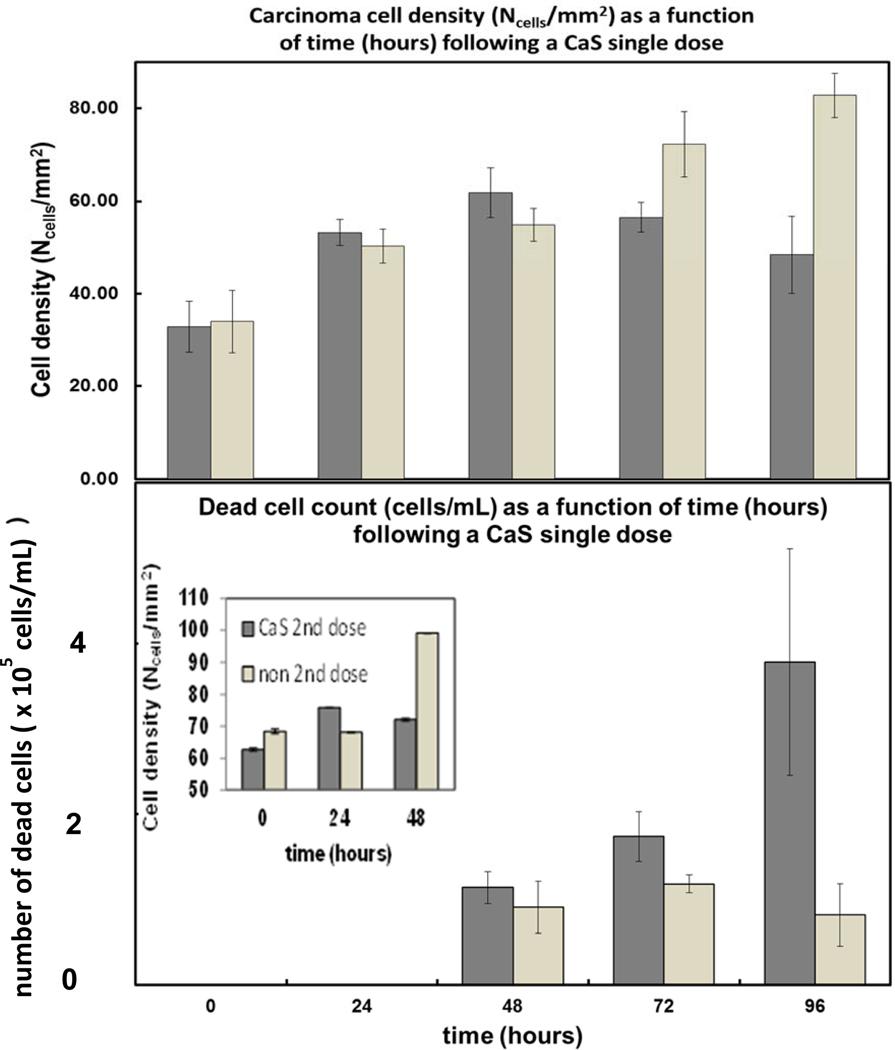
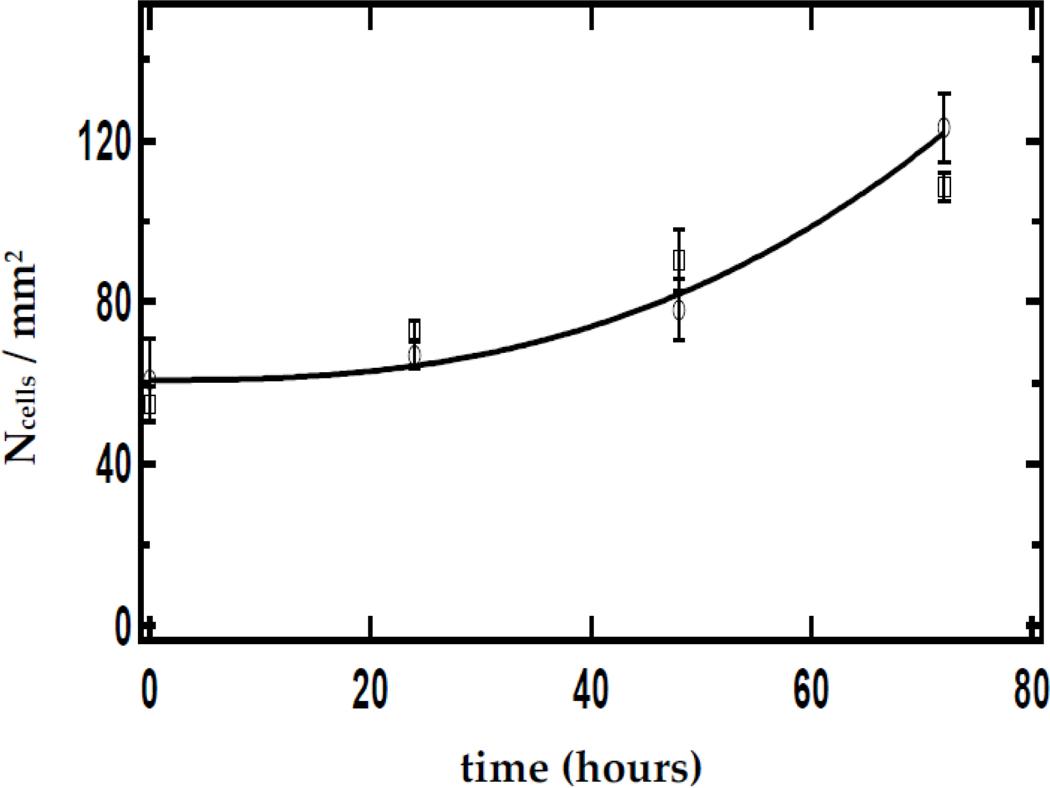
We report on the effect of naked CaS nanostructures on the proliferation of carcinoma cancer cells and normal fibroblasts in vitro. The CaS nanostructures were prepared via the microwave-mediated decomposition of dimethyl sulfoxide (DMSO) in the presence of calcium acetate . Light scattering measurements revealed that dispersions contain CaS nanostructures in the size range of a few Å to about 1 nanometer, and are formed when DMSO is decomposed in the presence of . Theoretical calculations at the DFT/B3LYP/DGDZVP level of theory on clusters ( , and 4) are consistent with clusters in this size range. The absorption spectra of the CaS nanostructures are dominated by strong bands in the UV, as well as weaker absorption bands in the visible. We found that a single dose of CaS nanoclusters smaller than 0.8 nm in diameter does not affect the survival and growth rate of normal fibroblasts and inhibits the proliferation rate of carcinoma cells in vitro. Larger CaS nanostructures, approximately (1.1 ± 0.2) nm in diameter, have a similar effect on carcinoma cell proliferation and survival rate. The CaS nanoclusters have little effect on the normal fibroblast cell cycle. Human carcinoma cells treated with CaS nanocluster dispersion exhibited a decreased ability to properly enter the cell cycle, marked by a decrease in cell concentration in the G0/G1 phase in the first 24 h and an increase in cells held in the SubG1 and G0/G1 phases up to 72 h post-treatment. Apoptosis and necrotic channels were found to play significant roles in the death of human carcinoma exposed to the CaS nanoclusters. In contrast, any effect on normal fibroblasts appeared to be short-lived and non-detrimental. The interaction of CaS with several functional groups was further investigated using theoretical calculations. CaS is predicted to interact with thiol ( ), hydroxide ( ), amino ( ), carboxylic acid ( ), ammonium ( ), and carboxylate ( ) functional groups. None of these interactions are predicted to result in the dissociation of CaS. Thermodynamic considerations, on the other hand, are consistent with the dissociation of CaS into ions and in acidic media, both of which are known to cause apoptosis or cell death. Passive uptake and extracellular pH values of carcinoma cells are proposed to result in the observed selectivity of CaS to inhibit cancer cell proliferation with no significant effect on normal fibroblast cells. The results encourage further research with other cell lines in vitro as well as in vivo to translate this nanotechnology into clinical use.
我们报道了裸露的硫化钙纳米结构对癌细胞和正常成纤维细胞体外增殖的影响。硫化钙纳米结构是通过在醋酸钙存在下微波介导二甲基亚砜(DMSO)分解制备的。光散射测量表明,分散体中含有尺寸范围从几埃到约1纳米的硫化钙纳米结构,且当DMSO在[具体物质]存在下分解时形成。在DFT/B3LYP/DGDZVP理论水平上对[具体簇结构]([具体情况]、[具体情况]和4)进行的理论计算与该尺寸范围内的簇结构一致。硫化钙纳米结构的吸收光谱主要由紫外区的强吸收带以及可见光区的较弱吸收带主导。我们发现,单剂量直径小于0.8纳米的硫化钙纳米簇不影响正常成纤维细胞的存活和生长速率,并在体外抑制癌细胞的增殖速率。直径约为(1.1±0.2)纳米的较大硫化钙纳米结构对癌细胞增殖和存活率有类似影响。硫化钙纳米簇对正常成纤维细胞的细胞周期影响很小。用硫化钙纳米簇分散体处理的人癌细胞进入细胞周期的能力下降,表现为在处理后的前24小时G0/G1期细胞浓度降低,以及在处理后长达72小时处于亚G1期和G0/G1期的细胞增加。发现凋亡和坏死途径在暴露于硫化钙纳米簇的人癌细胞死亡中起重要作用。相比之下,对正常成纤维细胞的任何影响似乎都是短暂且无害的。使用理论计算进一步研究了硫化钙与几个官能团的相互作用。预计硫化钙会与硫醇([具体情况])、氢氧根([具体情况])、氨基([具体情况])、羧酸([具体情况])、铵([具体情况])和羧酸盐([具体情况])官能团相互作用。预计这些相互作用都不会导致硫化钙解离。另一方面,热力学考虑与硫化钙在酸性介质中解离成钙离子和[具体离子]一致,已知这两种离子都会导致细胞凋亡或细胞死亡。癌细胞的被动摄取和细胞外pH值被认为是导致观察到的硫化钙对癌细胞增殖具有选择性抑制且对正常成纤维细胞无显著影响的原因。这些结果鼓励进一步开展体外以及体内其他细胞系的研究,以便将这种纳米技术转化为临床应用。


 Zotero 插件