
2019冠状病毒病疫情及抗疫措施对结核病、病毒性肝炎、艾滋病病毒/艾滋病和疟疾的影响——一项系统评价
Impact of COVID-19 pandemic and anti-pandemic measures on tuberculosis, viral hepatitis, HIV/AIDS and malaria-A systematic review.
作者信息
Kessel Barbora, Heinsohn Torben, Ott Jördis J, Wolff Jutta, Hassenstein Max J, Lange Berit
机构信息
Department of Epidemiology, Helmholtz Center for Infection Research, Braunschweig, Germany.
Hannover Medical School (MHH), Hannover, Germany.
出版信息
PLOS Glob Public Health. 2023 May 1;3(5):e0001018. doi: 10.1371/journal.pgph.0001018. eCollection 2023.
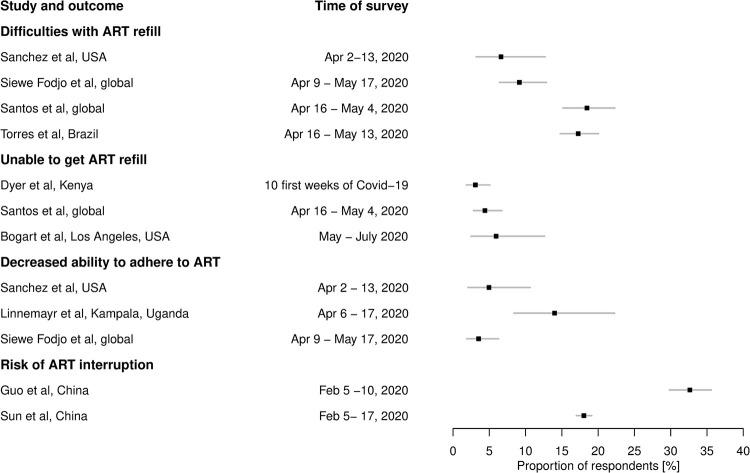
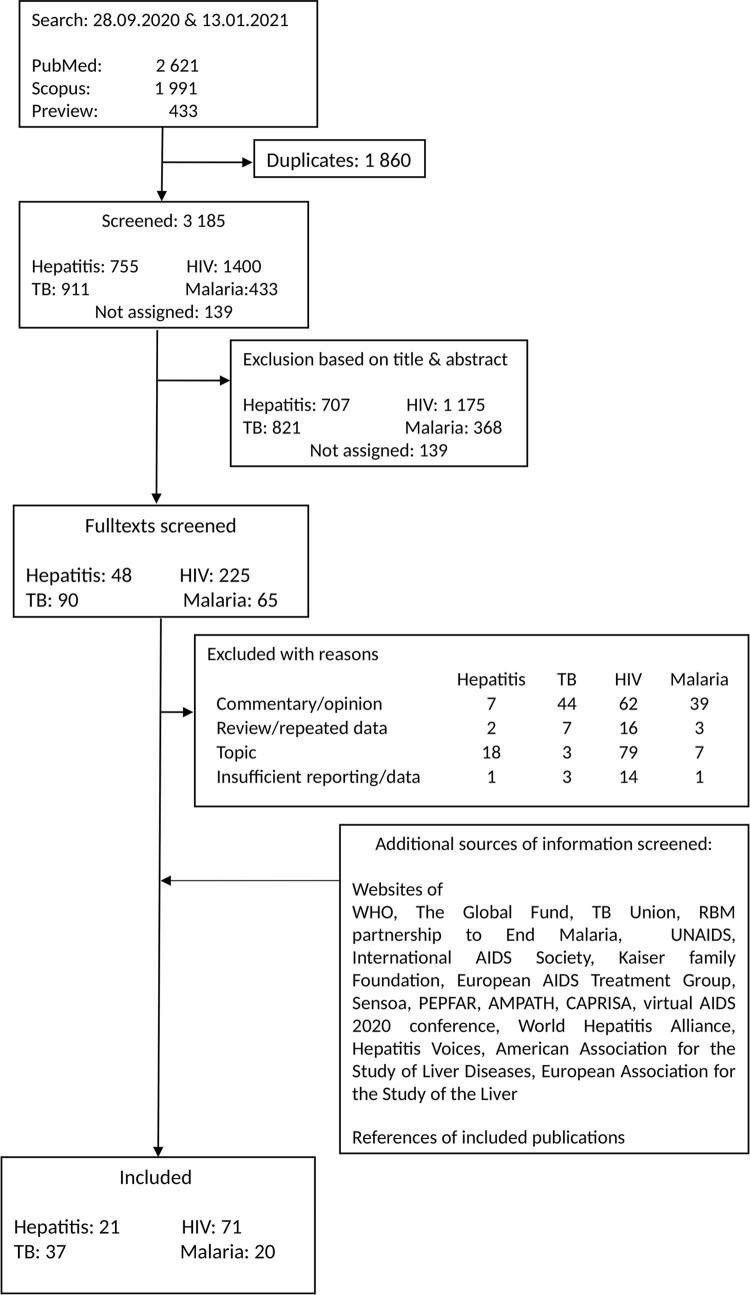
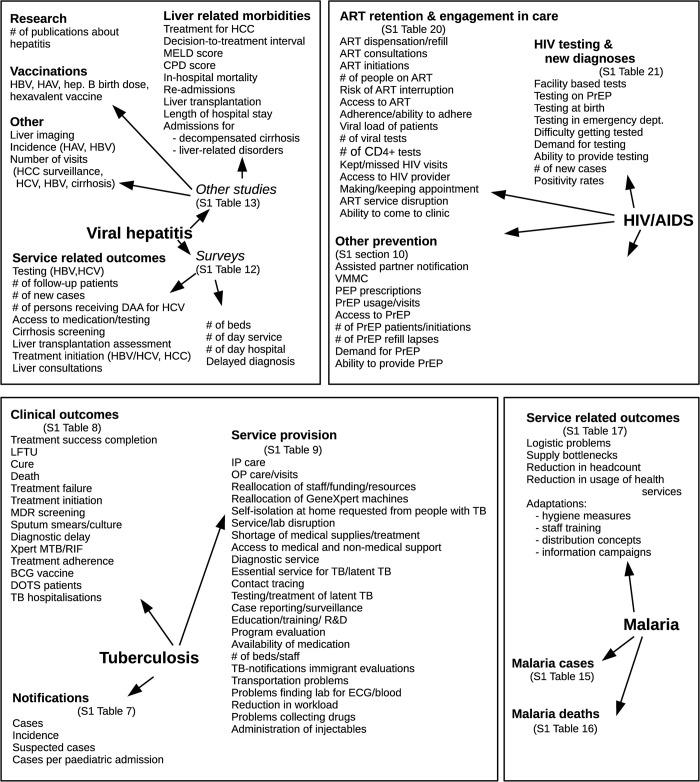
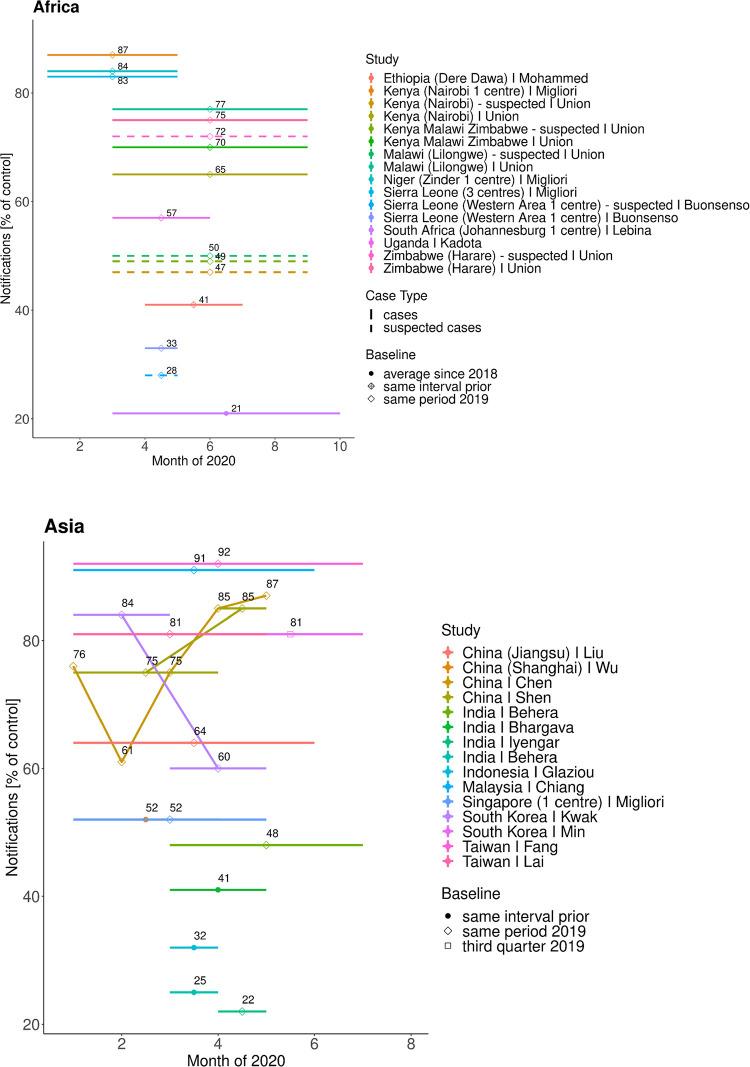
COVID-19 pandemic puts an enormous strain on health care systems worldwide and may have a detrimental effect on prevention, treatment and outcomes of tuberculosis (TB), viral hepatitis, HIV/AIDS and malaria, whose ending is part of the United Nations 2030 Agenda for Sustainable Development. We conducted a systematic review of scientific and grey literature in order to collect wide-ranging evidence with emphasis on quantification of the projected and actual indirect impacts of COVID-19 on the four infectious diseases with a global focus. We followed PRISMA guidelines and the protocol registered for malaria (CRD42021234974). We searched PubMed, Scopus, preView (last search: January 13, 2021) and websites of main (medical) societies and leading NGOs related to each of the four considered infectious diseases. From modelling studies, we identified the most impactful disruptions; from surveys and other quantitative studies (based e.g. on surveillance or program data), we assessed the actual size of the disruptions. The identified modelling studies warned about under-diagnosis (TB), anti-retroviral therapy interruption/decrease in viral load suppression (HIV), disruptions of insecticide-treated nets (ITN) distribution and access to effective treatment (malaria), and treatment delays and vaccination interruptions (viral hepatitis). The reported disruptions were very heterogeneous both between and within countries. If observed at several points in time, the initial drops (partly dramatic, e.g. TB notifications/cases, or HIV testing volumes decreased up to -80%) were followed by a gradual recovery. However, the often-missing assessment of the changes against the usual pre-pandemic fluctuations hampered the interpretation of less severe ones. Given the recurring waves of the pandemic and the unknown mid- to long-term effects of adaptation and normalisation, the real consequences for the fight against leading infectious diseases will only manifest over the coming years.
2019冠状病毒病大流行给全球医疗系统带来了巨大压力,可能对结核病、病毒性肝炎、艾滋病毒/艾滋病和疟疾的预防、治疗及治疗效果产生不利影响,而消除这些疾病是联合国《2030年可持续发展议程》的一部分。我们对科学文献和灰色文献进行了系统综述,以收集广泛的证据,重点是量化2019冠状病毒病对这四种传染病的预计和实际间接影响,并以全球为视角。我们遵循了系统评价和Meta分析的首选报告项目(PRISMA)指南以及为疟疾注册的方案(注册号:CRD42021234974)。我们检索了PubMed、Scopus、预印本平台(最后检索日期:2021年1月13日)以及与这四种被考虑的传染病相关的主要(医学)协会和主要非政府组织的网站。从模型研究中,我们确定了最具影响力的干扰因素;从调查和其他定量研究(例如基于监测或项目数据)中,我们评估了干扰因素的实际规模。已确定的模型研究警告了诊断不足(结核病)、抗逆转录病毒治疗中断/病毒载量抑制下降(艾滋病毒)、经杀虫剂处理蚊帐(ITN)分发中断以及获得有效治疗的机会减少(疟疾),以及治疗延迟和疫苗接种中断(病毒性肝炎)。所报告的干扰在不同国家之间和国家内部都非常不均衡。如果在多个时间点进行观察,最初的下降(部分降幅巨大,例如结核病报告数/病例数,或艾滋病毒检测量下降高达80%)之后会逐渐恢复。然而,由于常常缺乏针对疫情前正常波动情况对变化进行的评估,使得对不太严重的变化难以解读。鉴于疫情的反复以及适应和正常化的中长期影响尚不明朗,未来几年抗击主要传染病的实际后果才会显现出来。
 Zotero 插件