
恶性疟原虫已经进化出多种机制来劫持人免疫球蛋白 M。
Plasmodium falciparum has evolved multiple mechanisms to hijack human immunoglobulin M.
机构信息
State Key Laboratory of Protein and Plant Gene Research, School of Life Sciences, Peking University, Beijing, China.
Changping Laboratory, Beijing, PR China.
出版信息
Nat Commun. 2023 May 8;14(1):2650. doi: 10.1038/s41467-023-38320-z.
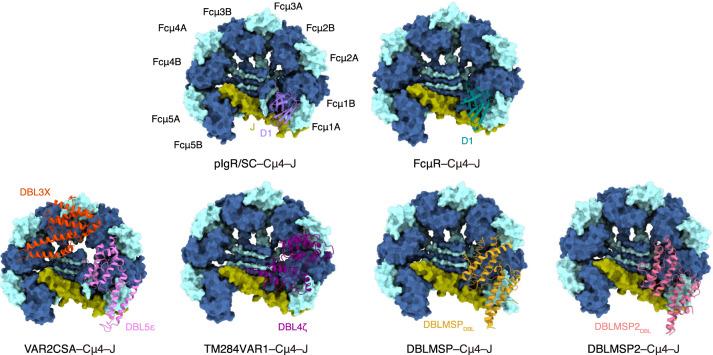
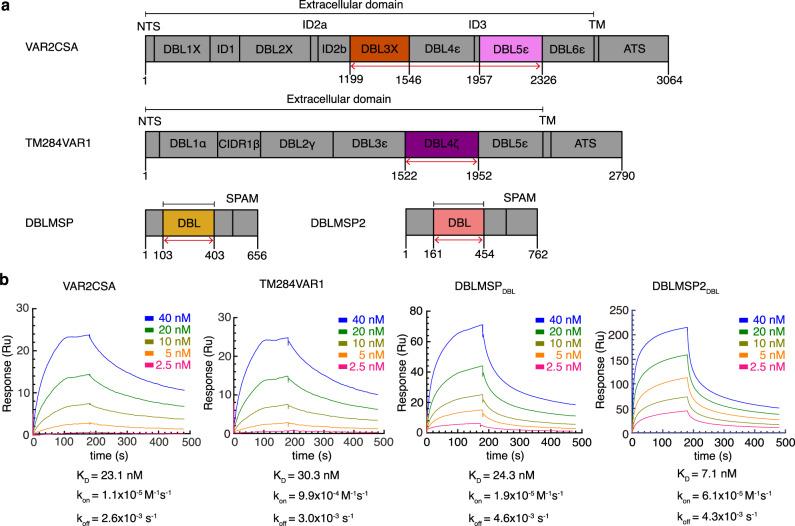
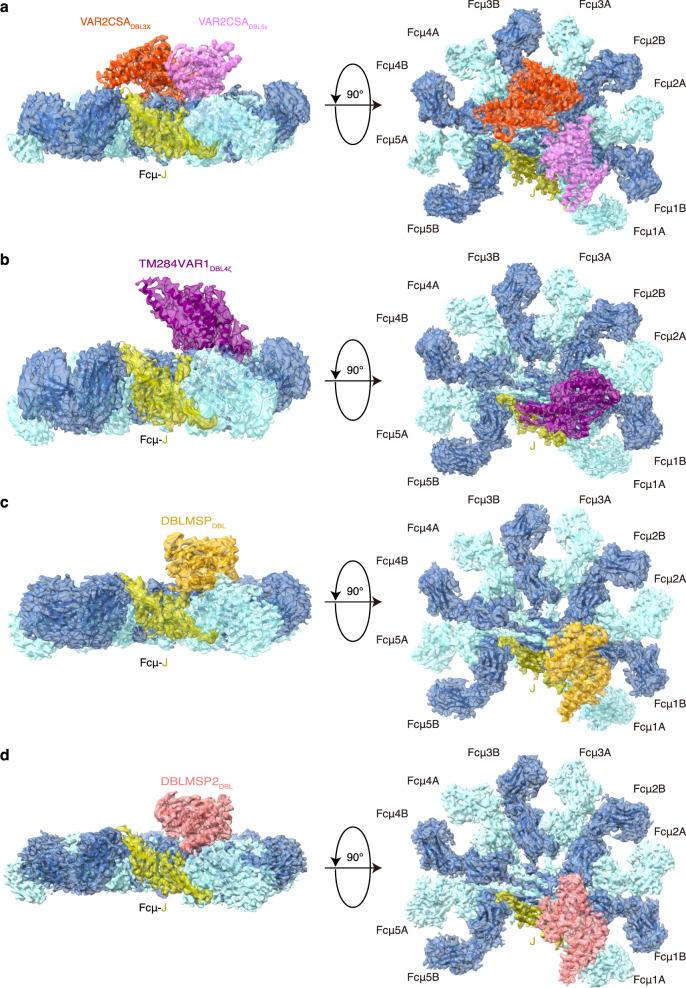
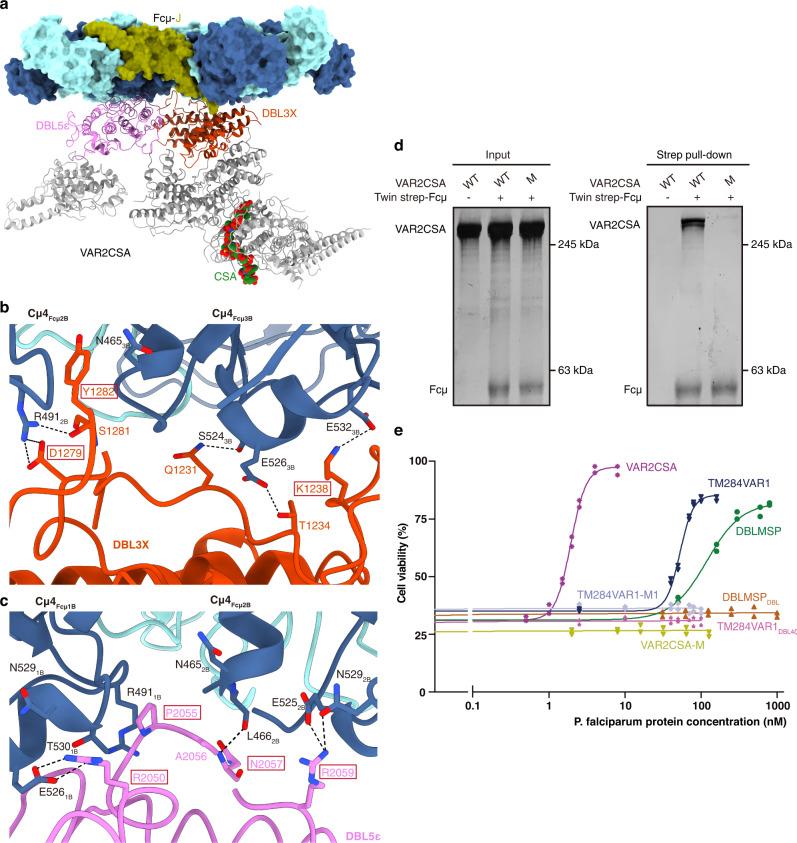
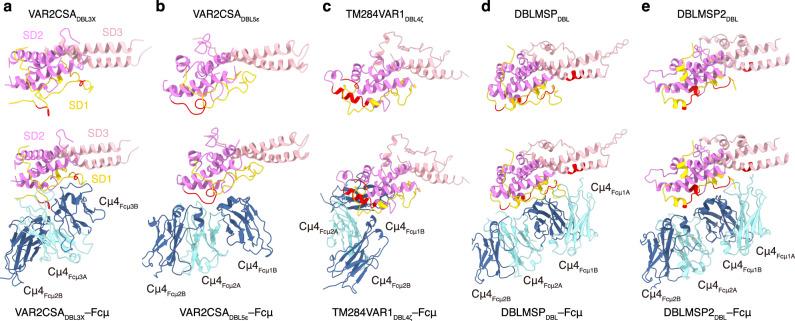
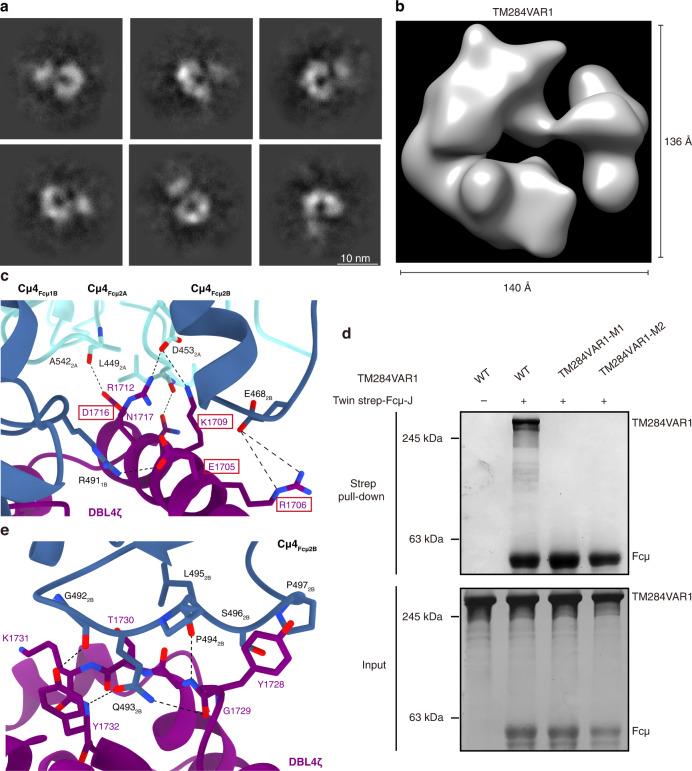
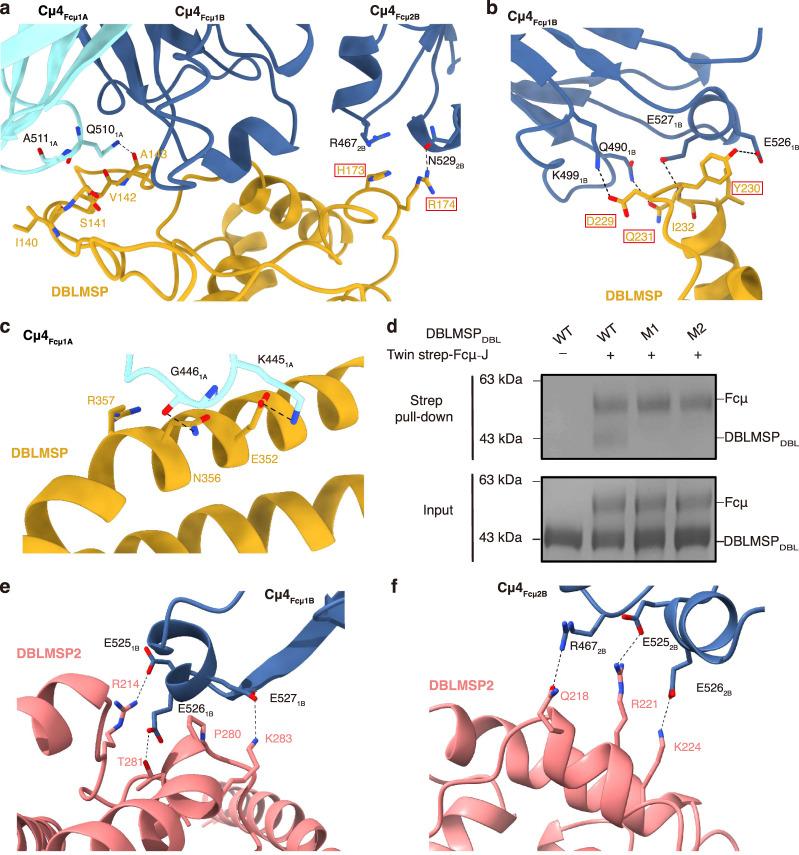
Plasmodium falciparum causes the most severe malaria in humans. Immunoglobulin M (IgM) serves as the first line of humoral defense against infection and potently activates the complement pathway to facilitate P. falciparum clearance. A number of P. falciparum proteins bind IgM, leading to immune evasion and severe disease. However, the underlying molecular mechanisms remain unknown. Here, using high-resolution cryo-electron microscopy, we delineate how P. falciparum proteins VAR2CSA, TM284VAR1, DBLMSP, and DBLMSP2 target IgM. Each protein binds IgM in a different manner, and together they present a variety of Duffy-binding-like domain-IgM interaction modes. We further show that these proteins interfere directly with IgM-mediated complement activation in vitro, with VAR2CSA exhibiting the most potent inhibitory effect. These results underscore the importance of IgM for human adaptation of P. falciparum and provide critical insights into its immune evasion mechanism.
恶性疟原虫引起人类最严重的疟疾。免疫球蛋白 M(IgM)作为针对感染的第一道体液防御线,可强烈激活补体途径,促进恶性疟原虫清除。许多恶性疟原虫蛋白与 IgM 结合,导致免疫逃逸和严重疾病。然而,潜在的分子机制尚不清楚。在这里,我们使用高分辨率冷冻电子显微镜描绘了恶性疟原虫蛋白 VAR2CSA、TM284VAR1、DBLMSP 和 DBLMSP2 如何靶向 IgM。每种蛋白以不同的方式与 IgM 结合,它们共同呈现出多种 Duffy 结合样域-IgM 相互作用模式。我们进一步表明,这些蛋白在体外直接干扰 IgM 介导的补体激活,其中 VAR2CSA 表现出最强的抑制作用。这些结果强调了 IgM 对恶性疟原虫适应人体的重要性,并为其免疫逃逸机制提供了重要的见解。
 Zotero 插件