
肠病毒与 1 型糖尿病发病的协同关系。
and Enteroviruses as Synergistic Triggers of Type 1 Diabetes Mellitus.
机构信息
Department of Physiology, Michigan State University, East Lansing, MI 48824, USA.
Department of Microbiology and Molecular Genetics, Michigan State University, East Lansing, MI 48824, USA.
出版信息
Int J Mol Sci. 2023 May 6;24(9):8336. doi: 10.3390/ijms24098336.
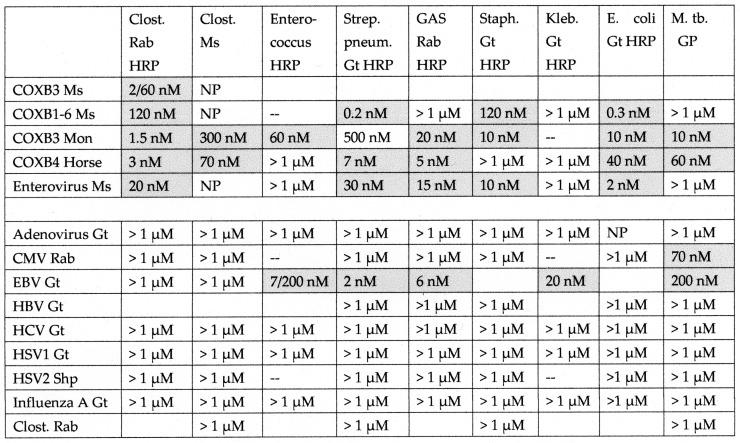
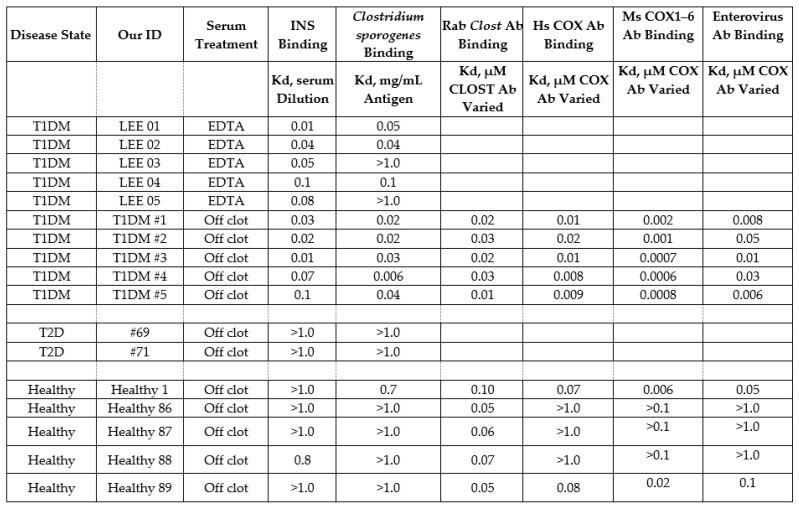
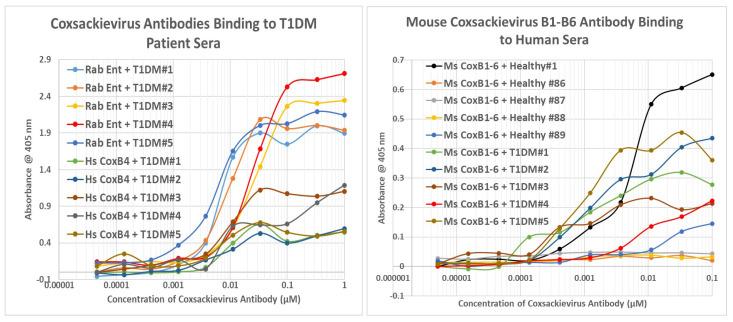
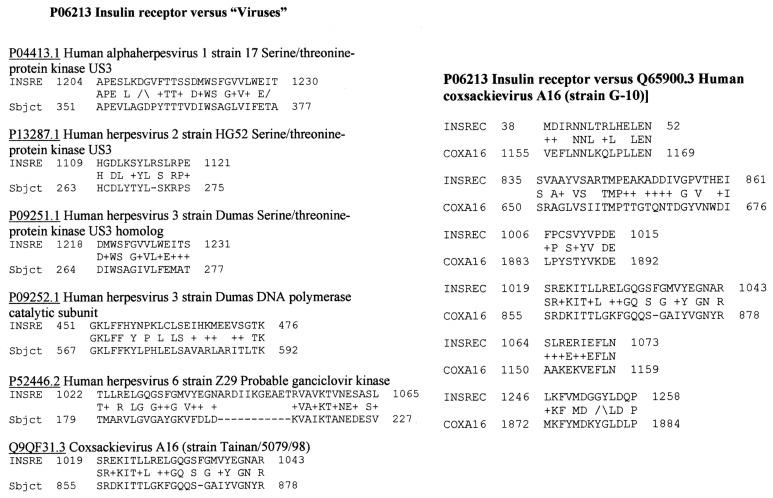
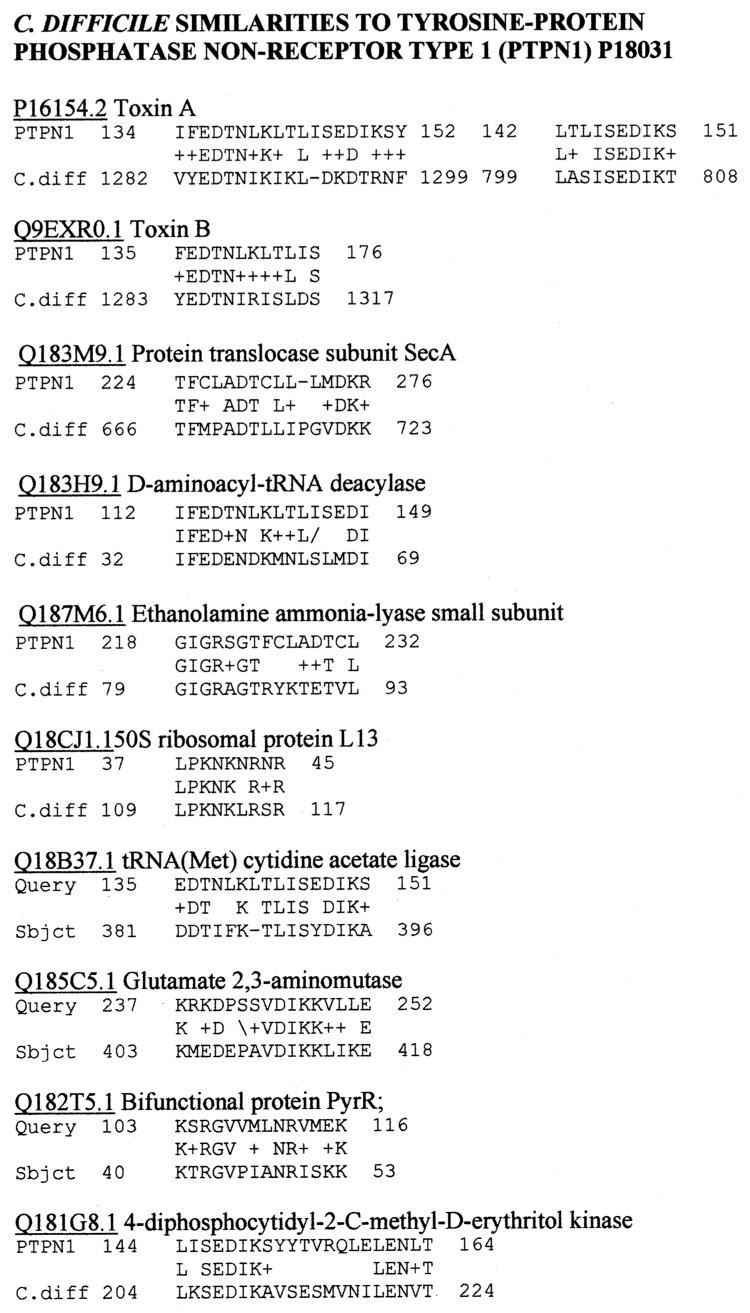
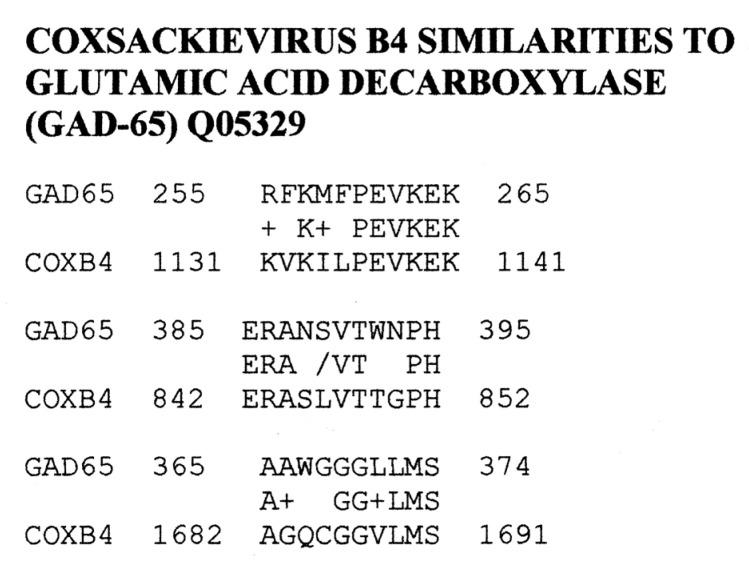
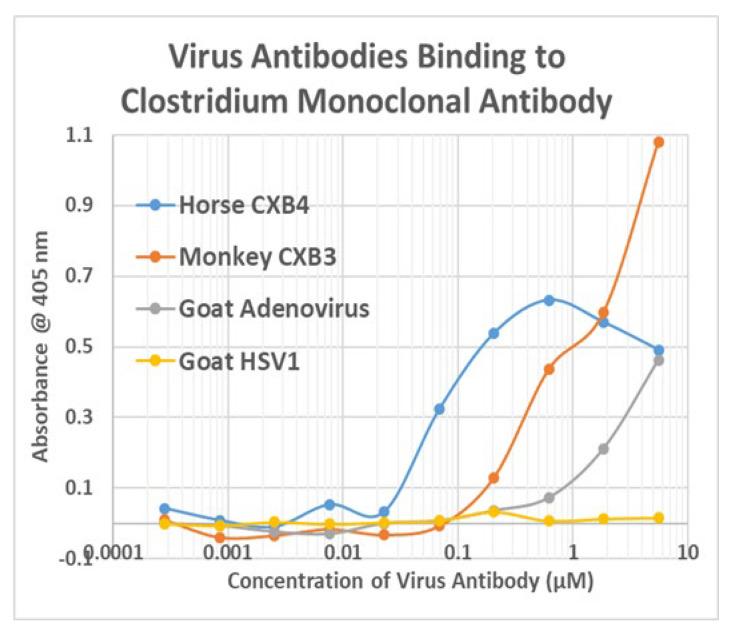
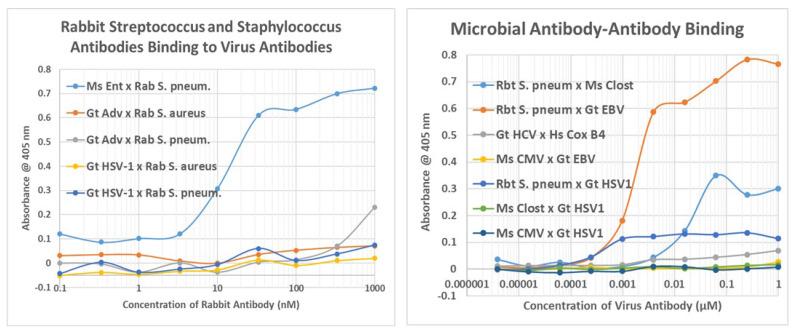
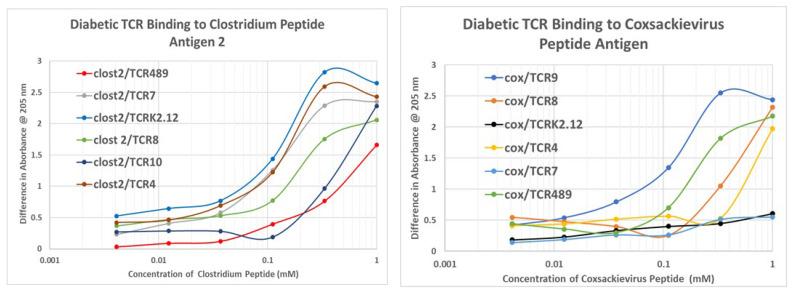
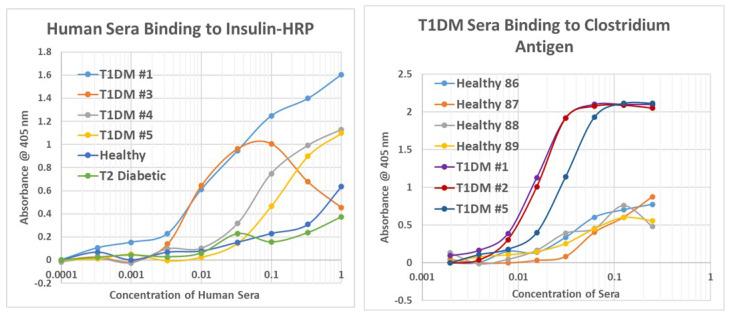
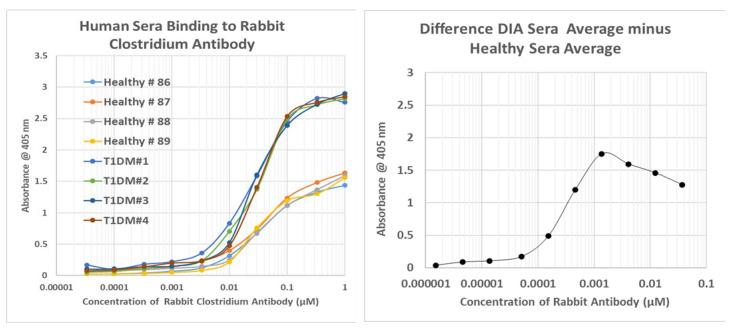
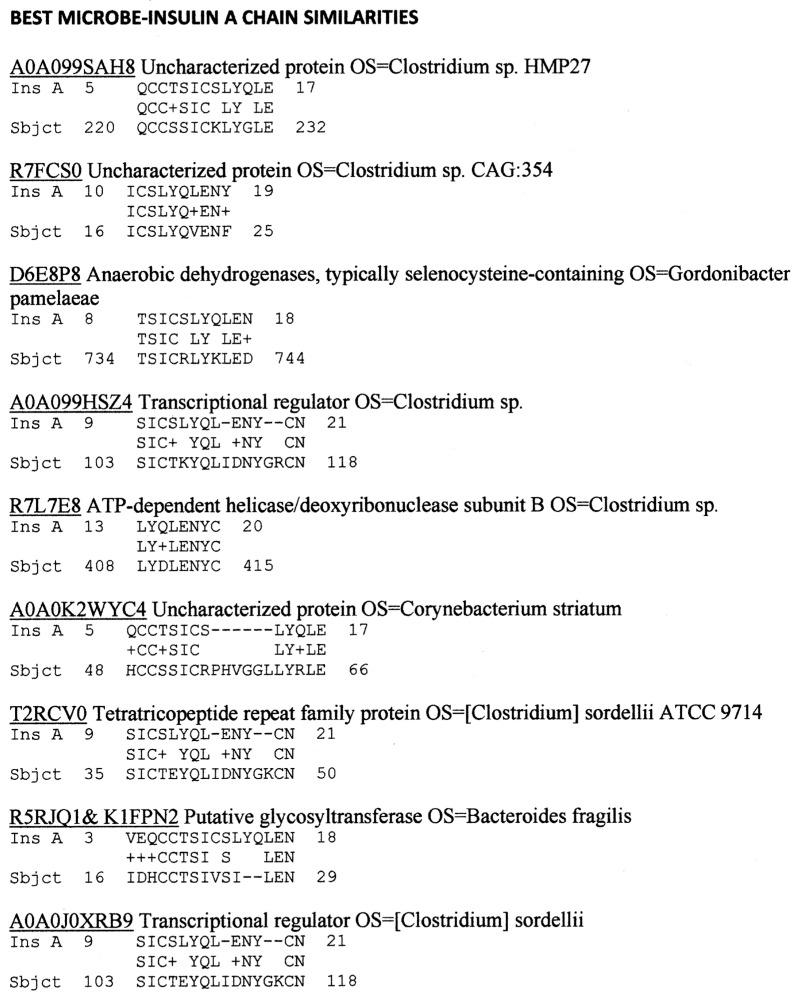
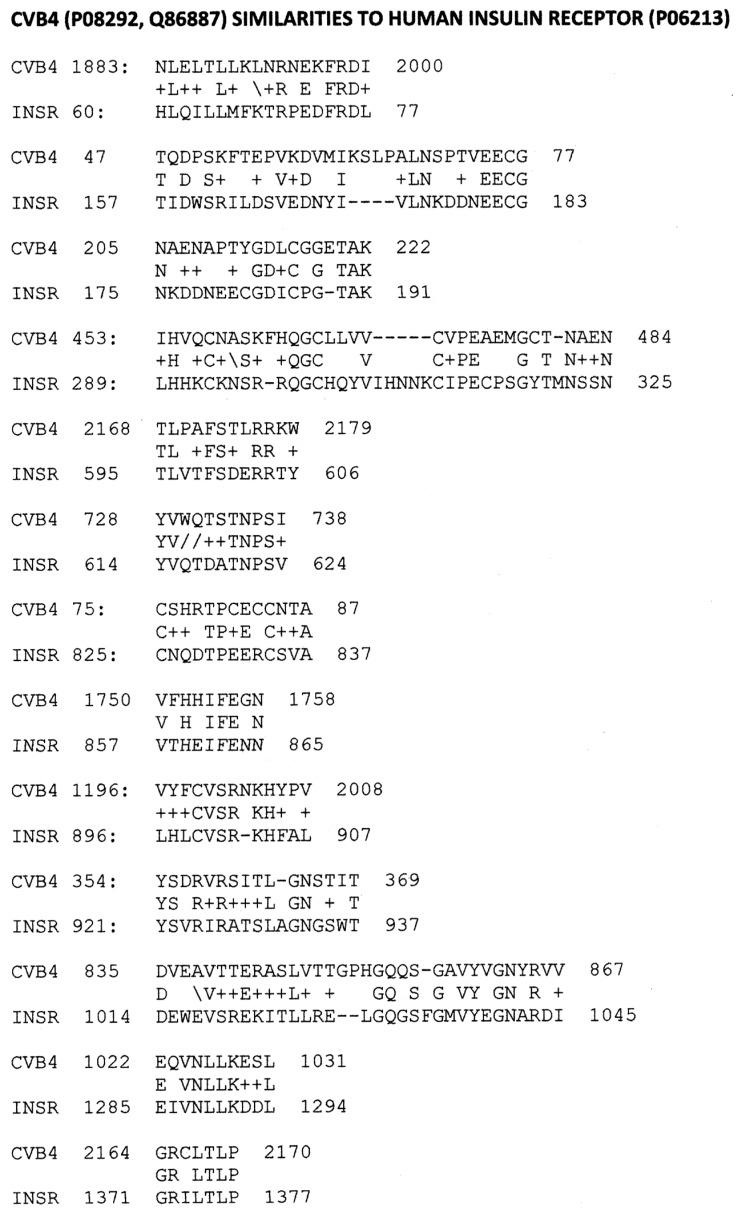
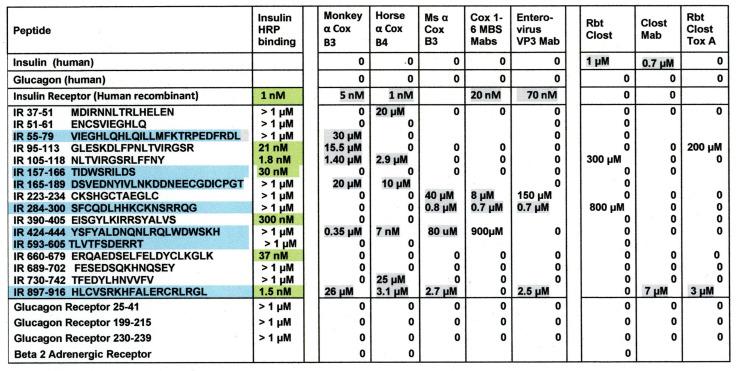
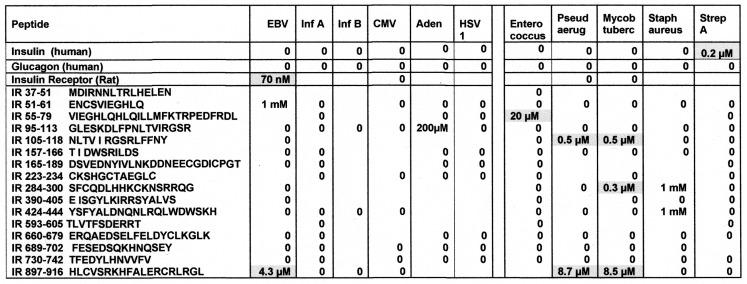
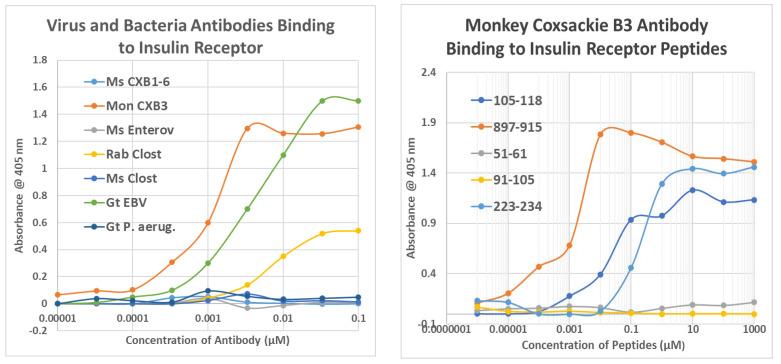
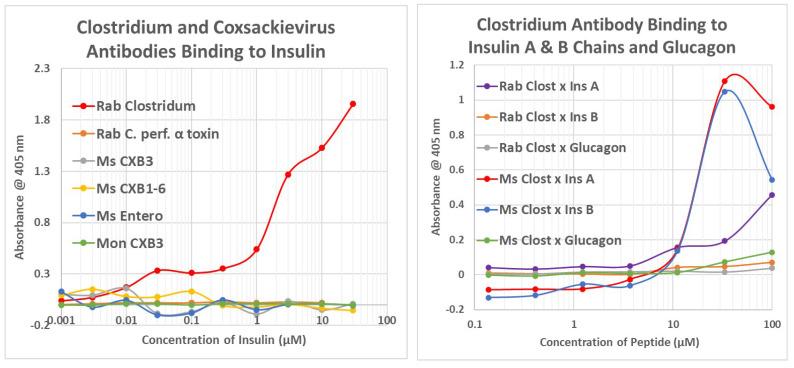
What triggers type 1 diabetes mellitus (T1DM)? One common assumption is that triggers are individual microbes that mimic autoantibody targets such as insulin (INS). However, most microbes highly associated with T1DM pathogenesis, such as coxsackieviruses (COX), lack INS mimicry and have failed to induce T1DM in animal models. Using proteomic similarity search techniques, we found that COX actually mimicked the INS receptor (INSR). were the best mimics of INS. antibodies cross-reacted with INS in ELISA experiments, confirming mimicry. COX antibodies cross-reacted with INSR. antibodies further bound to COX antibodies as idiotype-anti-idiotype pairs conserving INS-INSR complementarity. Ultraviolet spectrometry studies demonstrated that INS-like peptides bound to INSR-like COX peptides. These complementary peptides were also recognized as antigens by T cell receptor sequences derived from T1DM patients. Finally, most sera from T1DM patients bound strongly to inactivated , while most sera from healthy individuals did not; T1DM sera also exhibited evidence of anti-idiotype antibodies against idiotypic INS, glutamic acid decarboxylase, and protein tyrosine phosphatase non-receptor (islet antigen-2) antibodies. These results suggest that T1DM is triggered by combined enterovirus- (and possibly combined Epstein-Barr-virus-) infections, and the probable rate of such co-infections approximates the rate of new T1DM diagnoses.
是什么引发了 1 型糖尿病(T1DM)?一种常见的假设是,引发 T1DM 的是类似于自身抗体靶标的个体微生物,如胰岛素(INS)。然而,与 T1DM 发病机制高度相关的大多数微生物,如柯萨奇病毒(COX),缺乏 INS 模拟性,并且未能在动物模型中引发 T1DM。我们使用蛋白质组相似性搜索技术,发现 COX 实际上模拟了 INS 受体(INSR)。INSB 是 INS 的最佳模拟物。INSB 抗体在 ELISA 实验中与 INS 发生交叉反应,证实了模拟性。COX 抗体与 INSR 发生交叉反应。抗独特型抗体进一步与 COX 抗体结合,形成保守 INS-INSR 互补性的独特型-抗独特型对。紫外光谱研究表明,类似于 INS 的肽与类似于 COX 的肽结合。这些互补肽也被来自 T1DM 患者的 T 细胞受体序列识别为抗原。最后,大多数 T1DM 患者的血清与灭活的 COXB 强烈结合,而大多数健康个体的血清则不结合;T1DM 患者的血清还表现出针对独特型 INS、谷氨酸脱羧酶和蛋白酪氨酸磷酸酶非受体(胰岛抗原-2)抗体的抗独特型抗体的证据。这些结果表明,T1DM 是由肠病毒(和可能的联合 EBV)感染引发的,这种合并感染的可能发生率接近新 T1DM 诊断的发生率。










 Zotero 插件