
废聚乙烯/乙烯-醋酸乙烯酯交联改性沥青及硅酮偶联剂的流变性能与储存稳定性研究
Investigation of the Rheological Properties and Storage Stability of Waste Polyethylene/Ethylene-Vinyl Acetate-Modified Asphalt with Crosslinking and a Silicone Coupling Agent.
作者信息
Ma Yuhao, Zhou Tao, Song Hao, Zhang Hong
机构信息
Department of Chemical Engineering, Northwest Minzu University, Lanzhou 730000, China.
Key Laboratory of Environment-Friendly Composite Materials of the State Ethnic Affairs Commission, Lanzhou 730000, China.
出版信息
Materials (Basel). 2023 Apr 22;16(9):3289. doi: 10.3390/ma16093289.
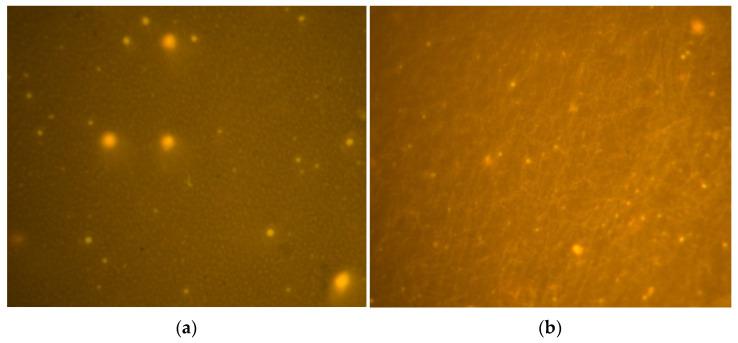
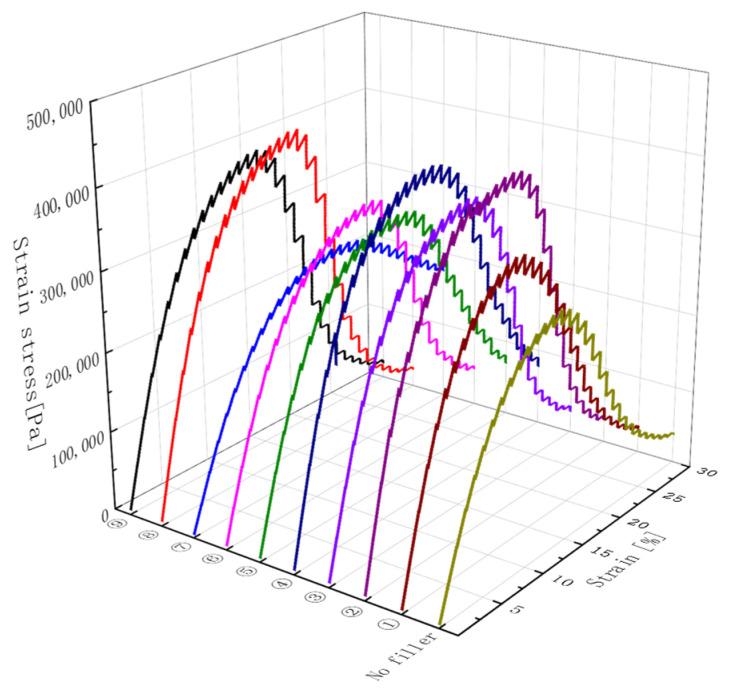
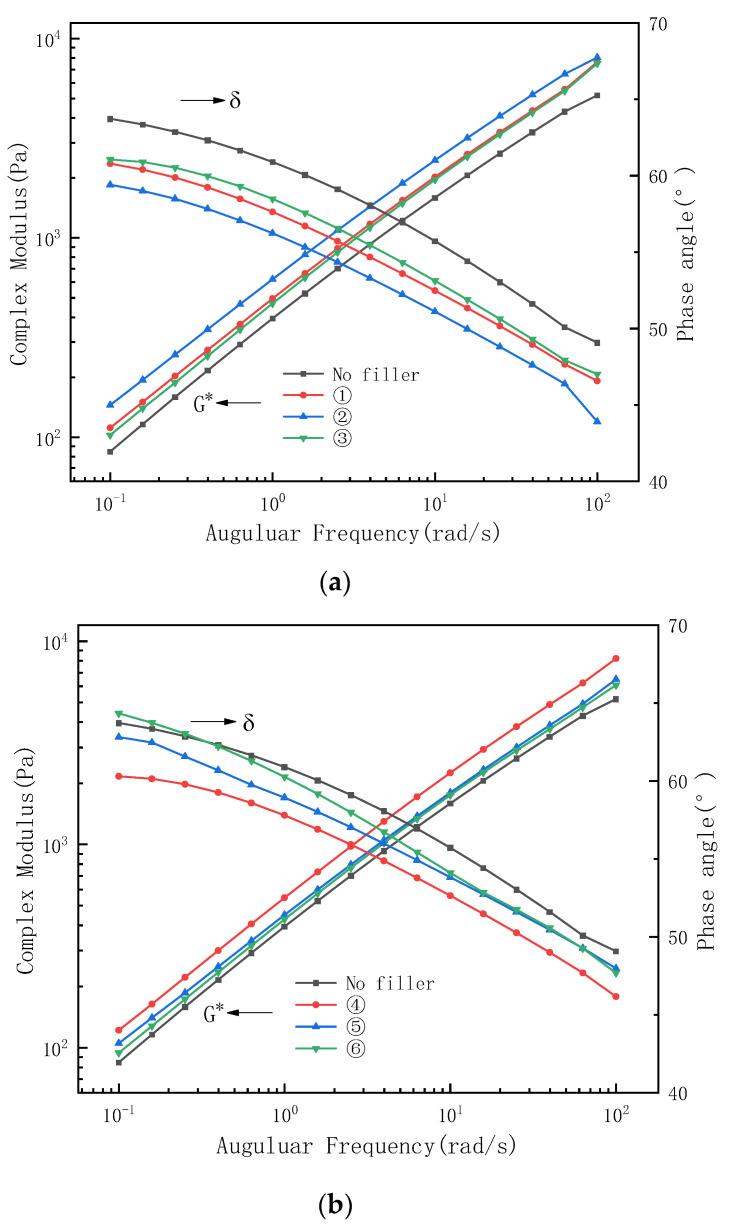
As the market for polyethylene consumption continues to expand, the amount of waste polyethylene is also increasing. Modifying asphalt with waste polyethylene (PE) is economical and environmentally friendly. The low-temperature performance and storage stability of PE-modified asphalt has long been an insurmountable problem. The high vinyl acetate (VA) content of ethylene-vinyl acetate (EVA) and PE blended into asphalt can improve the compatibility of PE and asphalt. It compensates for the high VA content of EVA brought about by the lack of high-temperature resistance to permanent deformation but is still not conducive to the stable storage of PE at high temperatures. The effect of furfural extraction oil, a crosslinking (DCP) agent, a silicone coupling agent (KH-570), and calcium carbonate (CaCO) on the rheological properties and compatibility of PE/EVA-modified asphalt was investigated in this study. The conventional physical properties of PE/EVA-modified asphalt were tested after introducing furfural extraction oil, DCP, KH570, and CaCO to determine the correlations of these materials. In addition, frequency sweep, multiple stress creep and recovery (MSCR), and linear amplitude sweep (LAS) were utilized to characterize the rheological properties and fatigue behavior. The results reveal that the addition of suitable ratios of furfural extract oil, DCP, KH-570, and CaCO to PE/EVA-modified asphalt produces a remarkable improvement in the viscoelastic characteristics and viscosity compared with PE/EVA-modified asphalt. Furthermore, fluorescence microscopy (FM) was utilized to evaluate the modification mechanism, which shows that PE/EVA undergoes significant crosslinking in asphalt, forming a three-dimensional network structure that dissolves in the asphalt. The storage stability of the PE-modified bitumen was fully determined, and its high-temperature rheology was substantially improved.
随着聚乙烯消费市场持续扩大,废弃聚乙烯的数量也在增加。用废弃聚乙烯(PE)改性沥青既经济又环保。PE改性沥青的低温性能和储存稳定性长期以来一直是个难以解决的问题。乙烯-醋酸乙烯酯(EVA)与PE共混并加入沥青中,其高醋酸乙烯酯(VA)含量可提高PE与沥青的相容性。这弥补了EVA因耐高温永久变形能力不足而带来的高VA含量问题,但仍不利于PE在高温下的稳定储存。本研究考察了糠醛抽出油、交联剂(DCP)、硅烷偶联剂(KH-570)和碳酸钙(CaCO₃)对PE/EVA改性沥青流变性能和相容性的影响。在引入糠醛抽出油、DCP、KH570和CaCO₃后,测试了PE/EVA改性沥青的常规物理性能,以确定这些材料之间的相关性。此外,利用频率扫描、多重应力蠕变恢复(MSCR)和线性振幅扫描(LAS)来表征流变性能和疲劳行为。结果表明,与PE/EVA改性沥青相比,向PE/EVA改性沥青中添加合适比例的糠醛抽出油、DCP、KH-570和CaCO₃可显著改善其粘弹性特性和粘度。此外,利用荧光显微镜(FM)评估改性机理,结果表明PE/EVA在沥青中发生显著交联,形成溶解于沥青中的三维网络结构。充分确定了PE改性沥青的储存稳定性,并大幅改善了其高温流变性能。



 Zotero 插件