
临床稳定的 COVID-19 患者在急性非计划性 episodic 护理场所就诊时,住院风险增加:一项随机对照试验的二次分析。
Clinically stable covid-19 patients presenting to acute unscheduled episodic care venues have increased risk of hospitalization: secondary analysis of a randomized control trial.
机构信息
Intermountain Healthcare, Emergency Medicine and Trauma, Salt Lake City, UT, USA.
Intermountain Medical Center, Department of Medicine, 5121 S. Cottonwood Drive, Murray, UT, 84157, USA.
出版信息
BMC Infect Dis. 2023 May 15;23(1):325. doi: 10.1186/s12879-023-08295-9.
BACKGROUND
Assessment for risks associated with acute stable COVID-19 is important to optimize clinical trial enrollment and target patients for scarce therapeutics. To assess whether healthcare system engagement location is an independent predictor of outcomes we performed a secondary analysis of the ACTIV-4B Outpatient Thrombosis Prevention trial.
METHODS
A secondary analysis of the ACTIV-4B trial that was conducted at 52 US sites between September 2020 and August 2021. Participants were enrolled through acute unscheduled episodic care (AUEC) enrollment location (emergency department, or urgent care clinic visit) compared to minimal contact (MC) enrollment (electronic contact from test center lists of positive patients).We report the primary composite outcome of cardiopulmonary hospitalizations, symptomatic venous thromboembolism, myocardial infarction, stroke, transient ischemic attack, systemic arterial thromboembolism, or death among stable outpatients stratified by enrollment setting, AUEC versus MC. A propensity score for AUEC enrollment was created, and Cox proportional hazards regression with inverse probability weighting (IPW) was used to compare the primary outcome by enrollment location.
RESULTS
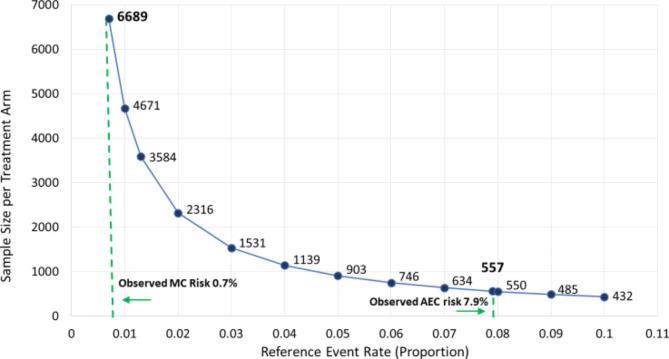
Among the 657 ACTIV-4B patients randomized, 533 (81.1%) with known enrollment setting data were included in this analysis, 227 from AUEC settings and 306 from MC settings. In a multivariate logistic regression model, time from COVID test, age, Black race, Hispanic ethnicity, and body mass index were associated with AUEC enrollment. Irrespective of trial treatment allocation, patients enrolled at an AUEC setting were 10-times more likely to suffer from the adjudicated primary outcome, 7.9% vs. 0.7%; p < 0.001, compared with patients enrolled at a MC setting. Upon Cox regression analysis adjustment patients enrolled at an AUEC setting remained at significant risk of the primary composite outcome, HR 3.40 (95% CI 1.46, 7.94).
CONCLUSIONS
Patients with clinically stable COVID-19 presenting to an AUEC enrollment setting represent a population at increased risk of arterial and venous thrombosis complications, hospitalization for cardiopulmonary events, or death, when adjusted for other risk factors, compared with patients enrolled at a MC setting. Future outpatient therapeutic trials and clinical therapeutic delivery programs of clinically stable COVID-19 patients may focus on inclusion of higher-risk patient populations from AUEC engagement locations.
TRIAL REGISTRATION
ClinicalTrials.gov Identifier: NCT04498273.
背景
评估急性稳定期 COVID-19 相关风险对于优化临床试验入组和靶向治疗稀缺药物的患者非常重要。为了评估医疗保健系统参与地点是否是结局的独立预测因素,我们对 ACTIV-4B 门诊血栓预防试验进行了二次分析。
方法
这是一项对 ACTIV-4B 试验的二次分析,该试验于 2020 年 9 月至 2021 年 8 月在 52 个美国地点进行。参与者通过急性非计划发作性护理(AUEC)入组地点(急诊或紧急护理诊所就诊)入组,而不是通过最小接触(MC)入组(从阳性患者的检测中心名单进行电子接触)。我们报告了根据入组设置(AUEC 与 MC)分层的稳定门诊患者的主要复合结局,包括心肺住院、有症状静脉血栓栓塞、心肌梗死、中风、短暂性脑缺血发作、全身性动脉血栓栓塞或死亡。创建了 AUEC 入组的倾向评分,并使用逆概率加权(IPW)的 Cox 比例风险回归比较了入组地点的主要结局。
结果
在 657 名被随机分配的 ACTIV-4B 患者中,有 533 名(81.1%)具有已知入组设置数据,其中 227 名来自 AUEC 设置,306 名来自 MC 设置。在多变量逻辑回归模型中,COVID 检测后的时间、年龄、黑种人、西班牙裔和体重指数与 AUEC 入组相关。无论试验治疗分配如何,在 AUEC 入组的患者发生经裁决的主要结局的可能性是在 MC 入组的患者的 10 倍,分别为 7.9%和 0.7%;p<0.001。在 Cox 回归分析调整后,在 AUEC 入组的患者仍然存在主要复合结局的显著风险,HR 3.40(95%CI 1.46,7.94)。
结论
与在 MC 入组的患者相比,在 AUEC 入组设置就诊的具有临床稳定 COVID-19 的患者,在调整其他危险因素后,发生动脉和静脉血栓并发症、心肺事件住院或死亡的风险增加。未来针对具有临床稳定 COVID-19 的门诊患者的治疗试验和临床治疗方案,可能会专注于纳入来自 AUEC 参与地点的风险更高的患者人群。
试验注册
ClinicalTrials.gov 标识符:NCT04498273。

 Zotero 插件