
利用农业废弃物提取物评估鱼类病原体中的生物膜抑制潜力及采用该方法评估气溶素抑制剂
Evaluating Biofilm Inhibitory Potential in Fish Pathogen, by Agricultural Waste Extracts and Assessment of Aerolysin Inhibitors Using Approach.
作者信息
Arumugam Manikandan, Manikandan Dinesh Babu, Marimuthu Sathish Kumar, Muthusamy Govarthanan, Kari Zulhisyam Abdul, Téllez-Isaías Guillermo, Ramasamy Thirumurugan
机构信息
Laboratory of Aquabiotics/Nanoscience, Department of Animal Science, School of Life Sciences, Bharathidasan University, Tiruchirappalli 620024, India.
Department of Pharmaceutical Technology, University College of Engineering, Bharathidasan Institute of Technology (BIT) Campus, Anna University, Tiruchirappalli 620024, India.
出版信息
Antibiotics (Basel). 2023 May 11;12(5):891. doi: 10.3390/antibiotics12050891.
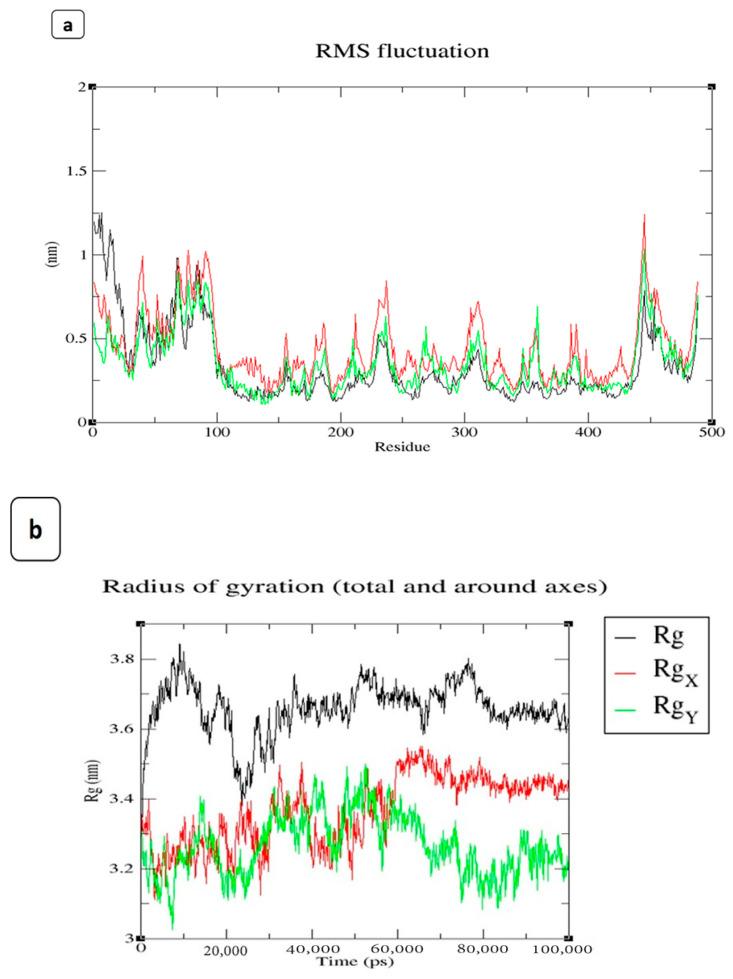
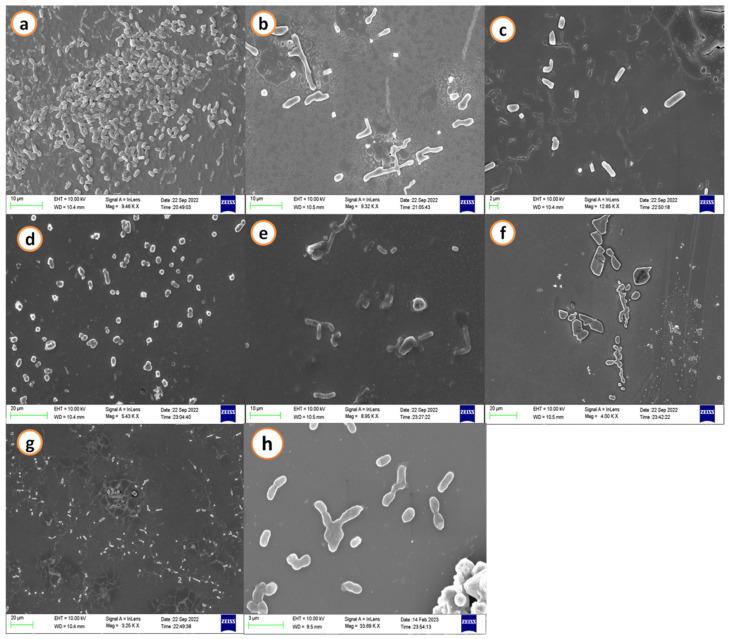
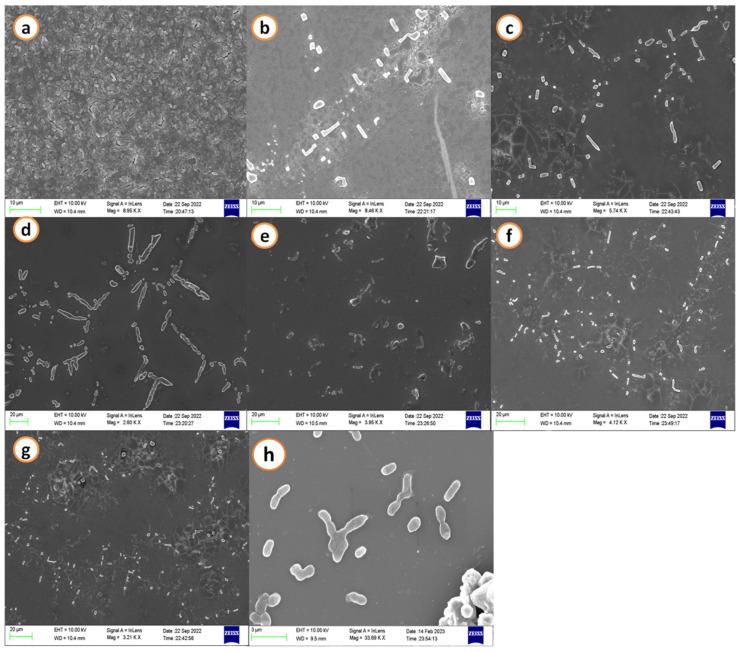
, an opportunistic bacteria, causes several devastating diseases in humans and animals, particularly aquatic species. Antibiotics have been constrained by the rise of antibiotic resistance caused by drug overuse. Therefore, new strategies are required to prevent appropriate antibiotic inability from antibiotic-resistant strains. Aerolysin is essential for pathogenesis and has been proposed as a potential target for inventing drugs with anti-virulence properties. It is a unique method of disease prevention in fish to block the quorum-sensing mechanism of . In SEM analysis, the crude solvent extracts of both groundnut shells and black gram pods exhibited a reduction of aerolysin formation and biofilm matrix formation by blocking the QS in . Morphological changes were identified in the extracts treated bacterial cells. Furthermore, in previous studies, 34 ligands were identified with potential antibacterial metabolites from agricultural wastes, groundnut shells, and black gram pods using a literature survey. Twelve potent metabolites showed interactions between aerolysin and metabolites during molecular docking analysis, in that H-Pyran-4-one-2,3 dihydro-3,5 dihydroxy-6-methyl (-5.3 kcal/mol) and 2-Hexyldecanoic acid (-5.2 kcal/mol) showed promising results with potential hydrogen bond interactions with aerolysin. These metabolites showed a better binding affinity with aerolysin for 100 ns in molecular simulation dynamics. These findings point to a novel strategy for developing drugs using metabolites from agricultural wastes that may be feasible pharmacological solutions for treating infections for the betterment of aquaculture.
[一种机会致病菌]在人类和动物,尤其是水生物种中引发多种毁灭性疾病。抗生素的使用过度导致抗生素耐药性增加,从而限制了抗生素的作用。因此,需要新的策略来防止对抗生素耐药菌株使用抗生素无效。气溶素对发病机制至关重要,并已被提议作为开发具有抗毒力特性药物的潜在靶点。阻断[该菌]的群体感应机制是鱼类疾病预防的一种独特方法。在扫描电子显微镜分析中,花生壳和黑绿豆荚的粗溶剂提取物通过阻断[该菌]的群体感应,减少了气溶素的形成和生物膜基质的形成。在提取物处理过的细菌细胞中发现了形态变化。此外,在先前的研究中,通过文献调查从农业废弃物、花生壳和黑绿豆荚中鉴定出34种具有潜在抗菌代谢物的配体。在分子对接分析中,12种强效代谢物显示出气溶素与代谢物之间的相互作用,其中H-吡喃-4-酮-2,3-二氢-3,5-二羟基-6-甲基(-5.3千卡/摩尔)和2-己基癸酸(-5.2千卡/摩尔)与气溶素具有潜在氢键相互作用,显示出有前景的结果。在分子模拟动力学中,这些代谢物与气溶素在100纳秒内表现出更好的结合亲和力。这些发现指出了一种利用农业废弃物中的代谢物开发药物的新策略,这可能是治疗[该菌感染]以改善水产养殖的可行药理学解决方案。


 Zotero 插件