
解决微塑料难题?采用动态浸出法评估添加剂释放以进行微塑料评估(DyLeMMA)。
Solving a microplastic dilemma? Evaluating additive release with a dynamic leaching method for microplastic assessment (DyLeMMA).
作者信息
Bridson James H, Abbel Robert, Smith Dawn A, Northcott Grant L, Gaw Sally
机构信息
Scion, Titokorangi Drive, Private Bag 3020, Rotorua 3046, New Zealand.
School of Physical and Chemical Sciences, University of Canterbury, Christchurch 8041, New Zealand.
出版信息
MethodsX. 2023 May 19;10:102221. doi: 10.1016/j.mex.2023.102221. eCollection 2023.
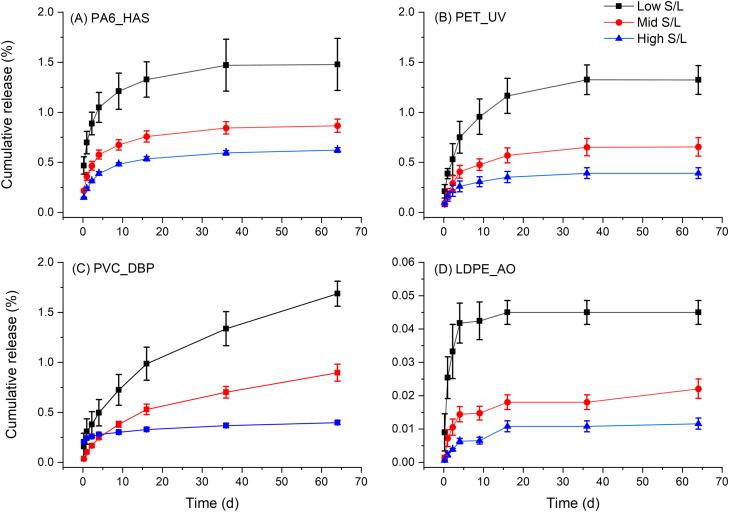
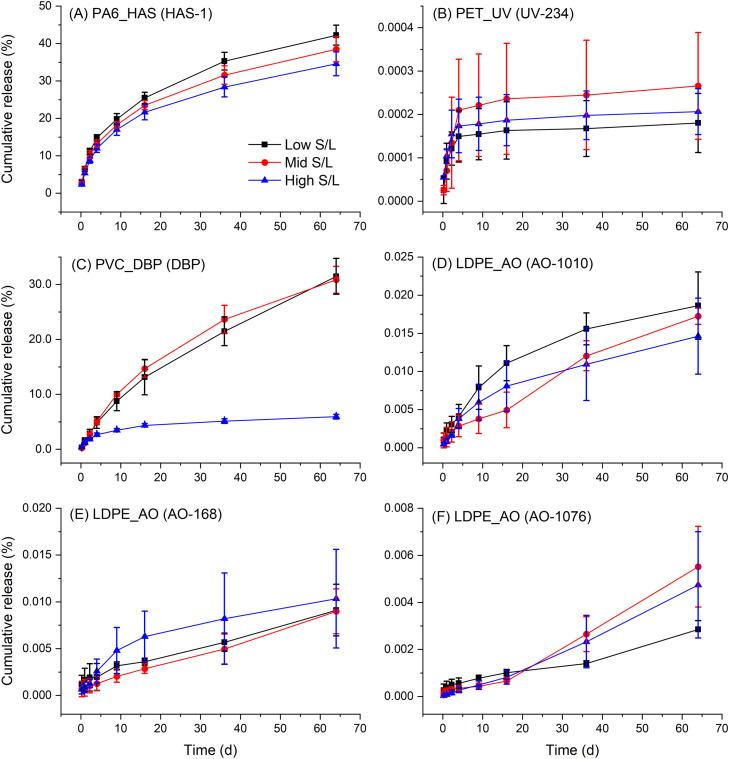
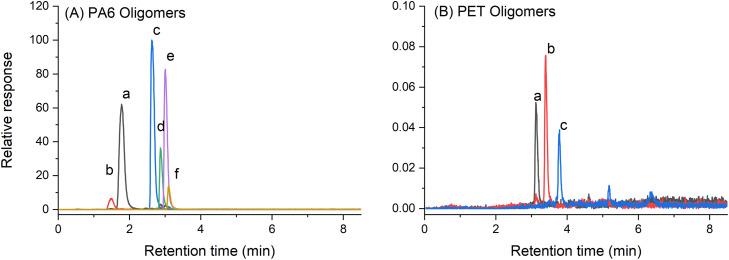
Microplastics and plastic additives are contaminants of emerging environmental concern. Static leaching methods are commonly applied to assess the rate and extent of additive release from microplastics. However, this approach may not be representative of environmental conditions where near infinite dilution or percolation commonly occur. We evaluated three different approaches for assessing additive leaching under environmentally relevant sink conditions, culminating in the refinement and validation of (namic aching ethod for icroplastic ssessment). Analysis was performed using a high-resolution liquid chromatography-mass spectrometry method enabling targeted quantification of additives and screening for non-intentionally added substances. Using four different plastics, sink conditions were maintained over the duration of the test, thereby avoiding solubility limited release and ensuring environmental relevance. Background contamination from ubiquitous additive chemicals was minimised, thereby providing good sensitivity and specificity. Resulting data, in the form of additive release curves, should prove suitable for fitting to release models and derivation of parameters describing additive leaching from microplastics.Key attributes of DyLeMMA:•Environmentally relevant dynamic leaching method for microplastics, demonstrated to maintain sink conditions over the test duration,•Simple, fast, and cost-effective approach without complication of using a solid phase sink,•Provide data suitable for understanding microplastic leaching kinetics and mechanisms.
微塑料和塑料添加剂是新出现的环境关注污染物。静态浸出方法通常用于评估添加剂从微塑料中的释放速率和程度。然而,这种方法可能无法代表通常会发生近乎无限稀释或渗滤的环境条件。我们评估了三种在与环境相关的汇条件下评估添加剂浸出的不同方法,最终完善并验证了(微塑料评估的动态浸出方法)。使用高分辨率液相色谱 - 质谱法进行分析,能够对添加剂进行靶向定量并筛选非有意添加物质。使用四种不同的塑料,在测试过程中保持汇条件,从而避免溶解度限制释放并确保与环境相关。将无处不在的添加剂化学品带来的背景污染降至最低,从而提供良好的灵敏度和特异性。以添加剂释放曲线形式呈现的结果数据应证明适合拟合释放模型并推导描述添加剂从微塑料中浸出的参数。微塑料评估动态浸出方法(DyLeMMA)的关键属性:• 微塑料的与环境相关的动态浸出方法,已证明在测试过程中能保持汇条件,• 简单、快速且经济高效的方法,无需使用固相汇的复杂操作,• 提供适合理解微塑料浸出动力学和机制的数据。

 Zotero 插件