
水稻种植和微生物群落成员对稻米中砷积累的影响。
The Effects of Paddy Cultivation and Microbiota Members on Arsenic Accumulation in Rice Grain.
作者信息
Ersoy Omeroglu Esra, Bayer Asli, Sudagidan Mert, Ozalp Veli Cengiz, Yasa Ihsan
机构信息
Basic and Industrial Microbiology Section, Biology Department, Faculty of Science, Ege University, Bornova, 35100 Izmir, Türkiye.
Department of Medical Biology, Medical School, Atilim University, 06830 Ankara, Türkiye.
出版信息
Foods. 2023 May 26;12(11):2155. doi: 10.3390/foods12112155.
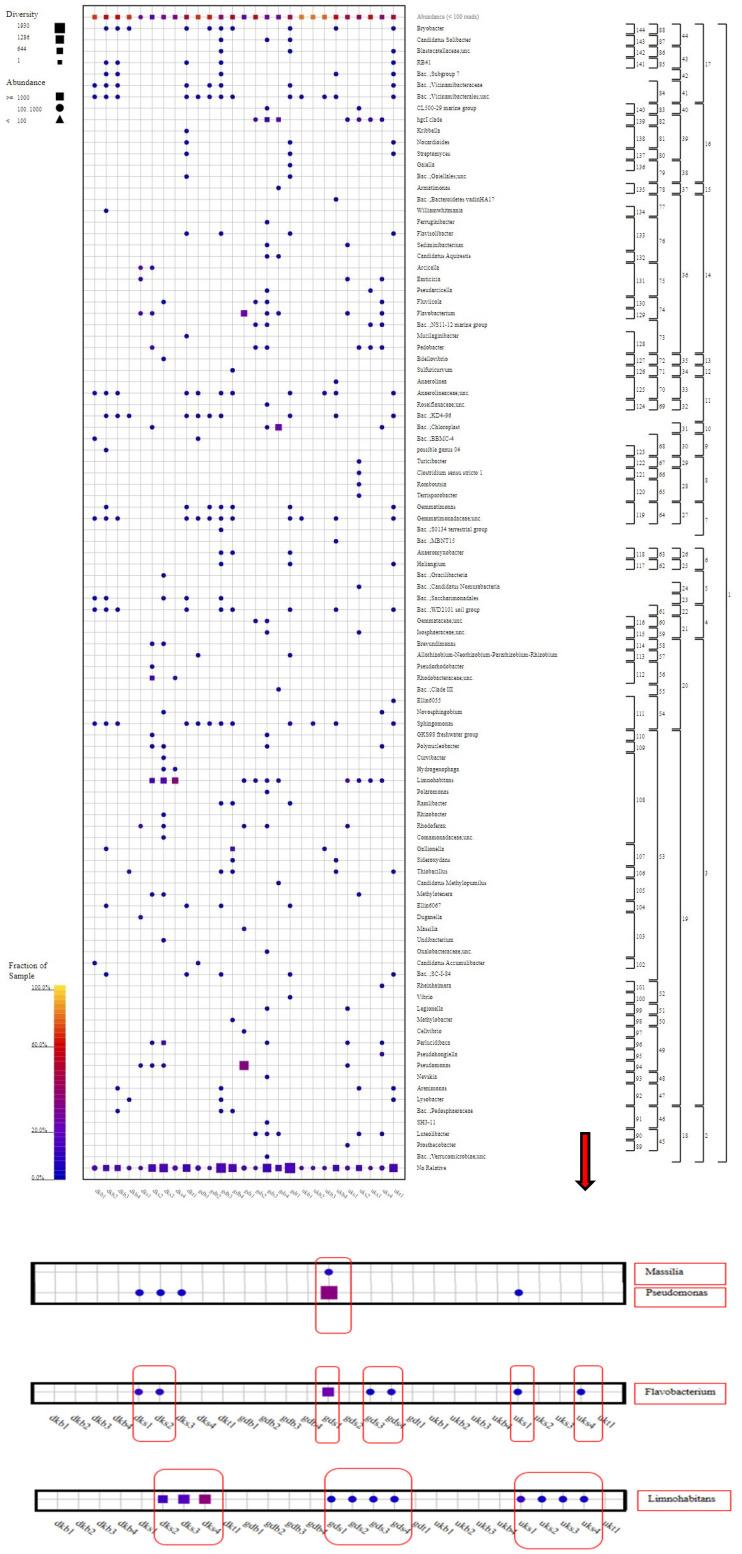
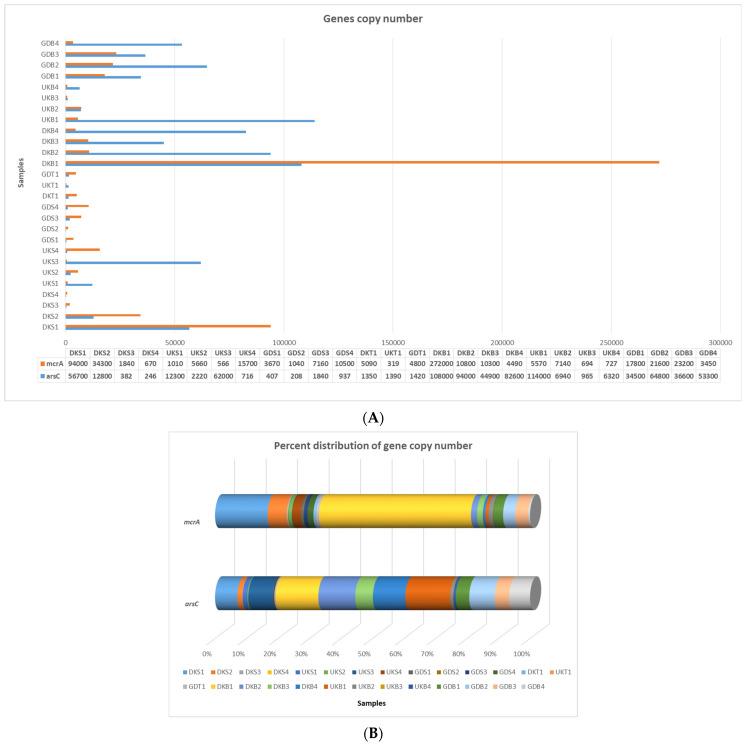
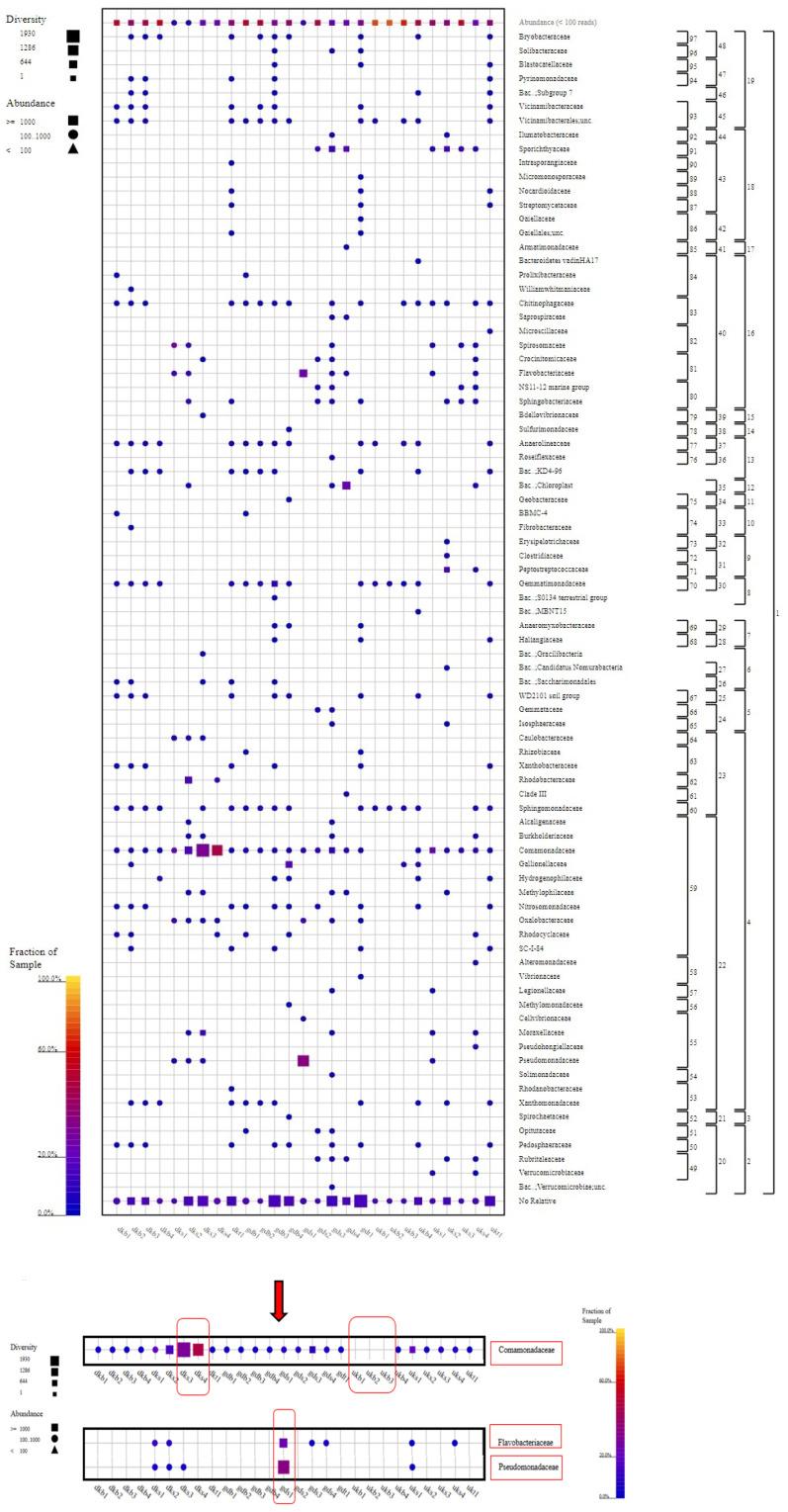
Access to safe food is one of the most important issues. In this context, rice plays a prominent role. Because high levels of arsenic in rice grain are a potential concern for human health, in this study, we determined the amounts of arsenic in water and soil used in the rice development stage, changes in the and genes using qRT-PCR, and the abundance and diversity (with metabarcoding) of the dominant microbiota. When the rice grain and husk samples were evaluated in terms of arsenic accumulation, the highest values (1.62 ppm) were obtained from areas where groundwater was used as irrigation water, whereas the lowest values (0.21 ppm) occurred in samples from the stream. It was observed that the abundance of the Comamonadaceae family and genus members was at the highest level in groundwater during grain formation. As rice development progressed, arsenic accumulated in the roots, shoots, and rice grain. Although the highest values were reached in the field where groundwater was used, methane production increased in areas where surface water sources were used. In order to provide arsenic-free rice consumption, the preferred soil, water source, microbiota members, rice type, and anthropogenic inputs for use on agricultural land should be evaluated rigorously.
获取安全食品是最重要的问题之一。在此背景下,水稻起着突出作用。由于稻谷中高含量的砷对人类健康构成潜在威胁,在本研究中,我们测定了水稻生长阶段所用的水和土壤中的砷含量,通过qRT-PCR检测了相关基因的变化,以及优势微生物群的丰度和多样性(采用宏条形码技术)。在评估稻谷和稻壳样本中的砷积累情况时,以地下水作为灌溉水源的地区所采集样本的砷含量最高(1.62 ppm),而取自溪流的样本砷含量最低(0.21 ppm)。观察发现,在籽粒形成期,地下水中丛毛单胞菌科和某属成员的丰度处于最高水平。随着水稻生长,砷在根、茎和稻谷中积累。虽然使用地下水的田块砷含量最高,但使用地表水的地区甲烷产量增加。为了实现无砷大米消费,应严格评估农业用地使用的首选土壤、水源、微生物群成员、水稻品种和人为投入。



 Zotero 插件