
前列腺疾病中慢性炎症的分子基础及临床后果:前列腺炎、良性前列腺增生和前列腺癌。
The Molecular Basis and Clinical Consequences of Chronic Inflammation in Prostatic Diseases: Prostatitis, Benign Prostatic Hyperplasia, and Prostate Cancer.
作者信息
Oseni Saheed Oluwasina, Naar Corey, Pavlović Mirjana, Asghar Waseem, Hartmann James X, Fields Gregg B, Esiobu Nwadiuto, Kumi-Diaka James
机构信息
Department of Biological Sciences, Florida Atlantic University, Boca Raton, FL 33431, USA.
H. Lee Moffitt Cancer Center and Research Institute, Tampa, FL 33612, USA.
出版信息
Cancers (Basel). 2023 Jun 8;15(12):3110. doi: 10.3390/cancers15123110.
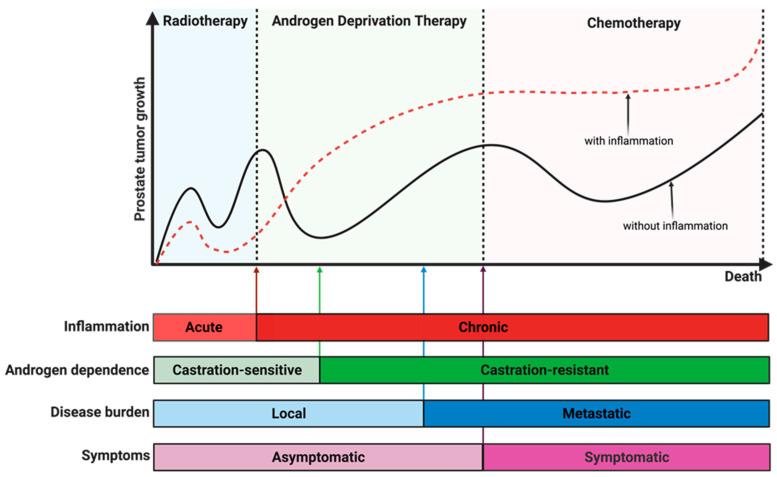
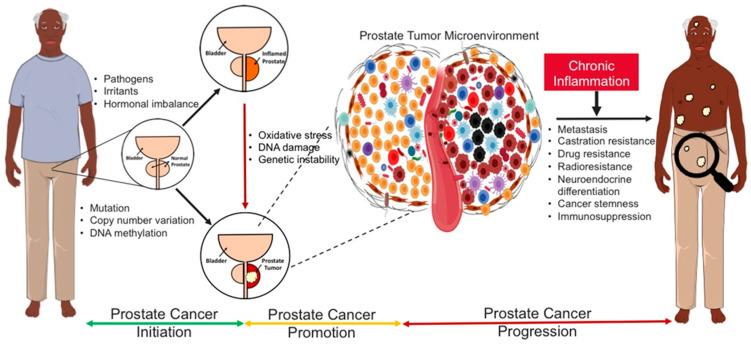
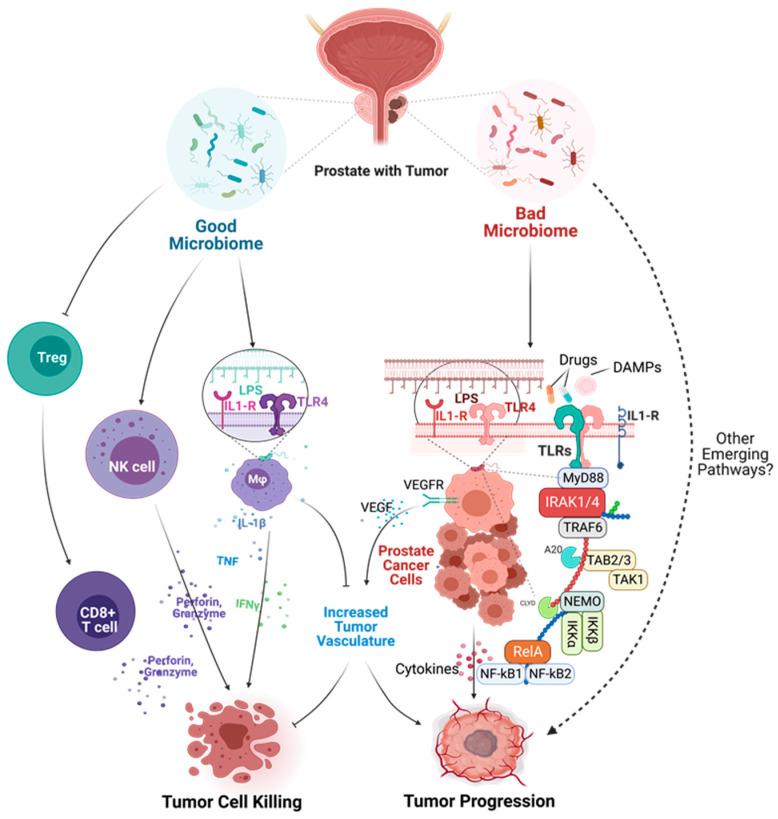
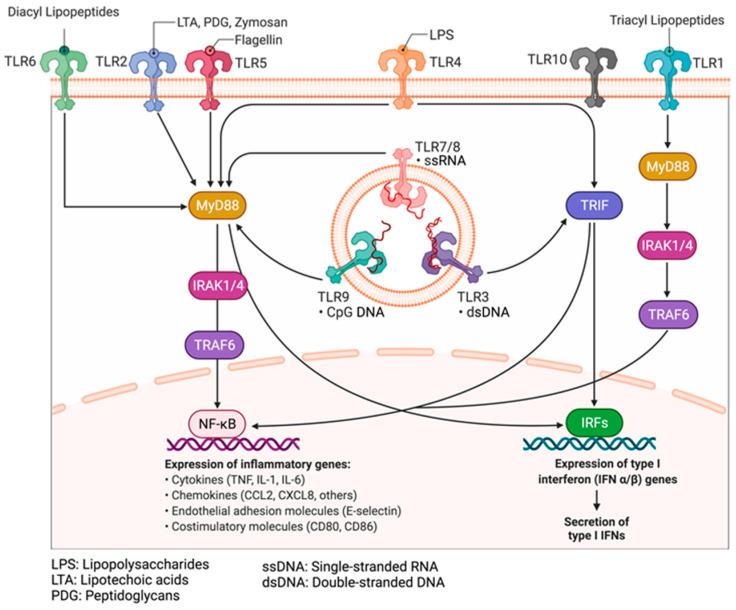
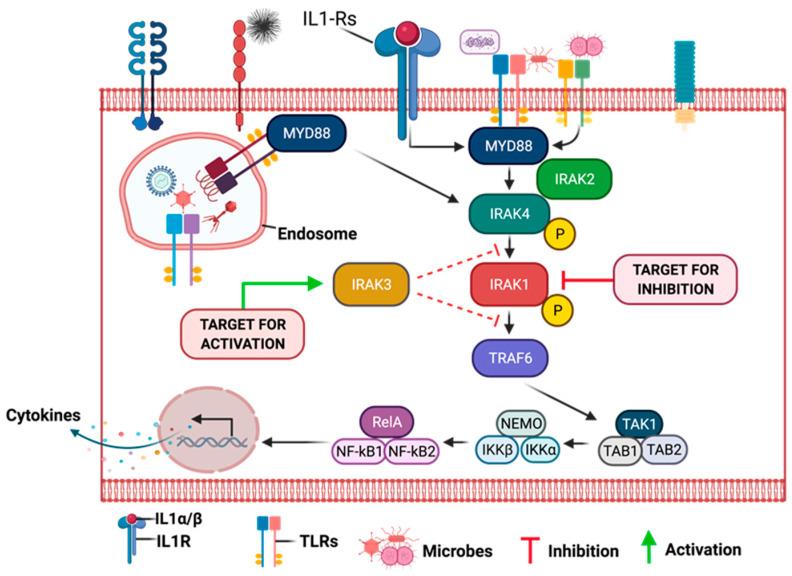
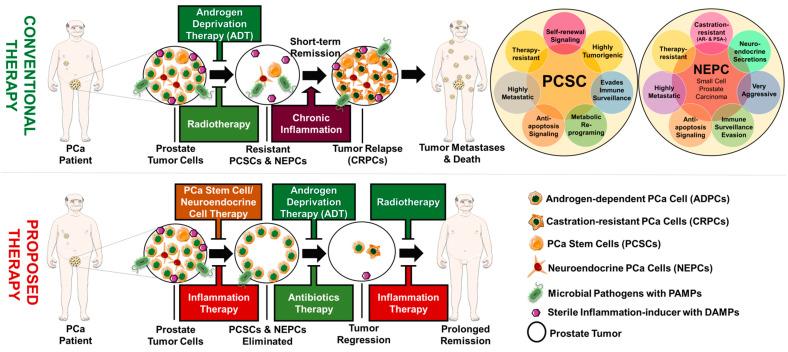
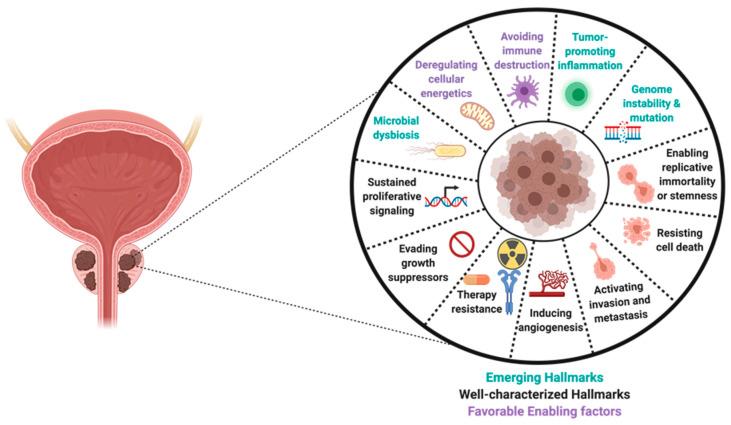
Chronic inflammation is now recognized as one of the major risk factors and molecular hallmarks of chronic prostatitis, benign prostatic hyperplasia (BPH), and prostate tumorigenesis. However, the molecular mechanisms by which chronic inflammation signaling contributes to the pathogenesis of these prostate diseases are poorly understood. Previous efforts to therapeutically target the upstream (e.g., TLRs and IL1-Rs) and downstream (e.g., NF-κB subunits and cytokines) inflammatory signaling molecules in people with these conditions have been clinically ambiguous and unsatisfactory, hence fostering the recent paradigm shift towards unraveling and understanding the functional roles and clinical significance of the novel and relatively underexplored inflammatory molecules and pathways that could become potential therapeutic targets in managing prostatic diseases. In this review article, we exclusively discuss the causal and molecular drivers of prostatitis, BPH, and prostate tumorigenesis, as well as the potential impacts of microbiome dysbiosis and chronic inflammation in promoting prostate pathologies. We specifically focus on the importance of some of the underexplored druggable inflammatory molecules, by discussing how their aberrant signaling could promote prostate cancer (PCa) stemness, neuroendocrine differentiation, castration resistance, metabolic reprogramming, and immunosuppression. The potential contribution of the IL1R-TLR-IRAK-NF-κBs signaling molecules and NLR/inflammasomes in prostate pathologies, as well as the prospective benefits of selectively targeting the midstream molecules in the various inflammatory cascades, are also discussed. Though this review concentrates more on PCa, we envision that the information could be applied to other prostate diseases. In conclusion, we have underlined the molecular mechanisms and signaling pathways that may need to be targeted and/or further investigated to better understand the association between chronic inflammation and prostate diseases.
慢性炎症现已被公认为是慢性前列腺炎、良性前列腺增生(BPH)和前列腺肿瘤发生的主要危险因素和分子标志之一。然而,慢性炎症信号传导促成这些前列腺疾病发病机制的分子机制却鲜为人知。此前针对患有这些疾病的人群,在治疗上靶向作用于上游(如Toll样受体和白细胞介素1受体)和下游(如核因子κB亚基和细胞因子)炎症信号分子的努力,在临床上一直含糊不清且不尽人意,因此促使了近期的范式转变,即转向揭示和理解那些可能成为管理前列腺疾病潜在治疗靶点的新型且相对未被充分探索的炎症分子及信号通路的功能作用和临床意义。在这篇综述文章中,我们专门讨论前列腺炎、BPH和前列腺肿瘤发生的因果及分子驱动因素,以及微生物群失调和慢性炎症在促进前列腺病理过程中的潜在影响。我们特别关注一些未被充分探索的可成药炎症分子的重要性,通过讨论它们的异常信号传导如何促进前列腺癌(PCa)干性、神经内分泌分化、去势抵抗、代谢重编程和免疫抑制。还讨论了白细胞介素1受体 - Toll样受体 - 白细胞介素 - 1受体相关激酶 - 核因子κB信号分子和NLR/炎性小体在前列腺病理中的潜在作用,以及选择性靶向各种炎症级联反应中的中游分子的预期益处。尽管这篇综述更多地集中在PCa上,但我们设想这些信息可应用于其他前列腺疾病。总之,我们强调了可能需要靶向和/或进一步研究的分子机制和信号通路,以更好地理解慢性炎症与前列腺疾病之间的关联。




 Zotero 插件