
人细胞色素 CYP4F11 的翻译后修饰被 4-羟基壬烯醛损害在疟原虫色素血卟啉喂养的单核细胞中的 ω-羟化作用:在疟疾免疫抑制中的作用。
Posttranslational Modification of Human Cytochrome CYP4F11 by 4-Hydroxynonenal Impairs ω-Hydroxylation in Malaria Pigment Hemozoin-Fed Monocytes: The Role in Malaria Immunosuppression.
机构信息
Department of Life Sciences and Systems Biology, University of Torino, 10123 Torino, Italy.
Department of Oncology, University of Torino, 10126 Torino, Italy.
出版信息
Int J Mol Sci. 2023 Jun 16;24(12):10232. doi: 10.3390/ijms241210232.
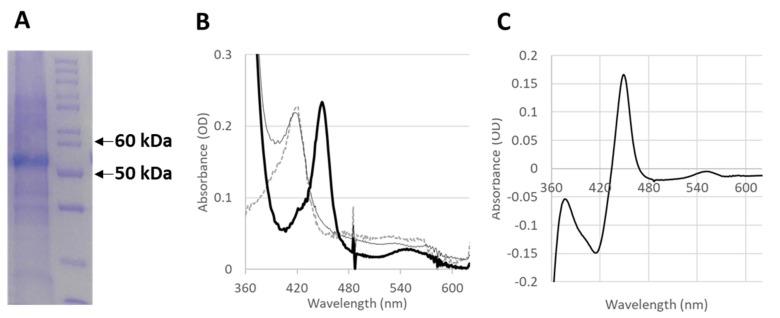
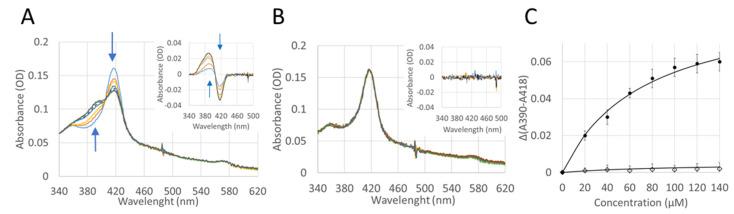
Malaria is a frequent parasitic infection becomes life threatening due to the disequilibrated immune responses of the host. Avid phagocytosis of malarial pigment hemozoin (HZ) and HZ-containing Plasmodium parasites incapacitates monocyte functions by bioactive lipoperoxidation products 4-hydroxynonenal (4-HNE) and hydroxyeicosatetraenoic acids (HETEs). CYP4F conjugation with 4-HNE is hypothesised to inhibit ω-hydroxylation of 15-HETE, leading to sustained monocyte dysfunction caused by 15-HETE accumulation. A combined immunochemical and mass-spectrometric approach identified 4-HNE-conjugated CYP4F11 in primary human HZ-laden and 4-HNE-treated monocytes. Six distinct 4-HNE-modified amino acid residues were revealed, of which C260 and H261 are localized in the substrate recognition site of CYP4F11. Functional consequences of enzyme modification were investigated on purified human CYP4F11. Palmitic acid, arachidonic acid, 12-HETE, and 15-HETE bound to unconjugated CYP4F11 with apparent dissociation constants of 52, 98, 38, and 73 µM, respectively, while in vitro conjugation with 4-HNE completely blocked substrate binding and enzymatic activity of CYP4F11. Gas chromatographic product profiles confirmed that unmodified CYP4F11 catalysed the ω-hydroxylation while 4-HNE-conjugated CYP4F11 did not. The 15-HETE dose dependently recapitulated the inhibition of the oxidative burst and dendritic cell differentiation by HZ. The inhibition of CYP4F11 by 4-HNE with consequent accumulation of 15-HETE is supposed to be a crucial step in immune suppression in monocytes and immune imbalance in malaria.
疟疾是一种常见的寄生虫感染,如果宿主的免疫反应失衡,可能会变得危及生命。疟原虫吞噬疟色素血褐素(HZ)和含有 HZ 的寄生虫,会通过生物活性脂质过氧化物产物 4-羟基壬烯醛(4-HNE)和羟二十碳四烯酸(HETEs)使单核细胞功能丧失。假设 CYP4F 与 4-HNE 的结合会抑制 15-HETE 的ω-羟化,导致 15-HETE 积累引起单核细胞持续功能障碍。一种联合免疫化学和质谱方法在原代人类 HZ 负荷和 4-HNE 处理的单核细胞中鉴定出了与 4-HNE 结合的 CYP4F11。揭示了六个不同的 4-HNE 修饰氨基酸残基,其中 C260 和 H261 位于 CYP4F11 的底物识别位点。在纯化的人 CYP4F11 上研究了酶修饰的功能后果。棕榈酸、花生四烯酸、12-HETE 和 15-HETE 与未结合的 CYP4F11 的结合表观解离常数分别为 52、98、38 和 73µM,而与 4-HNE 的体外结合完全阻断了 CYP4F11 的底物结合和酶活性。气相色谱产物图谱证实,未经修饰的 CYP4F11 催化ω-羟化,而 4-HNE 结合的 CYP4F11 则不催化。15-HETE 剂量依赖性地再现了 HZ 对氧化爆发和树突状细胞分化的抑制。CYP4F11 被 4-HNE 抑制,导致 15-HETE 积累,这被认为是单核细胞免疫抑制和疟疾免疫失衡的关键步骤。





 Zotero 插件