
囚犯中新冠病毒疫苗接种状况以及与新冠病毒疫苗接受度和犹豫态度相关的因素及影响
COVID-19 Vaccination Status as Well as Factors Associated with COVID-19 Vaccine Acceptance and Hesitancy among Prisoners and the Implications.
作者信息
Shabir Alina, Alkubaisi Noorah A, Shafiq Amna, Salman Muhammad, Baraka Mohamed A, Mustafa Zia Ul, Khan Yusra Habib, Malhi Tauqeer Hussain, Meyer Johanna C, Godman Brian
机构信息
Department of Medicines, Tehsil Headquarter (THQ) Hospital, Dera Ghazi Khan 32200, Pakistan.
Department of Botany and Microbiology, College of Science, King Saud University, Riyadh 11451, Saudi Arabia.
出版信息
Vaccines (Basel). 2023 Jun 9;11(6):1081. doi: 10.3390/vaccines11061081.
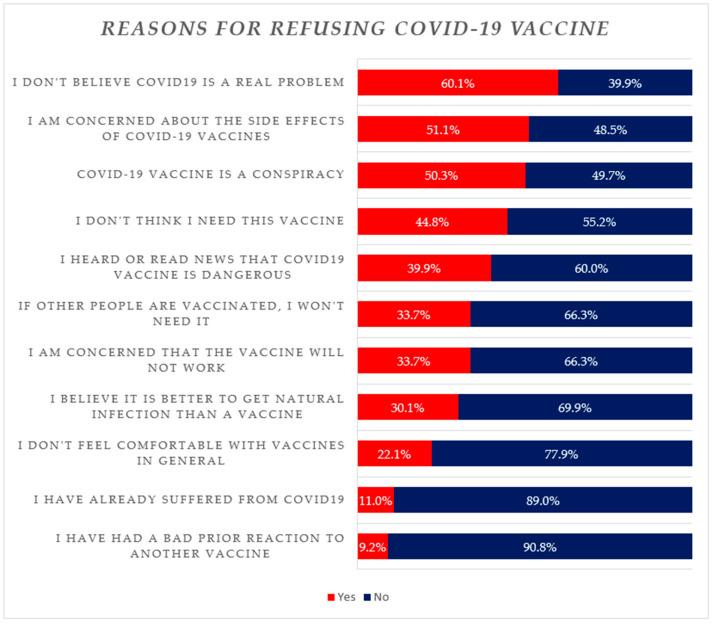
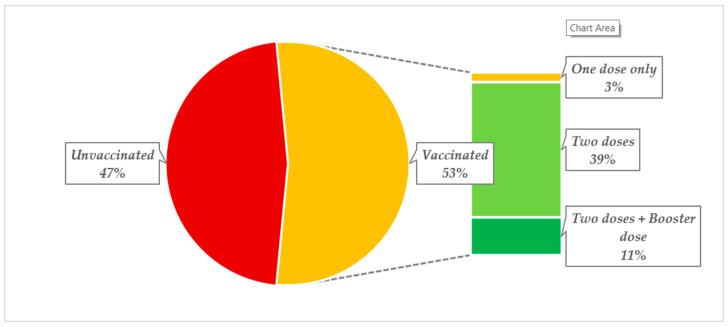
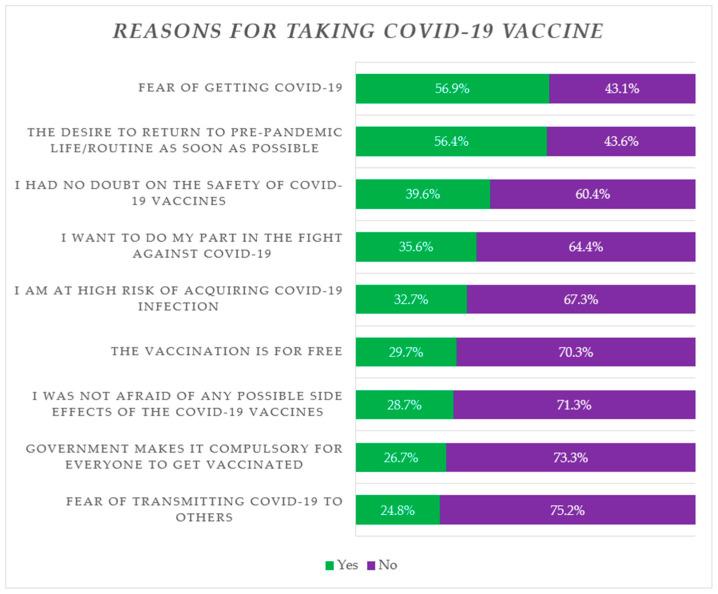
Prisoners form a population who are highly vulnerable to COVID-19 due to overcrowding, limited movement, and a poor living environment. Consequently, there is a need to ascertain the status of COVID-19 vaccination and factors associated with hesitancy among prisoners. A cross-sectional questionnaire-based study was undertaken among prisoners at three district jails in Punjab Province, Pakistan. A total of 381 prisoners participated and none of the study participants had received an influenza vaccine this year. In total, 53% received at least one dose of a COVID-19 vaccine, with the majority having two doses. The top three reasons of vaccine acceptance were "fear of contracting SARS-CoV-2 infection" (56.9%), "desire to return to a pre-pandemic routine as soon as possible" (56.4%), and "having no doubts on the safety of COVID-19 vaccines" (39.6%). There was no statistically significant difference ( > 0.05) in any demographic variables between vaccinated and unvaccinated prisoners except for age, which was strongly association with COVID-19 vaccine uptake (χ(3) = 76.645, < 0.001, Cramer's V = 0.457). Among the unvaccinated prisoners ( = 179), only 16 subsequently showed willingness to receive a COVID-19 vaccine. The top three reasons for hesitancy were: COVID-19 is not a real problem/disease (60.1%), safety concerns (51.1%), and COVID-19 vaccine is a conspiracy (50.3%). Efforts are needed to address their concerns given this population's risks and high hesitancy rates, especially among younger prisoners.
由于过度拥挤、行动受限和生活环境恶劣,囚犯群体极易感染新冠病毒。因此,有必要确定囚犯群体中新冠疫苗接种的状况以及与接种犹豫相关的因素。在巴基斯坦旁遮普省的三个地区监狱对囚犯进行了一项基于问卷调查的横断面研究。共有381名囚犯参与,且所有研究参与者今年均未接种流感疫苗。总体而言,53%的囚犯至少接种了一剂新冠疫苗,大多数人接种了两剂。接受疫苗接种的前三大原因是“担心感染新冠病毒”(56.9%)、“希望尽快恢复到疫情前的生活”(56.4%)以及“对新冠疫苗的安全性没有疑虑”(39.6%)。除年龄外,接种疫苗和未接种疫苗的囚犯在任何人口统计学变量上均无统计学显著差异(>0.05),年龄与新冠疫苗接种率密切相关(χ(3)=76.645,<0.001,克莱姆系数V=0.457)。在未接种疫苗的囚犯(n=179)中,只有16人随后表示愿意接种新冠疫苗。犹豫接种的前三大原因是:新冠病毒不是真正的问题/疾病(60.1%)、对安全性的担忧(51.1%)以及新冠疫苗是一个阴谋(50.3%)。鉴于该群体面临的风险和较高的犹豫率,尤其是年轻囚犯中的犹豫率,需要努力解决他们的担忧。
 Zotero 插件