
种子中的半纯化水醇提取物会导致麦角固醇生物合成受到抑制,进而造成细胞膜损伤。
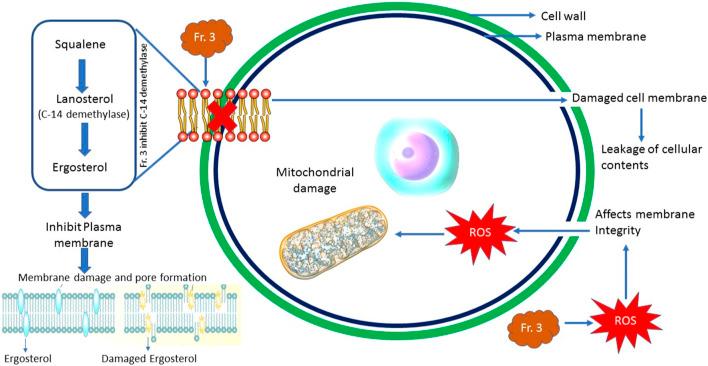
A semi purified hydroalcoholic fraction from seeds causes ergosterol biosynthesis inhibition in resulting in cell membrane damage.
作者信息
Sasidharan Shan, Nishanth Kumar S, Nair Hareendran J
机构信息
1Department of R&D, Pankajakasthuri Herbal Research Foundation, Pankajakasthuri Ayurveda Medical College Campus, Trivandrum, Kerala, India.
2Department of R&D, Pankajakasthuri Herbals India Pvt Ltd., Pankajakasthuri Ayurveda Medical College Campus, Trivandrum, Kerala, India.
出版信息
Front Pharmacol. 2023 Jun 12;14:1189241. doi: 10.3389/fphar.2023.1189241. eCollection 2023.
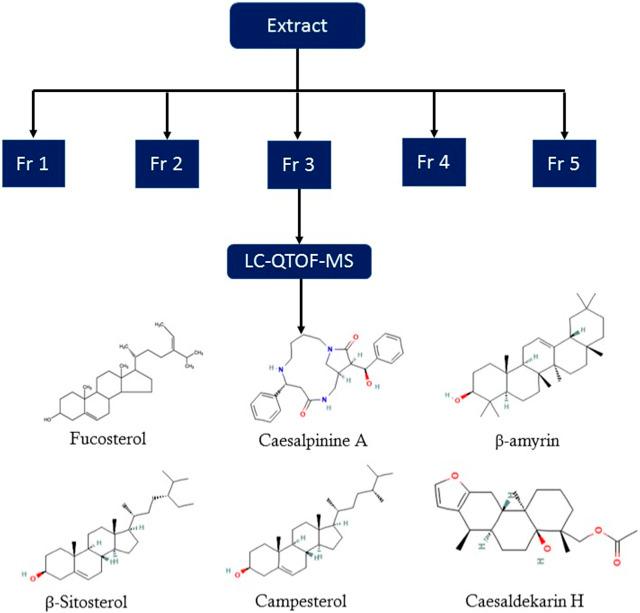
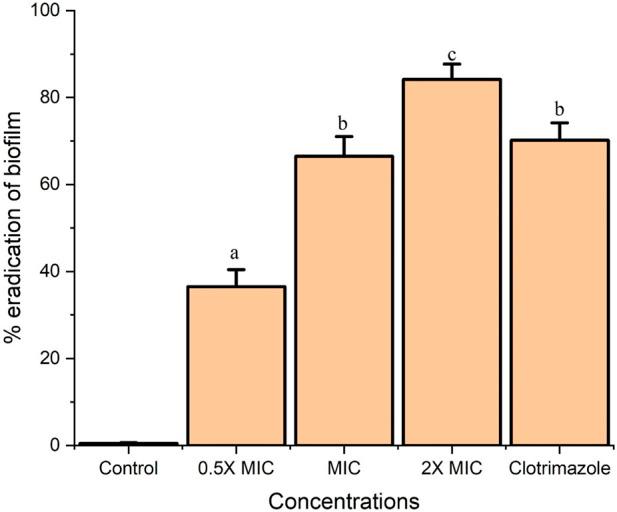
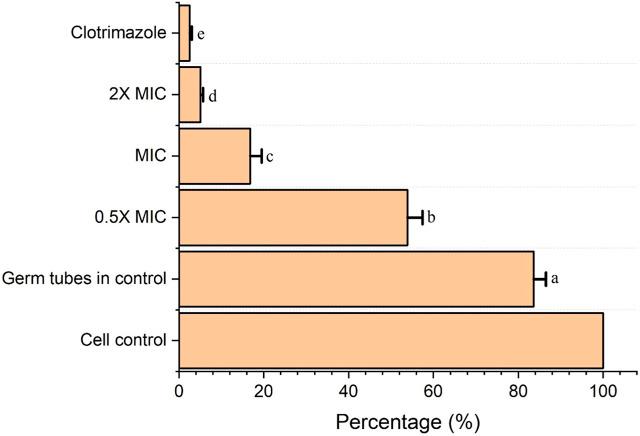
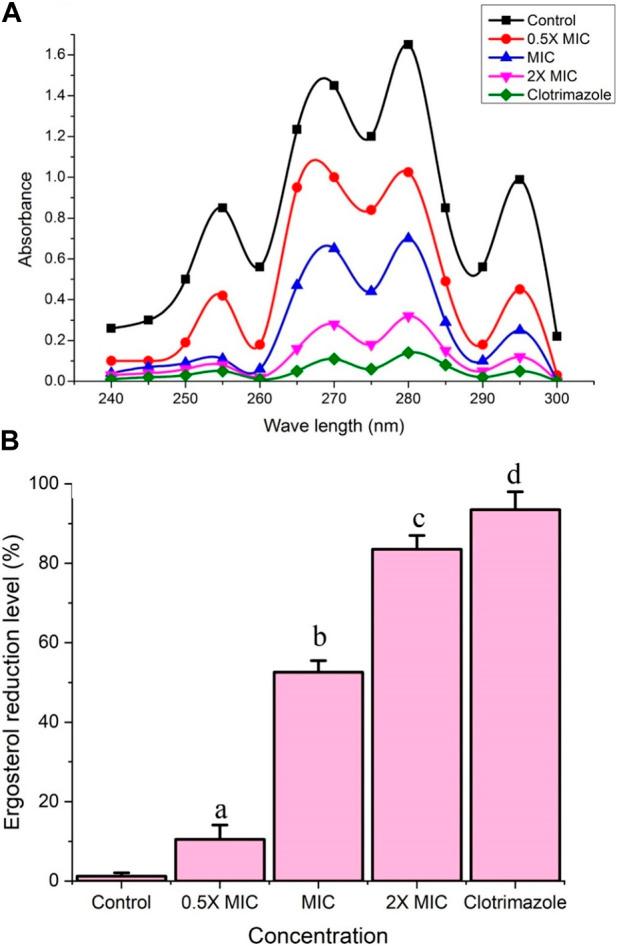
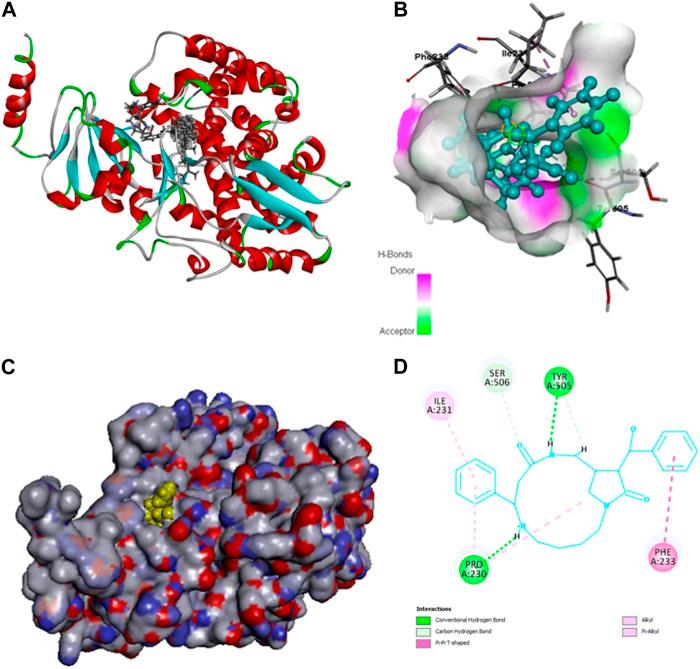
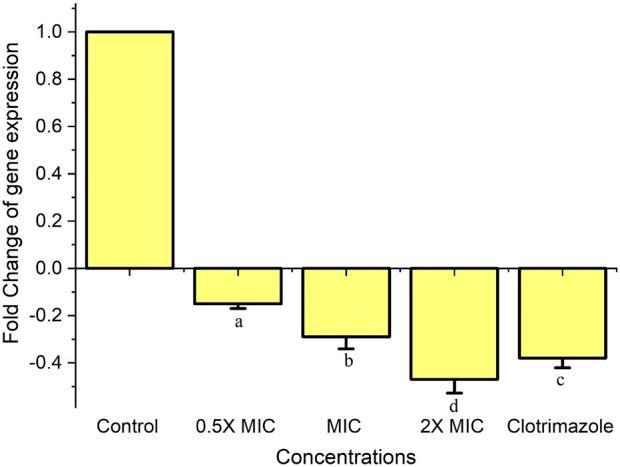
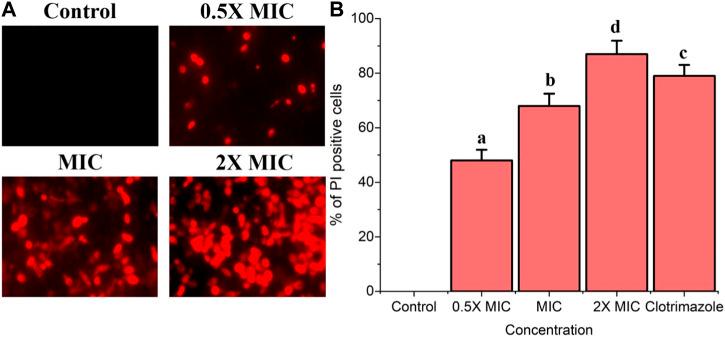
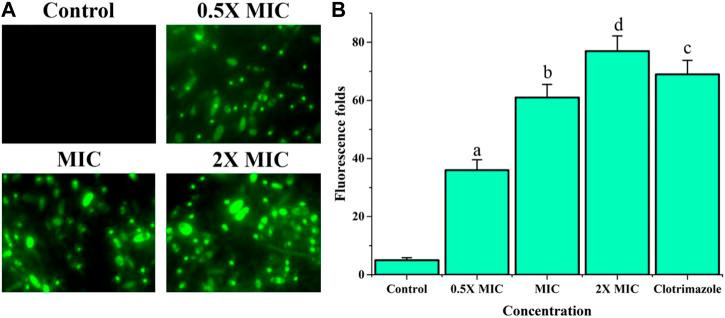
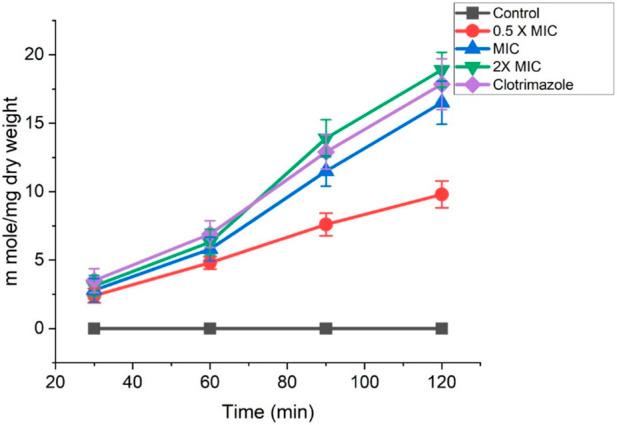
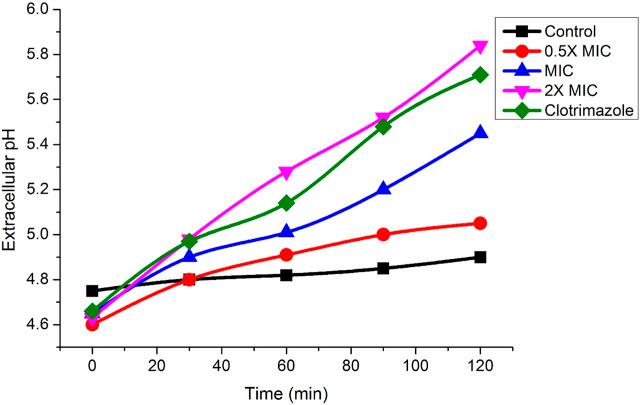
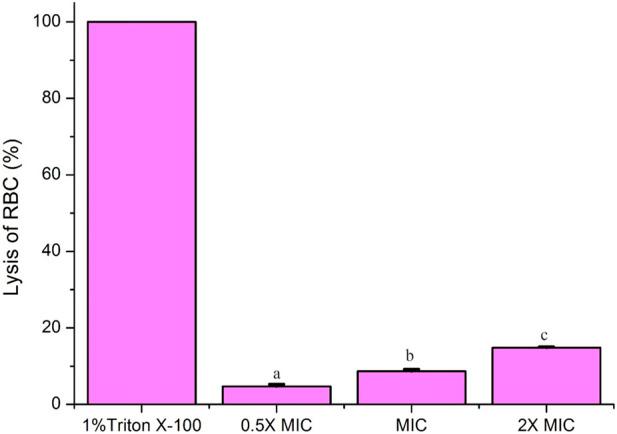
species are currently developing resistance to prevailing commercially available drugs, which raises an instantaneous need to discover novel antifungals. To cope with this shocking situation, phytochemicals are the richest, safest, and most potent source of excellent antimicrobials with broad-spectrum activity. The aim of the current study is to explore the anticandidal potential of the various fractions purified from the hydroalcoholic extract of seed. Out of five fractions purified from the hydroalcoholic extract, fraction 3 (Fr. 3) recorded the best activity against (8 μg/mL) and thus this species was chosen for further mechanism of action studies. The phytochemical examination reveals that Fr. 3 was found to contain steroids and triterpenoids. This was further supported by LC-QTOF-MS and GCMS analyses. Our findings show that Fr. 3 targets the ergosterol biosynthesis pathway in by inhibiting the lanosterol 14-α demethylase enzyme and downregulating expression of its related gene ERG11. Molecular docking outcomes disclosed favorable structural dynamics of the compounds, implying that the compounds present in Fr. 3 would be able to successfully bind to the lanosterol 14-α demethylase, as evidenced by the docked compounds' strong interaction with the target enzyme's amino acid residues. Considering virulence factors, the Fr. 3 recorded significant antibiofilm activity as well as germ-tube reduction potential. Furthermore, Fr. 3 enhances the production of intracellular reactive oxygen species (ROS). This suggests that the antifungal activity of Fr. 3 was associated with membrane damage and the induction of ROS production, resulting in cell death. Fluorescence microscopic analysis of PI stained further showed changes in the plasma membrane permeability, which causes severe loss of intracellular material and osmotic balance. This was demonstrated by the potassium ion leakage and release of genetic materials. Finally, the erythrocyte lysis assay confirmed the low cytotoxicity of Fr. 3. Both and results suggest that Fr. 3 has the potential to propel forward novel antifungal drug discovery programmes.
目前,多种真菌正在对现有的市售药物产生耐药性,这使得迫切需要发现新型抗真菌药物。为应对这一严峻形势,植物化学物质是最丰富、最安全且最具潜力的优质抗菌剂来源,具有广谱活性。本研究的目的是探索从种子水醇提取物中纯化得到的各种馏分的抗念珠菌潜力。从水醇提取物中纯化得到的五个馏分中,馏分3(Fr. 3)对白色念珠菌表现出最佳活性(8 μg/mL),因此选择该馏分进行进一步的作用机制研究。植物化学分析表明,Fr. 3含有甾体和三萜类化合物。液相色谱-四极杆飞行时间质谱(LC-QTOF-MS)和气相色谱-质谱联用(GCMS)分析进一步证实了这一点。我们的研究结果表明,Fr. 3通过抑制羊毛甾醇14-α脱甲基酶并下调其相关基因ERG11的表达,靶向白色念珠菌的麦角甾醇生物合成途径。分子对接结果揭示了化合物有利的结构动力学,这意味着Fr. 3中存在的化合物能够成功结合到羊毛甾醇14-α脱甲基酶上,对接化合物与靶酶氨基酸残基的强相互作用证明了这一点。考虑到毒力因子,Fr. 3表现出显著的抗生物膜活性以及降低芽管形成的潜力。此外,Fr. 3可增强细胞内活性氧(ROS)的产生。这表明Fr. 3的抗真菌活性与膜损伤和ROS产生的诱导有关,从而导致细胞死亡。碘化丙啶(PI)染色的白色念珠菌的荧光显微镜分析进一步显示了质膜通透性的变化,这导致细胞内物质严重损失和渗透平衡破坏。钾离子泄漏和遗传物质释放证明了这一点。最后,红细胞裂解试验证实了Fr. 3的低细胞毒性。体外和体内结果均表明,Fr. 3有潜力推动新型抗真菌药物发现计划的进展。


 Zotero 插件