
通过标本混合提高 SARS-CoV-2 检测能力:急症护理中心的经验。
Increasing SARS-CoV-2 testing capacity through specimen pooling: An acute care center experience.
机构信息
Pathology and Laboratory Medicine Department, London Health Sciences Centre, London, Ontario, Canada.
Pathology and Laboratory Medicine Department, Schulich School of Medicine and Dentistry, Western University, London, Ontario, Canada.
出版信息
PLoS One. 2023 Jun 28;18(6):e0267137. doi: 10.1371/journal.pone.0267137. eCollection 2023.
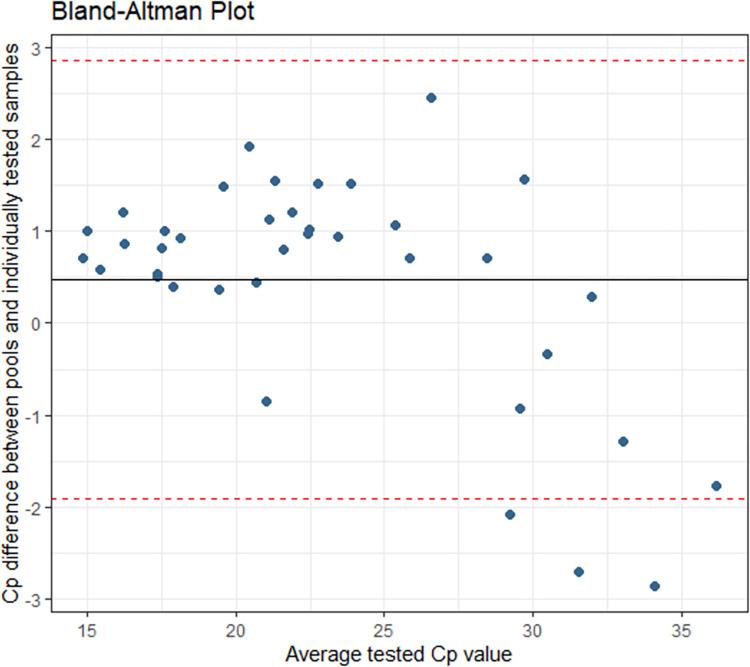
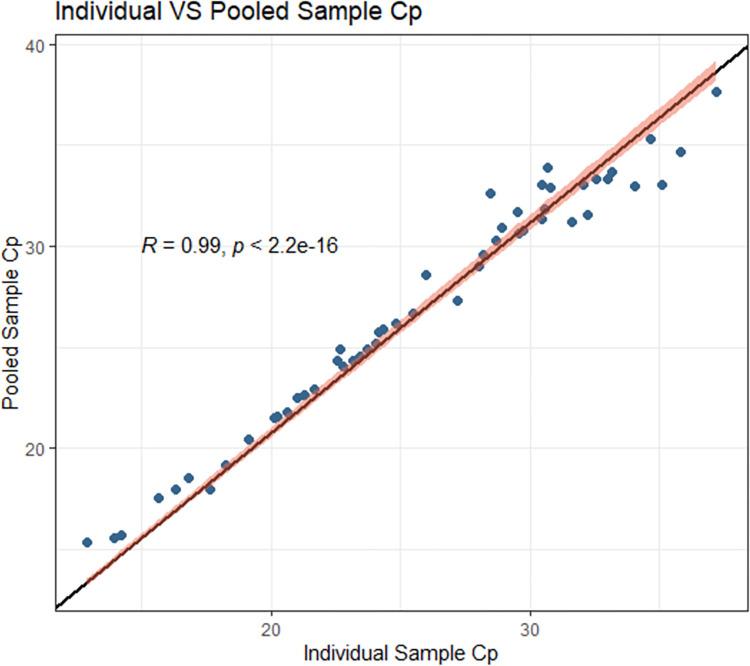
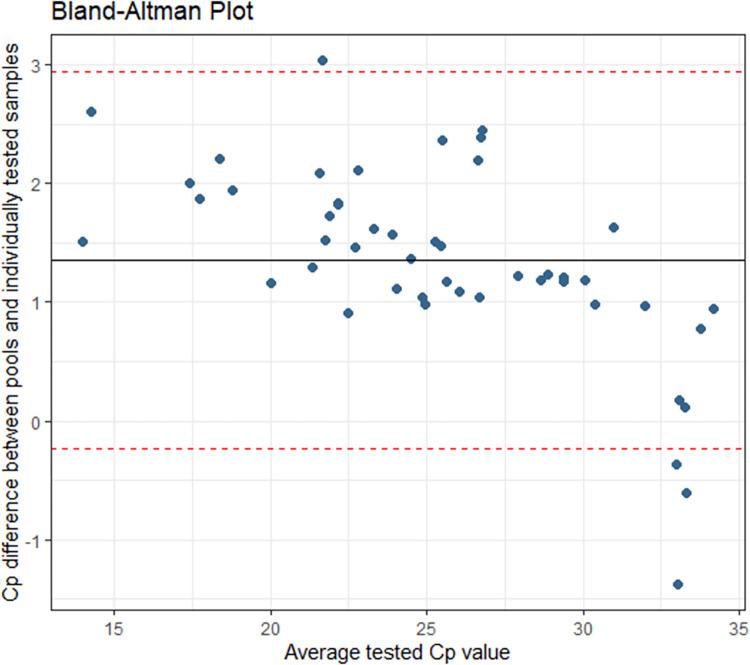
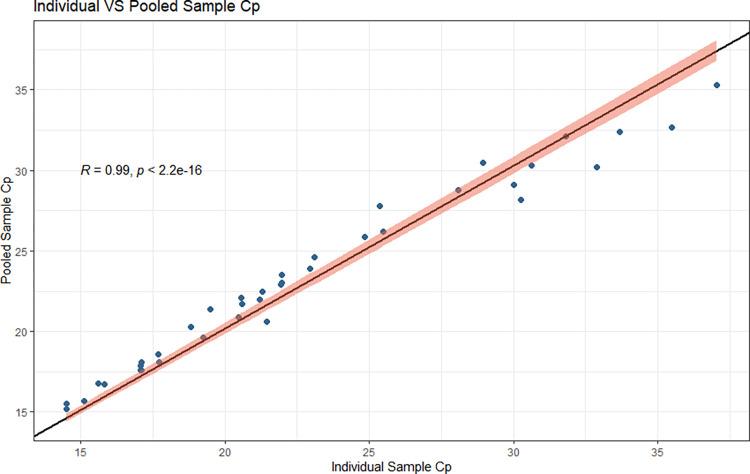
Innovation in laboratory testing algorithms to address seemingly uncontrollable global supply chain shortages in plastics and other consumables during emergencies such as the current COVID-19 pandemic have been urgently needed. We report our experience with specimen pooling on SARS-CoV-2 testing in an acute care hospital microbiology laboratory during a high testing demand period that exceeded available processing capacity. A fully automated four-in-one pooling algorithm was designed and validated. Correlation and agreement were calculated. A custom Microsoft Excel tool was designed for use by the technologists to aid interpretation, verification and result entry. Cost-per-test impact for pooling was measured in reference to the consumable cost and was denoted as the percentage reduction of cost versus the baseline cost-per-test of testing specimens individually. Validation showed a strong correlation between the signals observed when testing specimens individually versus those that were pooled. Average crossing point difference was 1.352 cycles (95% confidence interval of -0.235 and 2.940). Overall agreement observed between individually and pooled tested specimens was 96.8%. Stratified agreement showed an expected decreased performance of pooling for weakly positive specimens dropping below 60% after a crossing point of 35. Post-implementation data showed the consumable cost-savings achieved through this algorithm was 85.5% after 8 months, creating both testing and resource capacity. Pooling is an effective method to be used for SARS-CoV-2 testing during the current pandemic to address resource shortages and provide quick turnaround times for high test volumes without compromising performance.
在紧急情况下,如当前的 COVID-19 大流行,需要创新实验室检测算法,以解决塑料和其他耗材全球供应链短缺的问题,这些短缺似乎无法控制。我们报告了在高检测需求期间,在一家急症护理医院微生物学实验室中,对 SARS-CoV-2 检测进行标本混合的经验,该时期的检测需求超过了可用的处理能力。设计并验证了一种完全自动化的四合一混合算法。计算了相关性和一致性。设计了一个自定义的 Microsoft Excel 工具,供技术人员使用,以帮助解释、验证和结果录入。混合检测的每个检测成本影响是根据耗材成本来衡量的,表示与单独检测标本的每个检测成本相比,成本降低的百分比。验证表明,当单独测试标本与混合测试标本时,观察到的信号之间存在很强的相关性。平均交叉点差异为 1.352 个周期(95%置信区间为-0.235 和 2.940)。单独和混合测试标本之间的总体一致性为 96.8%。分层一致性表明,对于弱阳性标本,在交叉点为 35 后,混合的性能预期会下降,低于 60%。实施后的数据显示,该算法在 8 个月后实现了 85.5%的耗材成本节省,创造了检测和资源能力。在当前大流行期间,混合检测是一种有效的 SARS-CoV-2 检测方法,可用于解决资源短缺问题,并为高检测量提供快速周转时间,而不会影响性能。
 Zotero 插件