
过表达的SIRT6可改善阿霉素诱导的心脏毒性,并通过代谢重塑增强治疗效果。
Overexpressed SIRT6 ameliorates doxorubicin-induced cardiotoxicity and potentiates the therapeutic efficacy through metabolic remodeling.
作者信息
Peng Kezheng, Zeng Chenye, Gao Yuqi, Liu Binliang, Li Liyuan, Xu Kang, Yin Yuemiao, Qiu Ying, Zhang Mingkui, Ma Fei, Wang Zhao
机构信息
The Ministry of Education Key Laboratory of Protein Science, School of Pharmaceutical Sciences, Tsinghua University, Beijing 100084, China.
Department of Medical Oncology, National Cancer Center/National Clinical Research Center for Cancer/Cancer Hospital, Chinese Academy of Medical Sciences and Peking Union Medical College, Beijing 100021, China.
出版信息
Acta Pharm Sin B. 2023 Jun;13(6):2680-2700. doi: 10.1016/j.apsb.2023.03.019. Epub 2023 Mar 25.
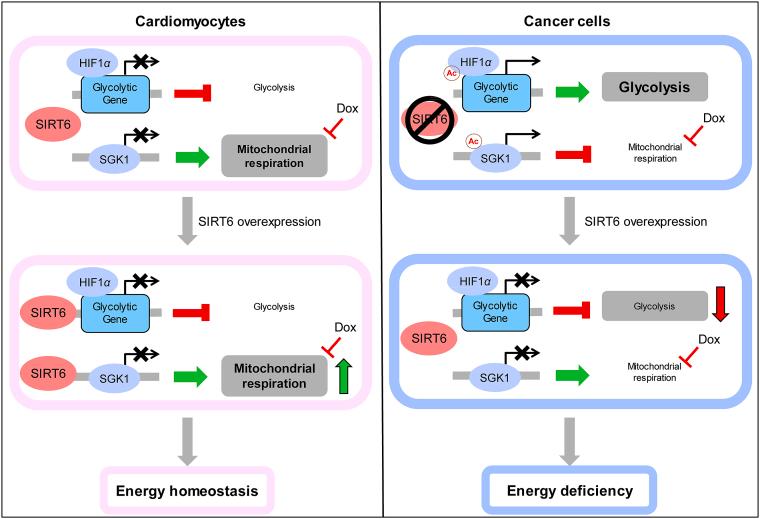
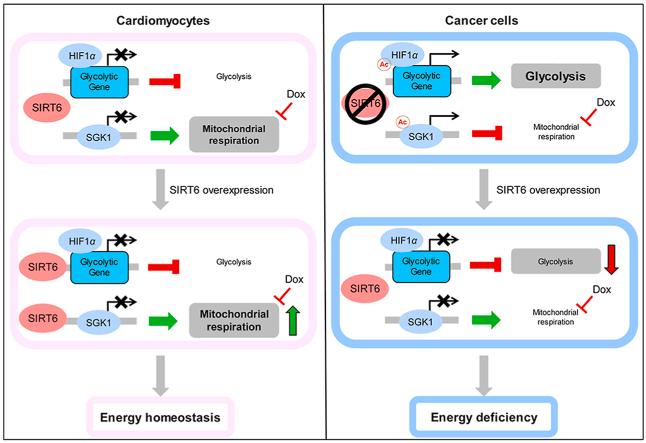
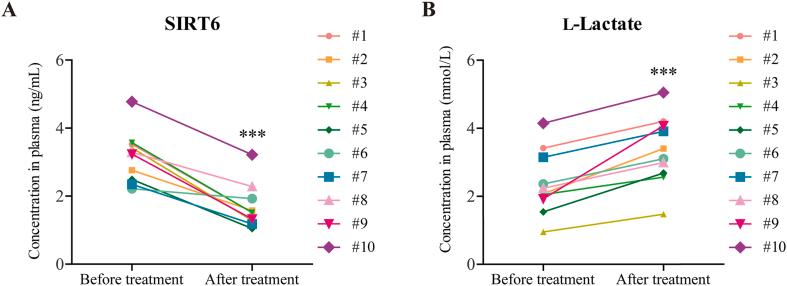
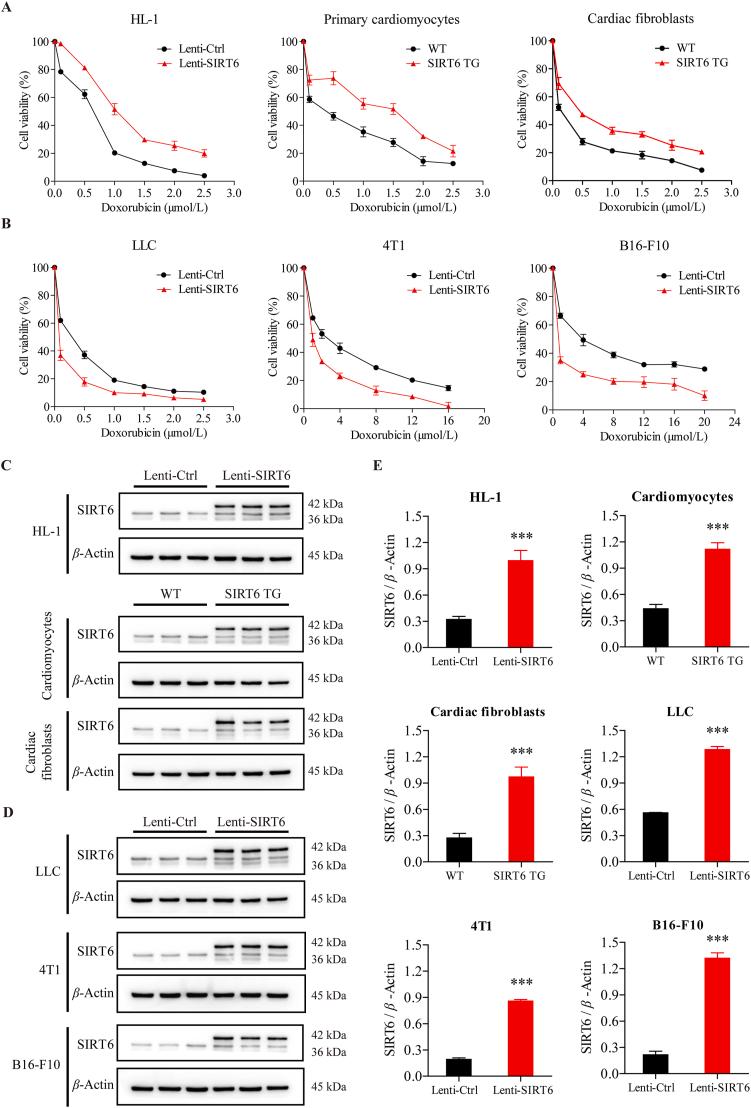
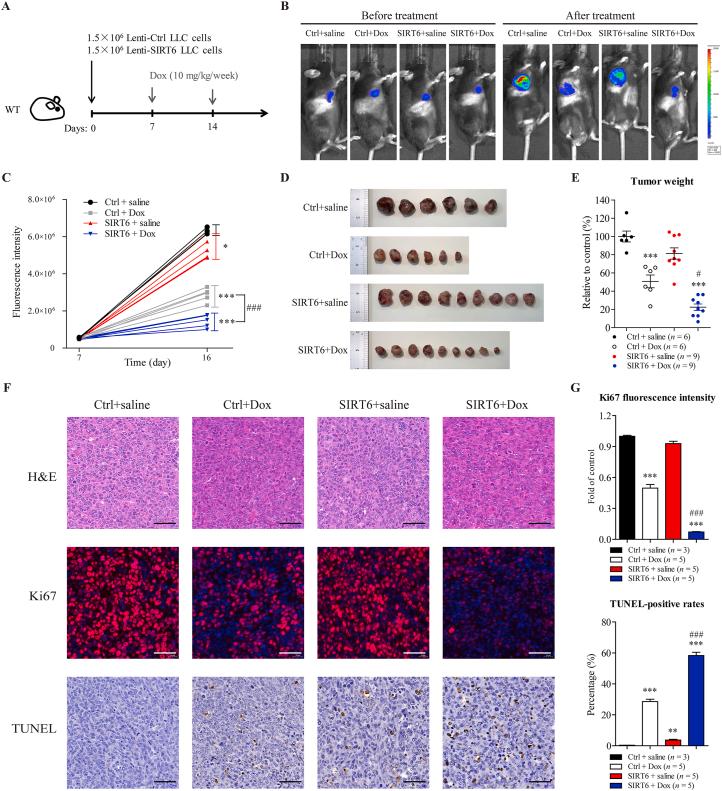
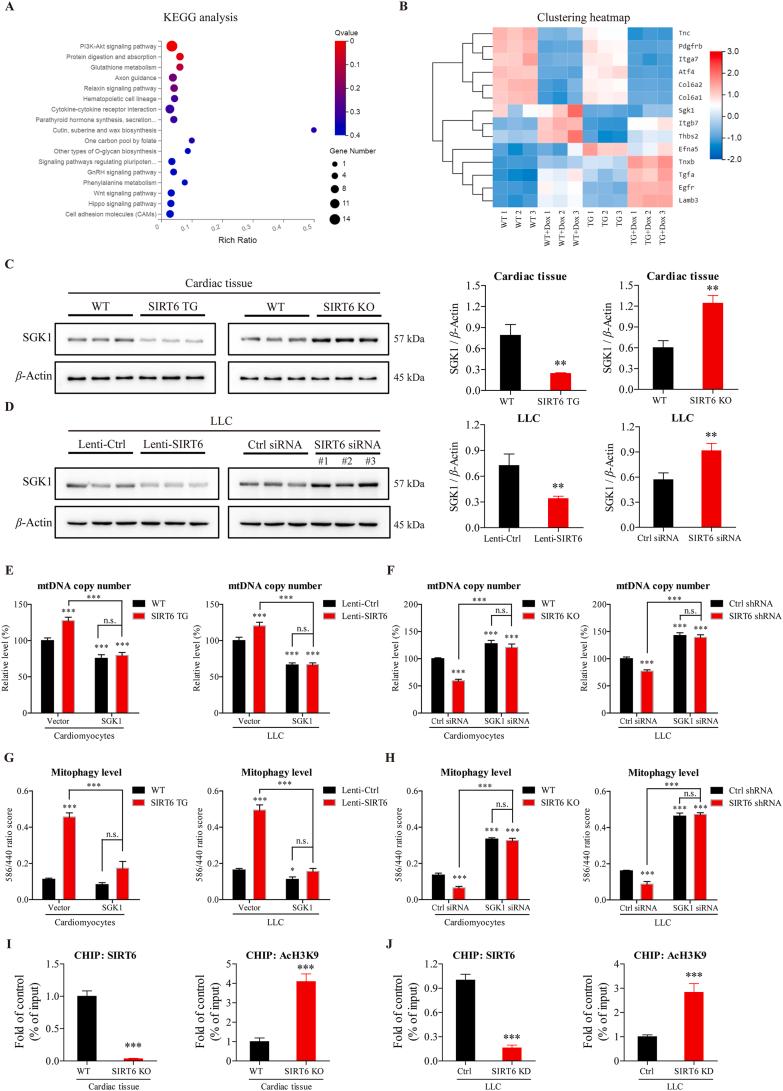
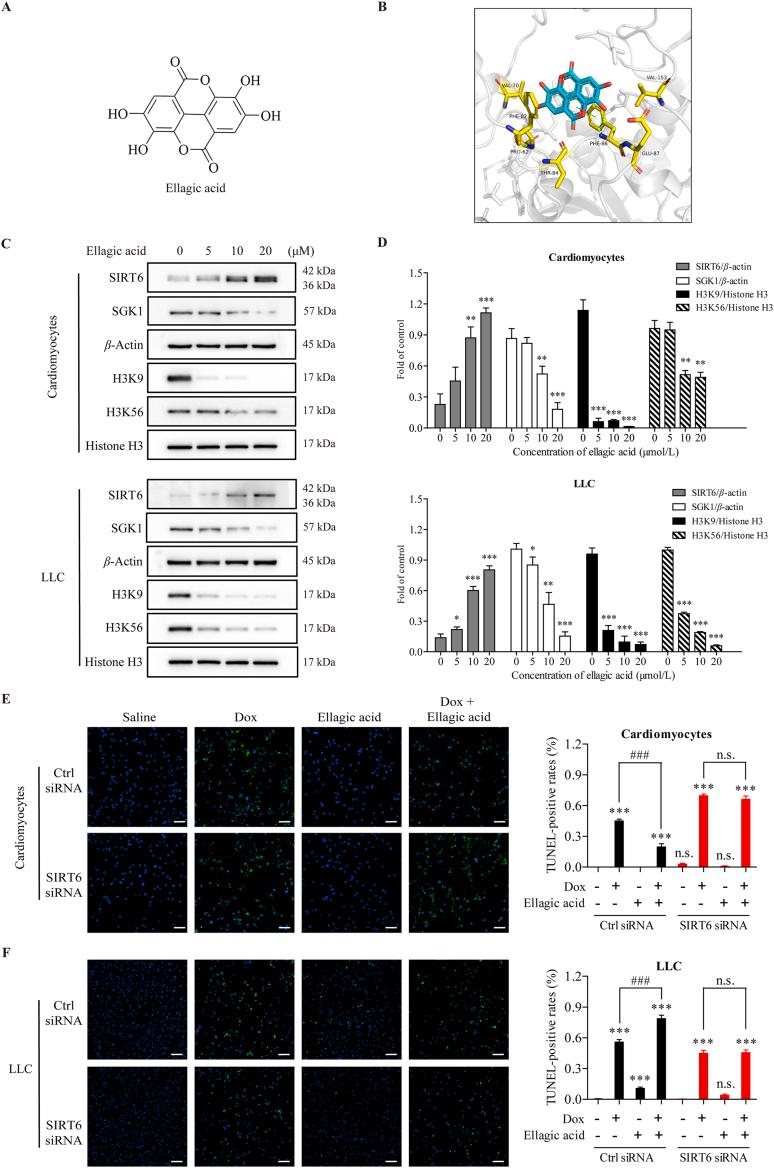
Since the utilization of anthracyclines in cancer therapy, severe cardiotoxicity has become a major obstacle. The major challenge in treating cancer patients with anthracyclines is minimizing cardiotoxicity without compromising antitumor efficacy. Herein, histone deacetylase SIRT6 expression was reduced in plasma of patients treated with anthracyclines-based chemotherapy regimens. Furthermore, overexpression of SIRT6 alleviated doxorubicin-induced cytotoxicity in cardiomyocytes, and potentiated cytotoxicity of doxorubicin in multiple cancer cell lines. Moreover, SIRT6 overexpression ameliorated doxorubicin-induced cardiotoxicity and potentiated antitumor efficacy of doxorubicin in mice, suggesting that SIRT6 overexpression could be an adjunctive therapeutic strategy during doxorubicin treatment. Mechanistically, doxorubicin-impaired mitochondria led to decreased mitochondrial respiration and ATP production. And SIRT6 enhanced mitochondrial biogenesis and mitophagy by deacetylating and inhibiting . Thus, SIRT6 overexpression coordinated metabolic remodeling from glycolysis to mitochondrial respiration during doxorubicin treatment, which was more conducive to cardiomyocyte metabolism, thus protecting cardiomyocytes but not cancer cells against doxorubicin-induced energy deficiency. In addition, ellagic acid, a natural compound that activates SIRT6, alleviated doxorubicin-induced cardiotoxicity and enhanced doxorubicin-mediated tumor regression in tumor-bearing mice. These findings provide a preclinical rationale for preventing cardiotoxicity by activating SIRT6 in cancer patients undergoing chemotherapy, but also advancing the understanding of the crucial role of SIRT6 in mitochondrial homeostasis.
自从蒽环类药物用于癌症治疗以来,严重的心脏毒性已成为一个主要障碍。用蒽环类药物治疗癌症患者的主要挑战在于在不影响抗肿瘤疗效的情况下将心脏毒性降至最低。在此,在用基于蒽环类药物的化疗方案治疗的患者血浆中,组蛋白脱乙酰酶SIRT6的表达降低。此外,SIRT6的过表达减轻了阿霉素诱导的心肌细胞毒性,并增强了阿霉素在多种癌细胞系中的细胞毒性。而且,SIRT6的过表达改善了阿霉素诱导的心脏毒性,并增强了阿霉素在小鼠中的抗肿瘤疗效,这表明SIRT6的过表达可能是阿霉素治疗期间的一种辅助治疗策略。从机制上讲,阿霉素损害线粒体导致线粒体呼吸和ATP生成减少。而SIRT6通过去乙酰化和抑制作用增强线粒体生物发生和线粒体自噬。因此,SIRT6的过表达在阿霉素治疗期间协调了从糖酵解到线粒体呼吸的代谢重塑,这更有利于心肌细胞代谢,从而保护心肌细胞免受阿霉素诱导的能量缺乏影响,但不保护癌细胞。此外,激活SIRT6的天然化合物鞣花酸减轻了阿霉素诱导的心脏毒性,并增强了阿霉素介导的荷瘤小鼠肿瘤消退。这些发现为在接受化疗的癌症患者中通过激活SIRT6预防心脏毒性提供了临床前理论依据,同时也推进了对SIRT6在线粒体稳态中关键作用的理解。




 Zotero 插件