
肠道微生物通过氧化还原调节参与胃肠道癌症。
Gut microbes involvement in gastrointestinal cancers through redox regulation.
作者信息
Yangyanqiu Wang, Jian Chu, Yuqing Yang, Zhanbo Qu, Shuwen Han
机构信息
Huzhou Central Hospital, Affiliated Central Hospital Huzhou University, No. 1558, Sanhuan North Road, Wuxing District, Huzhou, 313000, Zhejiang Province, China.
Graduate School of Medical College, Zhejiang University, No. 268 Kaixuan Road, Jianggan District, Hangzhou, 310029, Zhejiang Province, China.
出版信息
Gut Pathog. 2023 Jul 13;15(1):35. doi: 10.1186/s13099-023-00562-z.
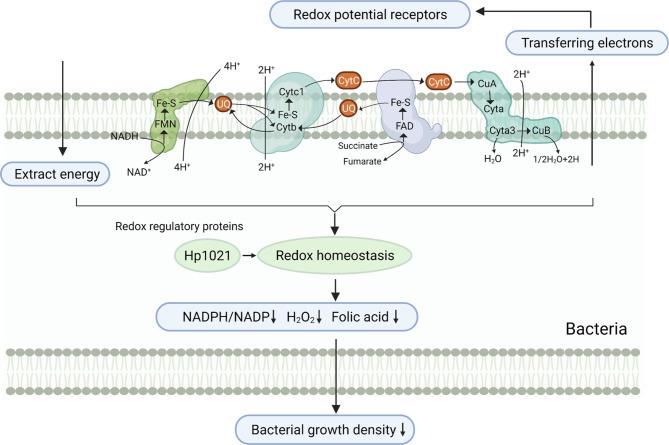
Gastrointestinal (GI) cancers are among the most common and lethal cancers worldwide. GI microbes play an important role in the occurrence and development of GI cancers. The common mechanisms by which GI microbes may lead to the occurrence and development of cancer include the instability of the microbial internal environment, secretion of cancer-related metabolites, and destabilization of the GI mucosal barrier. In recent years, many studies have found that the relationship between GI microbes and the development of cancer is closely associated with the GI redox level. Redox instability associated with GI microbes may induce oxidative stress, DNA damage, cumulative gene mutation, protein dysfunction and abnormal lipid metabolism in GI cells. Redox-related metabolites of GI microbes, such as short-chain fatty acids, hydrogen sulfide and nitric oxide, which are involved in cancer, may also influence GI redox levels. This paper reviews the redox reactions of GI cells regulated by microorganisms and their metabolites, as well as redox reactions in the cancer-related GI microbes themselves. This study provides a new perspective for the prevention and treatment of GI cancers.
胃肠道(GI)癌症是全球最常见且致命的癌症之一。胃肠道微生物在胃肠道癌症的发生和发展中起着重要作用。胃肠道微生物可能导致癌症发生和发展的常见机制包括微生物内部环境的不稳定、癌症相关代谢产物的分泌以及胃肠道黏膜屏障的破坏。近年来,许多研究发现胃肠道微生物与癌症发展之间的关系与胃肠道氧化还原水平密切相关。与胃肠道微生物相关的氧化还原不稳定可能会诱导胃肠道细胞中的氧化应激、DNA损伤、累积基因突变、蛋白质功能障碍和脂质代谢异常。参与癌症的胃肠道微生物的氧化还原相关代谢产物,如短链脂肪酸、硫化氢和一氧化氮,也可能影响胃肠道氧化还原水平。本文综述了微生物及其代谢产物调节的胃肠道细胞的氧化还原反应,以及癌症相关胃肠道微生物自身的氧化还原反应。本研究为胃肠道癌症的预防和治疗提供了新的视角。


 Zotero 插件