
使用带仪器的拐杖验证承重和肩关节负荷的估算器。
Validation of Estimators for Weight-Bearing and Shoulder Joint Loads Using Instrumented Crutches.
机构信息
Department of Information Engineering, Università degli Studi di Brescia, 25123 Brescia, Italy.
Department of Mechanical and Industrial Engineering, Università degli Studi di Brescia, 25123 Brescia, Italy.
出版信息
Sensors (Basel). 2023 Jul 7;23(13):6213. doi: 10.3390/s23136213.
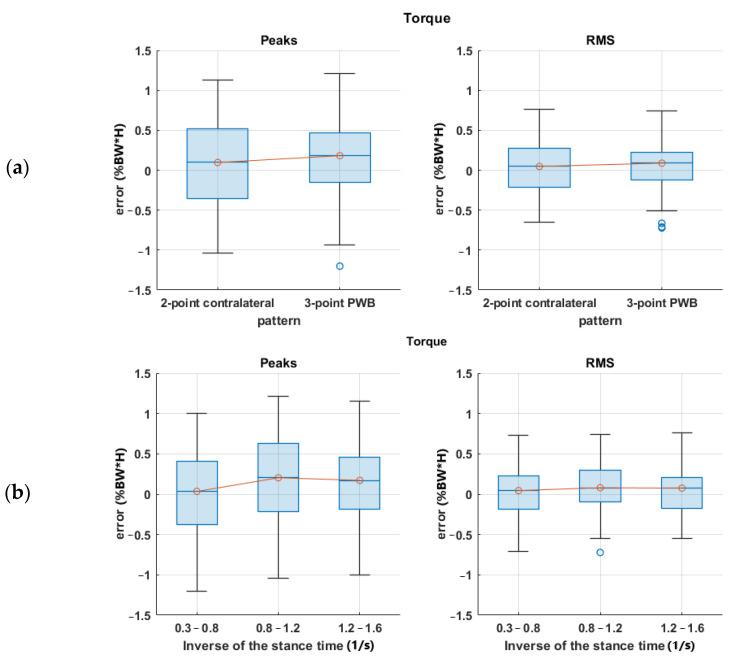
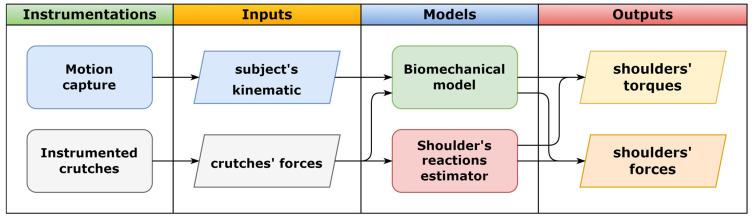
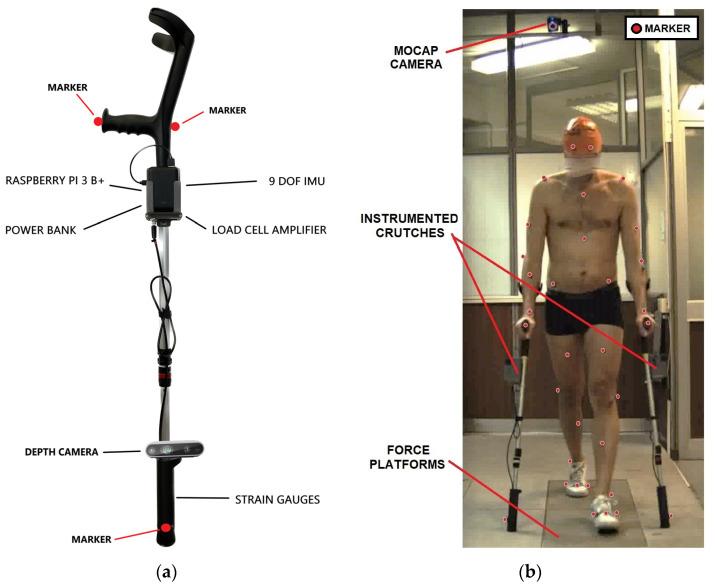
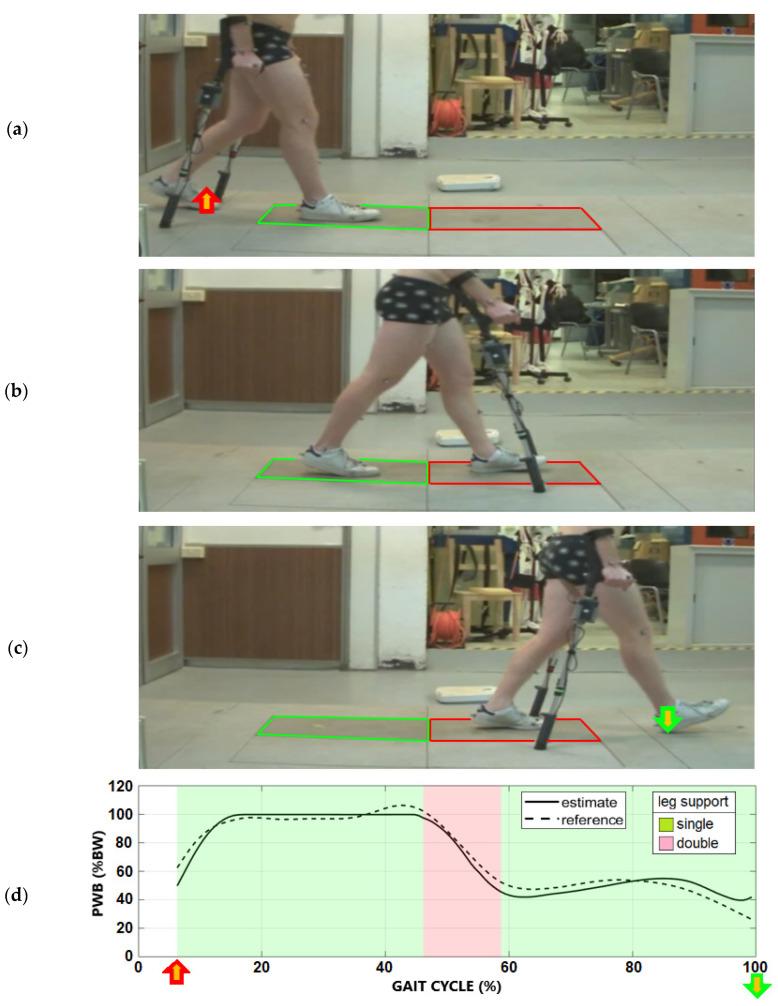
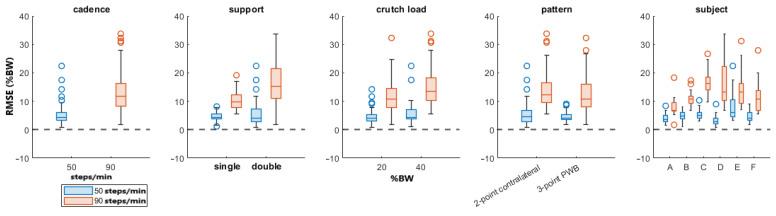
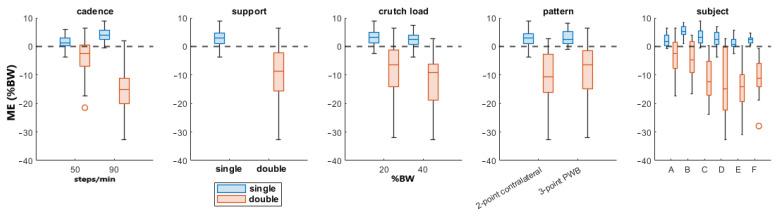
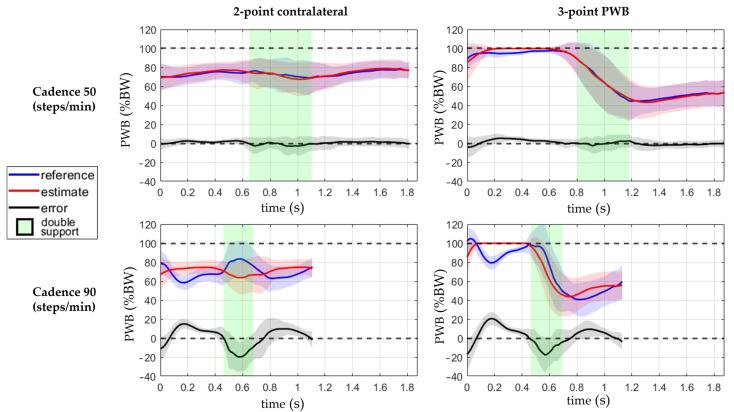
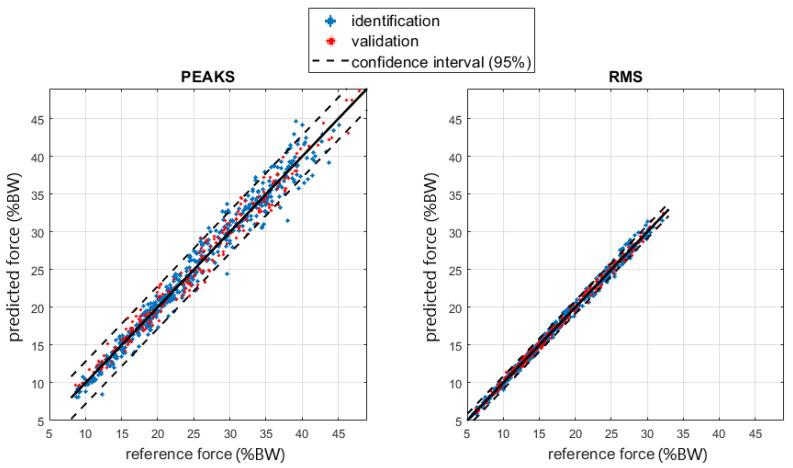
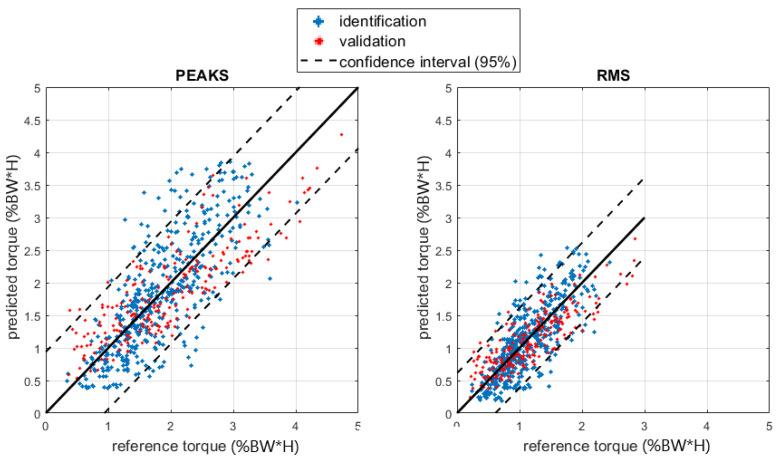
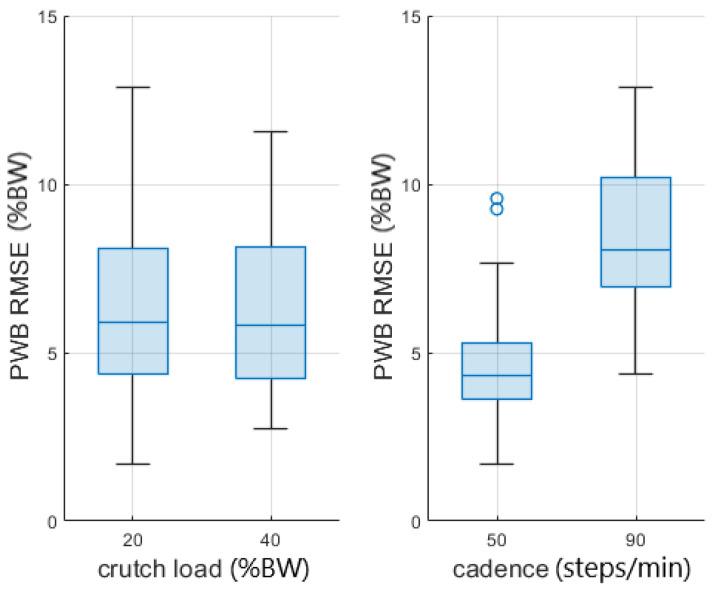
This research paper aimed to validate two methods for measuring loads during walking with instrumented crutches: one method to estimate partial weight-bearing on the lower limbs and another to estimate shoulder joint reactions. Currently, gait laboratories, instrumented with high-end measurement systems, are used to extract kinematic and kinetic data, but such facilities are expensive and not accessible to all patients. The proposed method uses instrumented crutches to measure ground reaction forces and does not require any motion capture devices or force platforms. The load on the lower limbs is estimated by subtracting the forces measured by the crutches from the subject's total weight. Since the model does not consider inertia contribution in dynamic conditions, the estimation improves with low walking cadence when walking with the two-point contralateral and the three-point partial weight-bearing patterns considered for the validation tests. The shoulder joint reactions are estimated using linear regression, providing accurate values for the forces but less accurate torque estimates. The crutches data are acquired and processed in real-time, allowing for immediate feedback, and the system can be used outdoors in real-world walking conditions. The validation of this method could lead to better monitoring of partial weight-bearing and shoulder joint reactions, which could improve patient outcomes and reduce complications.
本文旨在验证两种使用带仪器的拐杖测量步行时负荷的方法
一种方法用于估计下肢的部分负重,另一种方法用于估计肩关节反应。目前,使用配备高端测量系统的步态实验室来提取运动学和动力学数据,但这些设施昂贵,并非所有患者都能使用。所提出的方法使用带仪器的拐杖来测量地面反作用力,不需要任何运动捕捉设备或力平台。通过从受试者的总重量中减去拐杖测量的力来估计下肢的负荷。由于该模型在动态条件下不考虑惯性贡献,因此在考虑验证测试的两点对侧和三点部分负重模式的情况下,当以低步行步速行走时,估计值会提高。使用线性回归估计肩关节反应,为力提供准确的值,但扭矩估计不太准确。拐杖数据实时采集和处理,可即时反馈,系统可在户外真实行走条件下使用。这种方法的验证可以更好地监测部分负重和肩关节反应,从而改善患者的预后并减少并发症。

 Zotero 插件