
通过核磁共振进行的血浆代谢组学揭示了与HIV-1感染/进展控制相关的生物标志物和代谢途径。
Plasma metabolomics by nuclear magnetic resonance reveals biomarkers and metabolic pathways associated with the control of HIV-1 infection/progression.
作者信息
Gómez-Archila León Gabriel, Palomino-Schätzlein Martina, Zapata-Builes Wildeman, Rugeles Maria T, Galeano Elkin
机构信息
Grupo de Investigación en Sustancias Bioactivas, Facultad de Ciencias Farmacéuticas y Alimentarias, Universidad de Antioquia (UdeA), Medellín, Colombia.
Grupo de Investigación en Ciencias Farmacéuticas ICIF-CES, Facultad de Ciencias y Biotecnología, Universidad CES, Medellín, Colombia.
出版信息
Front Mol Biosci. 2023 Jun 29;10:1204273. doi: 10.3389/fmolb.2023.1204273. eCollection 2023.
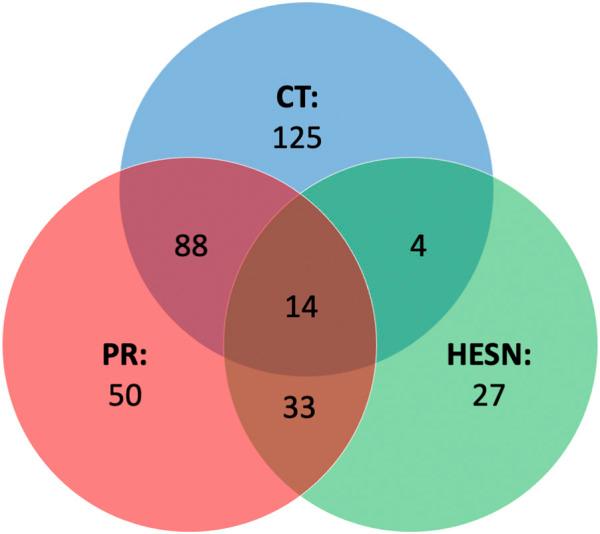
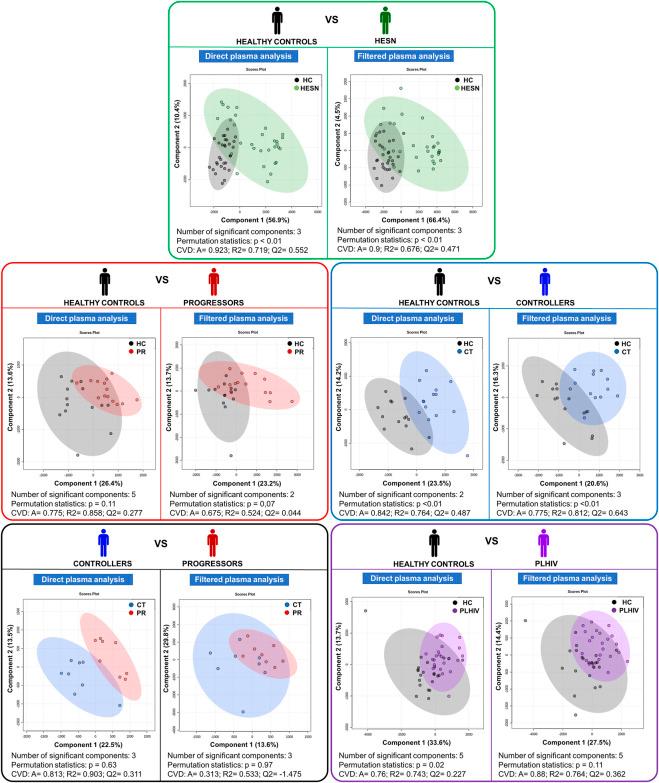
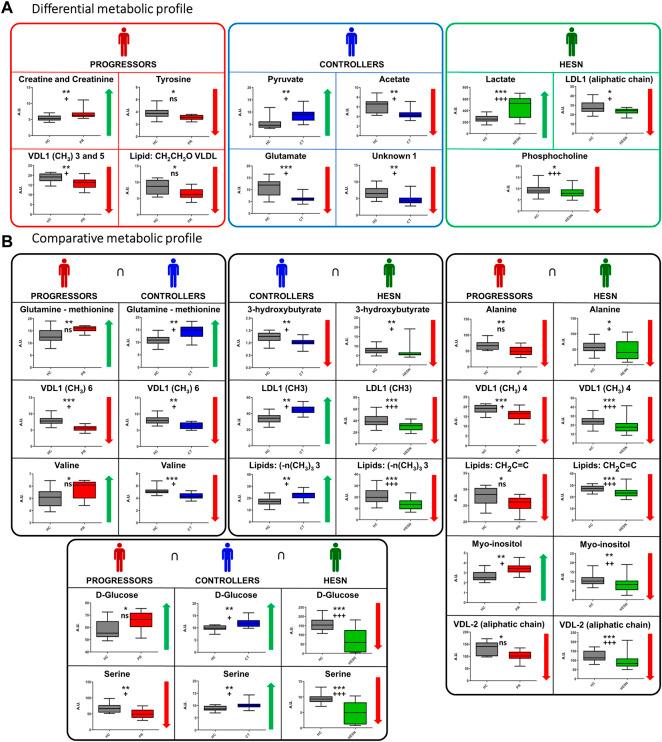
How the human body reacts to the exposure of HIV-1 is an important research goal. Frequently, HIV exposure leads to infection, but some individuals show natural resistance to this infection; they are known as HIV-1-exposed but seronegative (HESN). Others, although infected but without antiretroviral therapy, control HIV-1 replication and progression to AIDS; they are named controllers, maintaining low viral levels and an adequate count of CD4 T lymphocytes. Biological mechanisms explaining these phenomena are not precise. In this context, metabolomics emerges as a method to find metabolites in response to pathophysiological stimuli, which can help to establish mechanisms of natural resistance to HIV-1 infection and its progression. We conducted a cross-sectional study including 30 HESN, 14 HIV-1 progressors, 14 controllers and 30 healthy controls. Plasma samples (directly and deproteinized) were analyzed through Nuclear Magnetic Resonance (NMR) metabolomics to find biomarkers and altered metabolic pathways. The metabolic profile analysis of progressors, controllers and HESN demonstrated significant differences with healthy controls when a discriminant analysis (PLS-DA) was applied. In the discriminant models, 13 metabolites associated with HESN, 14 with progressors and 12 with controllers were identified, which presented statistically significant mean differences with healthy controls. In progressors, the metabolites were related to high energy expenditure (creatinine), mood disorders (tyrosine) and immune activation (lipoproteins), phenomena typical of the natural course of the infection. In controllers, they were related to an inflammation-modulating profile (glutamate and pyruvate) and a better adaptive immune system response (acetate) associated with resistance to progression. In the HESN group, with anti-inflammatory (lactate and phosphocholine) and virucidal (lactate) effects which constitute a protective profile in the sexual transmission of HIV. Concerning the significant metabolites of each group, we identified 24 genes involved in HIV-1 replication or virus proteins that were all altered in progressors but only partially in controllers and HESN. In summary, our results indicate that exposure to HIV-1 in HESN, as well as infection in progressors and controllers, affects the metabolism of individuals and that this affectation can be determined using NMR metabolomics.
人体对HIV-1暴露的反应是一个重要的研究目标。通常,HIV暴露会导致感染,但一些个体对这种感染表现出天然抵抗力;他们被称为HIV-1暴露但血清学阴性者(HESN)。另一些人,虽然感染了HIV但未接受抗逆转录病毒治疗,却能控制HIV-1复制并延缓向艾滋病的发展;他们被称为病毒控制者,能维持低病毒载量并保持足够数量的CD4 T淋巴细胞。解释这些现象的生物学机制尚不清楚。在此背景下,代谢组学作为一种寻找对病理生理刺激产生反应的代谢物的方法应运而生,这有助于建立对HIV-1感染及其发展的天然抵抗力机制。我们进行了一项横断面研究,纳入了30名HESN、14名HIV-1进展者、14名病毒控制者和30名健康对照。通过核磁共振(NMR)代谢组学分析血浆样本(直接样本和去蛋白样本),以寻找生物标志物和改变的代谢途径。当应用判别分析(PLS-DA)时,进展者、病毒控制者和HESN的代谢谱分析显示与健康对照存在显著差异。在判别模型中,鉴定出13种与HESN相关的代谢物、14种与进展者相关的代谢物和12种与病毒控制者相关的代谢物,它们与健康对照相比具有统计学上显著的平均差异。在进展者中,这些代谢物与高能量消耗(肌酐)、情绪障碍(酪氨酸)和免疫激活(脂蛋白)有关,这些都是感染自然病程中的典型现象。在病毒控制者中,它们与炎症调节谱(谷氨酸和丙酮酸)以及与抗进展抵抗力相关的更好的适应性免疫系统反应(乙酸盐)有关。在HESN组中,具有抗炎(乳酸盐和磷酸胆碱)和杀病毒(乳酸盐)作用,这在HIV的性传播中构成一种保护谱。关于每组的显著代谢物,我们鉴定出24个参与HIV-1复制或病毒蛋白的基因,这些基因在进展者中均发生改变,但在病毒控制者和HESN中仅部分改变。总之,我们的结果表明,HESN中的HIV-1暴露以及进展者和病毒控制者中的感染都会影响个体的代谢,并且这种影响可以通过NMR代谢组学来确定。




 Zotero 插件