
基于 CRISPR/Cas13a 的日本血吸虫病诊断检测方法的建立。
Development of CRISPR/Cas13a-based assays for the diagnosis of Schistosomiasis.
机构信息
Infection and Inflammation Department, QIMR Berghofer Medical Research Institute, Brisbane, Queensland, Australia.
Genetics & Computational Biology Department, QIMR Berghofer Medical Research Institute, Brisbane, Queensland, Australia.
出版信息
EBioMedicine. 2023 Aug;94:104730. doi: 10.1016/j.ebiom.2023.104730. Epub 2023 Jul 22.
BACKGROUND
Schistosomiasis is a disease that significantly impacts human health in the developing world. Effective diagnostics are urgently needed for improved control of this disease. CRISPR-based technology has rapidly accelerated the development of a revolutionary and powerful diagnostics platform, resulting in the advancement of a class of ultrasensitive, specific, cost-effective and portable diagnostics, typified by applications in COVID-19/cancer diagnosis.
METHODS
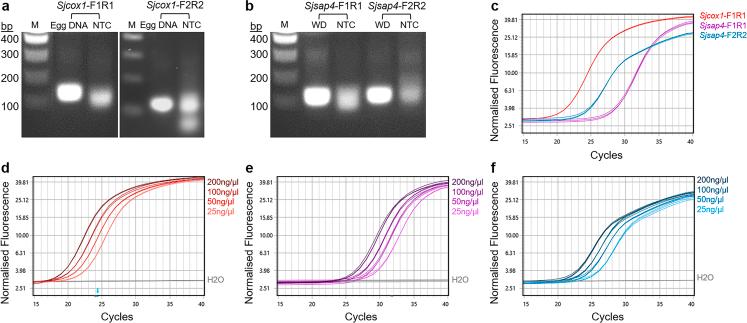
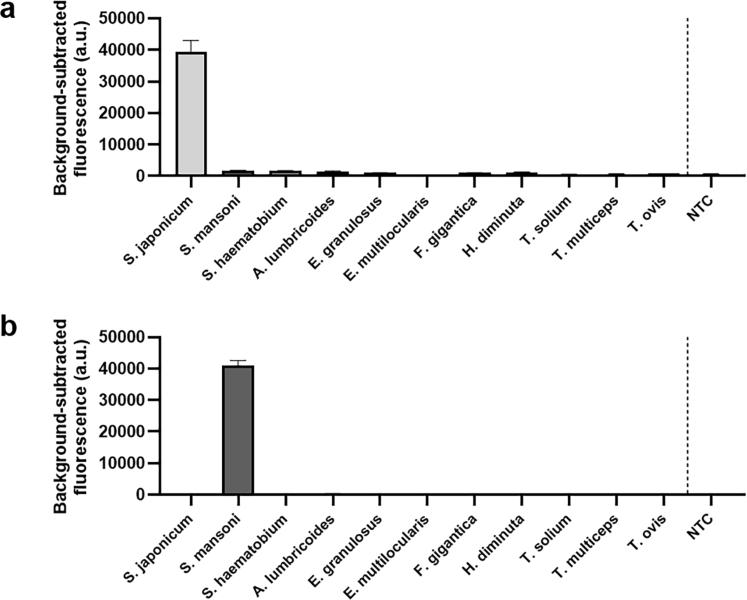
We developed CRISPR-based diagnostic platform SHERLOCK (Specific High-sensitivity Enzymatic Reporter unLOCKing) for the detection of Schistosoma japonicum and S. mansoni by combining recombinase polymerase amplification (RPA) with CRISPR-Cas13a detection, measured via fluorescent or colorimetric readouts. We evaluated SHERLOCK assays by using 150 faecal/serum samples collected from Schistosoma-infected ARC Swiss mice (female), and 189 human faecal/serum samples obtained from a S. japonicum-endemic area in the Philippines and a S. mansoni-endemic area in Uganda.
FINDINGS
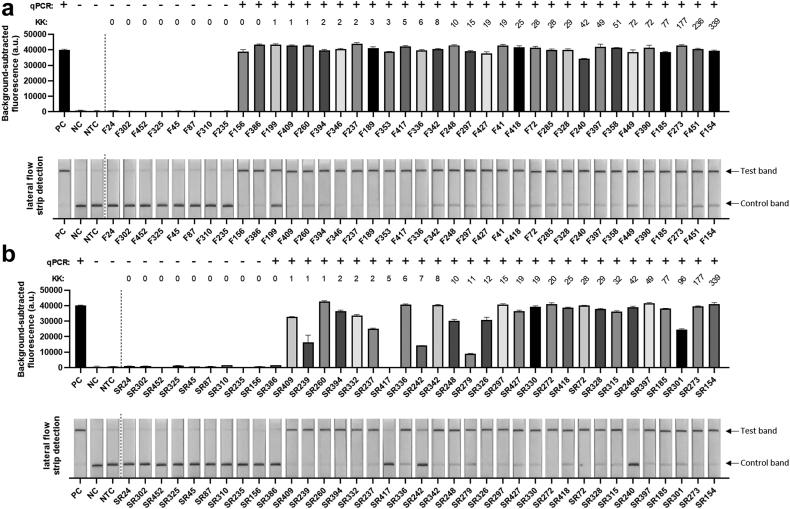
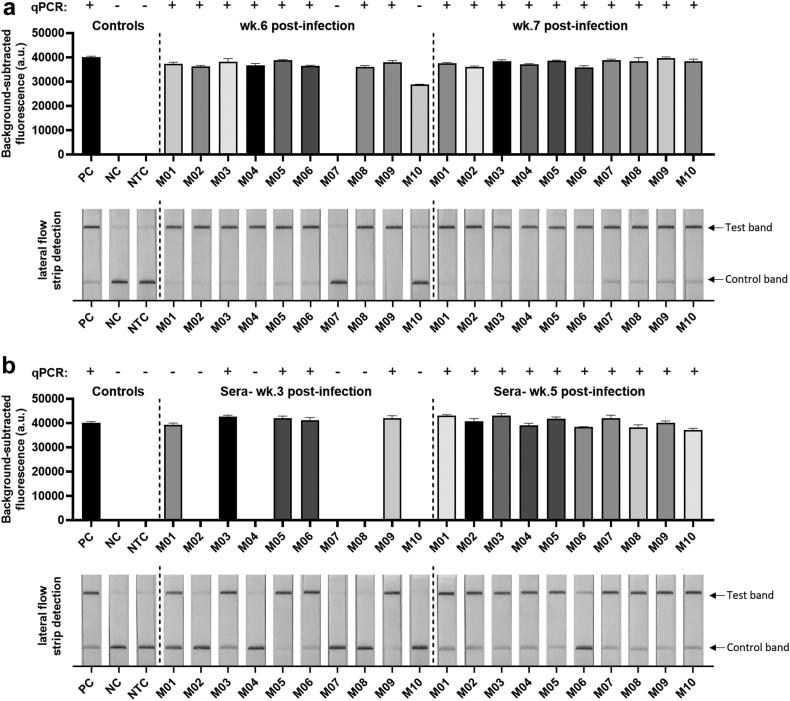
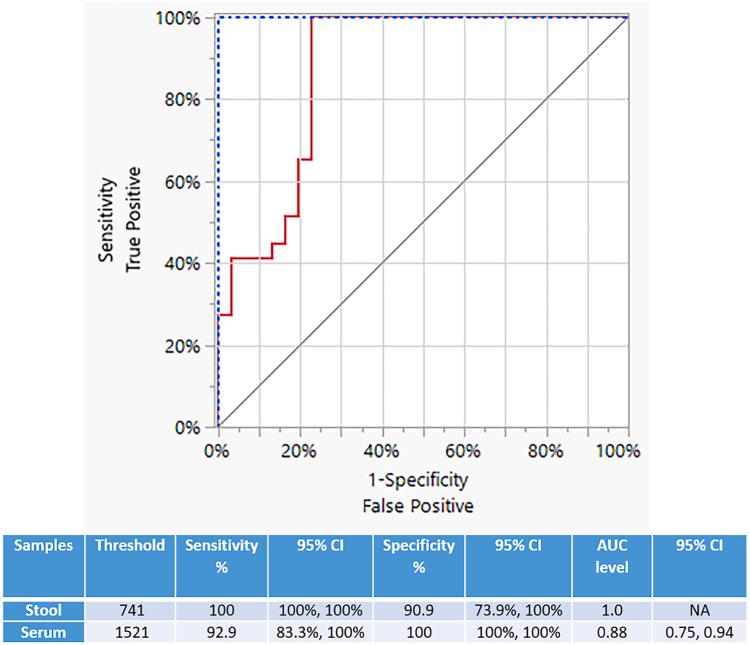
The S. japonicum SHERLOCK assay achieved 93-100% concordance with gold-standard qPCR detection across all the samples. The S. mansoni SHERLOCK assay demonstrated higher sensitivity than qPCR and was able to detect infection in mouse serum as early as 3 weeks post-infection. In human samples, S. mansoni SHERLOCK had 100% sensitivity when compared to qPCR of faecal and serum samples.
INTERPRETATION
These schistosomiasis diagnostic assays demonstrate the potential of SHERLOCK/CRISPR-based diagnostics to provide highly accurate and field-friendly point-of-care tests that could provide the next generation of diagnostic and surveillance tools for parasitic neglected tropical diseases.
FUNDING
Australian Infectious Diseases Research Centre seed grant (2022) and National Health and Medical Research Council (NHMRC) of Australia (APP1194462, APP2008433).
背景
血吸虫病是发展中国家严重影响人类健康的疾病。迫切需要有效的诊断方法来改善对这种疾病的控制。基于 CRISPR 的技术已迅速加速了革命性和强大诊断平台的发展,从而推动了一类超灵敏、特异性、具有成本效益和便携性的诊断方法的发展,其应用典型范例包括在 COVID-19/癌症诊断中。
方法
我们通过结合重组酶聚合酶扩增 (RPA) 和 CRISPR-Cas13a 检测,开发了基于 CRISPR 的诊断平台 SHERLOCK(特定高灵敏度酶报告物解锁),用于检测日本血吸虫和曼氏血吸虫,通过荧光或比色读数进行测量。我们使用从感染血吸虫的 ARC 瑞士小鼠(雌性)中收集的 150 个粪便/血清样本和从菲律宾血吸虫流行地区和乌干达曼氏血吸虫流行地区获得的 189 个人类粪便/血清样本评估了 SHERLOCK 检测。
结果
日本血吸虫 SHERLOCK 检测在所有样本中与金标准 qPCR 检测的一致性达到 93-100%。曼氏血吸虫 SHERLOCK 检测比 qPCR 更灵敏,能够在感染后 3 周即可在小鼠血清中检测到感染。在人类样本中,与粪便和血清样本的 qPCR 相比,曼氏血吸虫 SHERLOCK 的灵敏度为 100%。
解释
这些血吸虫病诊断检测表明,SHERLOCK/CRISPR 诊断具有提供高度准确和现场友好的即时护理检测的潜力,可为寄生虫性被忽视热带病提供下一代诊断和监测工具。
资金
澳大利亚传染病研究中心种子基金(2022 年)和澳大利亚国家卫生和医学研究委员会(NHMRC)(APP1194462,APP2008433)。








 Zotero 插件