
癌症疼痛管理:当前概念、策略和技术的叙述性综述。
Cancer Pain Management: A Narrative Review of Current Concepts, Strategies, and Techniques.
机构信息
Department of Anesthesiology and Pain Clinic, Cliniques Universitaires Saint Luc, University Catholic of Louvain, Av Hippocrate 10, B-1200 Brussels, Belgium.
Department of Anesthesiology and Acute Postoperative & Transitional Pain Service, Cliniques Universitaires Saint Luc, University Catholic of Louvain, Av Hippocrate 10, B-1200 Brussels, Belgium.
出版信息
Curr Oncol. 2023 Jul 18;30(7):6838-6858. doi: 10.3390/curroncol30070500.
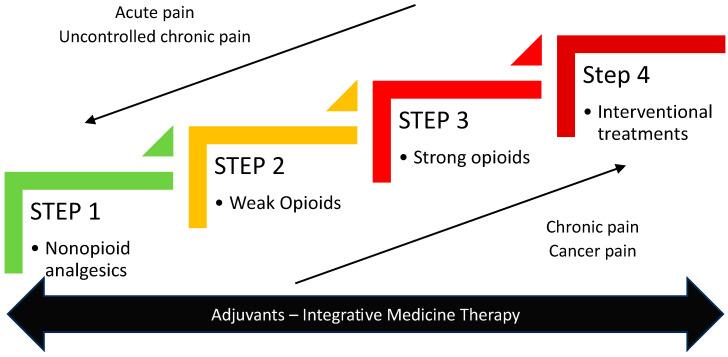
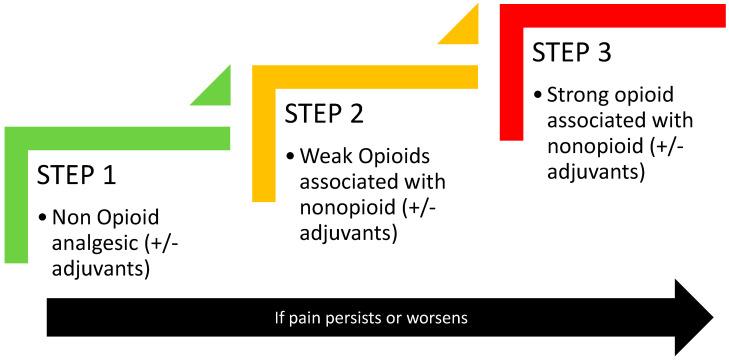
Pain is frequently reported during cancer disease, and it still remains poorly controlled in 40% of patients. Recent developments in oncology have helped to better control pain. Targeted treatments may cure cancer disease and significantly increase survival. Therefore, a novel population of patients (cancer survivors) has emerged, also enduring chronic pain (27.6% moderate to severe pain). The present review discusses the different options currently available to manage pain in (former) cancer patients in light of progress made in the last decade. Major progress in the field includes the recent development of a chronic cancer pain taxonomy now included in the International Classification of Diseases (ICD-11) and the update of the WHO analgesic ladder. Until recently, cancer pain management has mostly relied on pharmacotherapy, with opioids being considered as the mainstay. The opioids crisis has prompted the reassessment of opioids use in cancer patients and survivors. This review focuses on the current utilization of opioids, the neuropathic pain component often neglected, and the techniques and non-pharmacological strategies available which help to personalize patient treatment. Cancer pain management is now closer to the management of chronic non-cancer pain, i.e., "an integrative and supportive pain care" aiming to improve patient's quality of life.
疼痛在癌症患者中经常被报告,而在 40%的患者中仍然没有得到很好的控制。肿瘤学的最新进展有助于更好地控制疼痛。靶向治疗可能治愈癌症并显著提高生存率。因此,出现了一类新的患者(癌症幸存者),他们也在忍受慢性疼痛(27.6%为中度至重度疼痛)。本文综述了过去十年中在癌症患者疼痛管理方面取得的进展,讨论了目前可用于管理(前)癌症患者疼痛的不同选择。该领域的主要进展包括最近在国际疾病分类(ICD-11)中纳入慢性癌症疼痛分类和世界卫生组织镇痛阶梯的更新。直到最近,癌症疼痛管理主要依赖于药物治疗,阿片类药物被认为是主要的治疗方法。阿片类药物危机促使人们重新评估癌症患者和幸存者中阿片类药物的使用。本文重点讨论了目前阿片类药物的使用情况,以及经常被忽视的神经病理性疼痛成分,以及可用于帮助个体化患者治疗的技术和非药物策略。癌症疼痛管理现在更接近慢性非癌症疼痛的管理,即“综合和支持性疼痛护理”,旨在提高患者的生活质量。
 Zotero 插件