
单克隆抗体(mAbs)在儿童中的全球影响:聚焦抗GD2
Global Impact of Monoclonal Antibodies (mAbs) in Children: A Focus on Anti-GD2.
作者信息
Larrosa Cristina, Mora Jaume, Cheung Nai-Kong
机构信息
Pediatric Cancer Center Barcelona, 08950 Barcelona, Spain.
Memorial Sloan-Kettering Cancer Center, New York, NY 10065, USA.
出版信息
Cancers (Basel). 2023 Jul 22;15(14):3729. doi: 10.3390/cancers15143729.
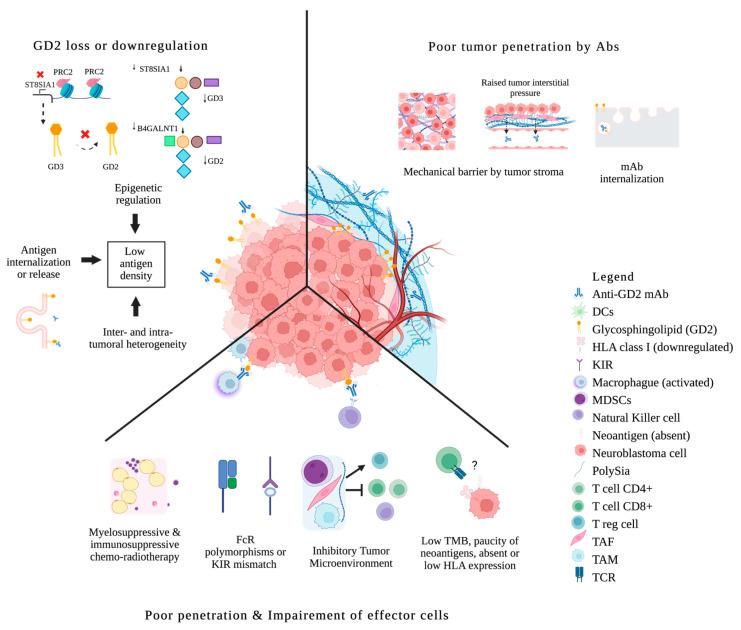
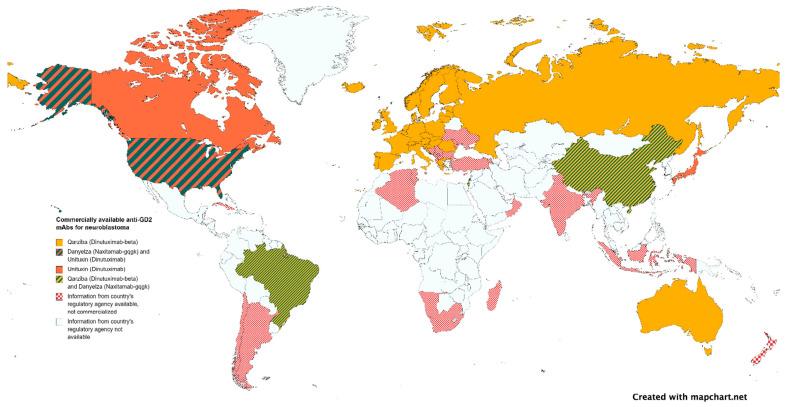
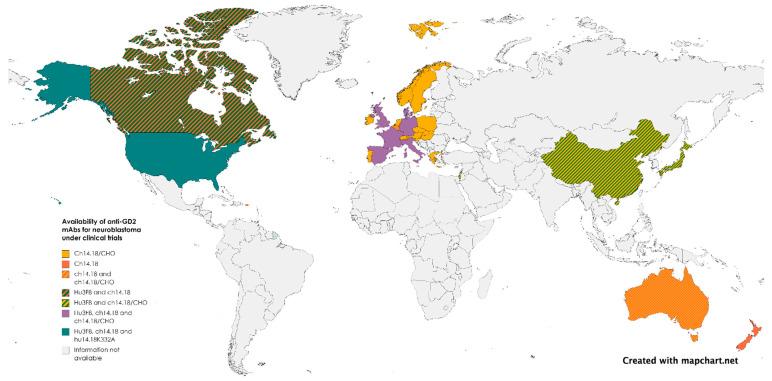
Monoclonal antibodies (mAbs), as the name implies, are clonal antibodies that bind to the same antigen. mAbs are broadly used as diagnostic or therapeutic tools for neoplasms, autoimmune diseases, allergic conditions, and infections. Although most mAbs are approved for treating adult cancers, few are applicable to childhood malignancies, limited mostly to hematological cancers. As for solid tumors, only anti-disialoganglioside (GD2) mAbs are approved specifically for neuroblastoma. Inequities of drug access have continued, affecting most therapeutic mAbs globally. To understand these challenges, a deeper dive into the complex transition from basic research to the clinic, or between marketing and regulatory agencies, is timely. This review focuses on current mAbs approved or under investigation in pediatric cancer, with special attention on solid tumors and anti-GD2 mAbs, and the hurdles that limit their broad global access. Beyond understanding the mechanisms of drug resistance, the continual discovery of next generation drugs safer for children and easier to administer, the discovery of predictive biomarkers to avoid futility should ease the acceptance by patient, health care professionals and regulatory agencies, in order to expand clinical utility. With a better integration into the multimodal treatment for each disease, protocols that align with the regional clinical practice should also improve acceptance and cost-effectiveness. Communication and collaboration between academic institutions, pharmaceutical companies, and regulatory agencies should help to ensure accessible, affordable, and sustainable health care for all.
单克隆抗体(mAbs),顾名思义,是与同一抗原结合的克隆抗体。单克隆抗体被广泛用作肿瘤、自身免疫性疾病、过敏性疾病和感染的诊断或治疗工具。尽管大多数单克隆抗体被批准用于治疗成人癌症,但很少适用于儿童恶性肿瘤,主要限于血液系统癌症。至于实体瘤,只有抗二唾液酸神经节苷脂(GD2)单克隆抗体被专门批准用于神经母细胞瘤。药物可及性的不平等仍在持续,影响着全球大多数治疗性单克隆抗体。为了理解这些挑战,深入研究从基础研究到临床,或在营销和监管机构之间的复杂转变是适时的。本综述重点关注目前已批准或正在儿科癌症中进行研究的单克隆抗体,特别关注实体瘤和抗GD2单克隆抗体,以及限制其在全球广泛应用的障碍。除了了解耐药机制外,持续发现对儿童更安全、更易于给药的下一代药物,发现预测性生物标志物以避免无效治疗,应能提高患者、医疗保健专业人员和监管机构的接受度,从而扩大临床应用。通过更好地融入每种疾病的多模式治疗,与区域临床实践相匹配的方案也应能提高接受度和成本效益。学术机构、制药公司和监管机构之间的沟通与合作应有助于确保所有人都能获得可及、可负担且可持续的医疗保健。

 Zotero 插件