
林奇综合征的生物病理学与治疗:微小RNA在临床实践中的潜在作用
Lynch Syndrome Biopathology and Treatment: The Potential Role of microRNAs in Clinical Practice.
作者信息
Ascrizzi Serena, Arillotta Grazia Maria, Grillone Katia, Caridà Giulio, Signorelli Stefania, Ali Asad, Romeo Caterina, Tassone Pierfrancesco, Tagliaferri Pierosandro
机构信息
Department of Experimental and Clinical Medicine, Magna Graecia University of Catanzaro, 88100 Catanzaro, Italy.
Medical Oncology and Translational Medical Oncology Units, University Hospital Renato Dulbecco, 88100 Catanzaro, Italy.
出版信息
Cancers (Basel). 2023 Aug 2;15(15):3930. doi: 10.3390/cancers15153930.
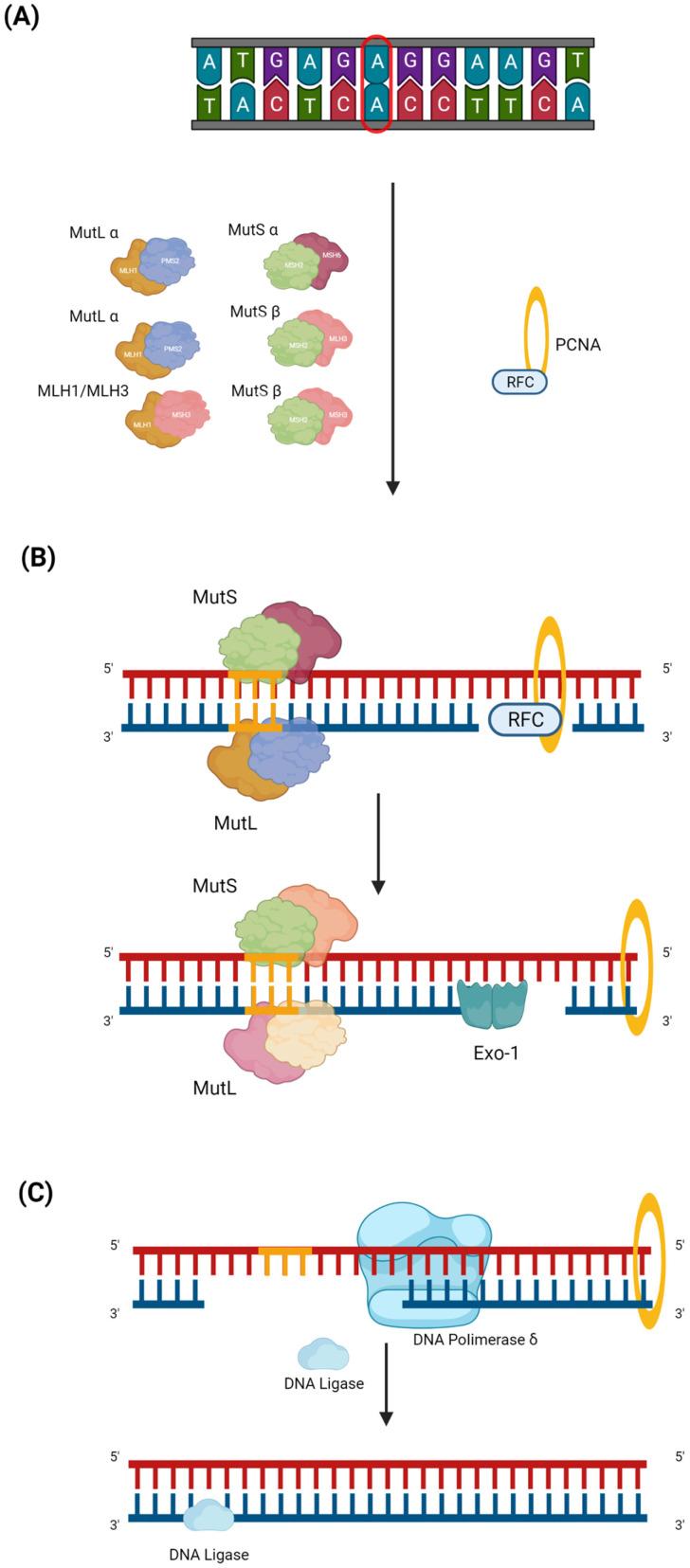
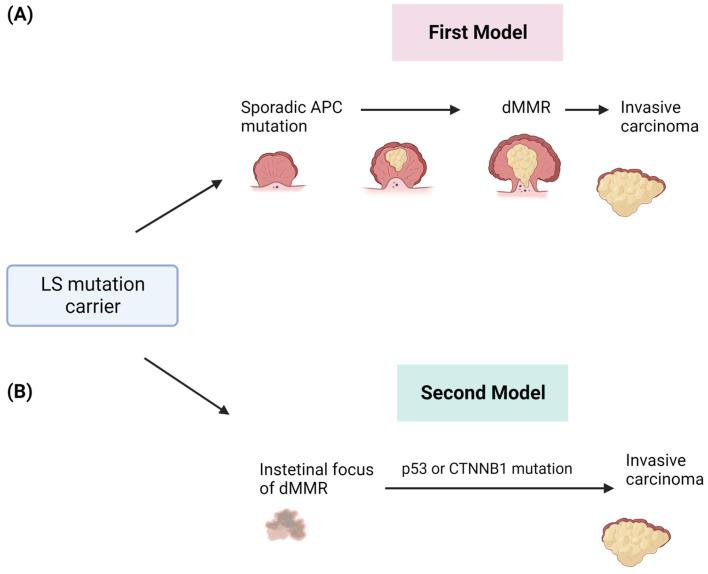
Lynch syndrome (LS), also known as Hereditary Non-Polyposis Colorectal Cancer (HNPCC), is an autosomal dominant cancer syndrome which causes about 2-3% of cases of colorectal carcinoma. The development of LS is due to the genetic and epigenetic inactivation of genes involved in the DNA mismatch repair (MMR) system, causing an epiphenomenon known as microsatellite instability (MSI). Despite the fact that the genetics of the vast majority of MSI-positive (MSI) cancers can be explained, the etiology of this specific subset is still poorly understood. As a possible new mechanism, it has been recently demonstrated that the overexpression of certain microRNAs (miRNAs, miRs), such as miR-155, miR-21, miR-137, can induce MSI or modulate the expression of the genes involved in LS pathogenesis. MiRNAs are small RNA molecules that regulate gene expression at the post-transcriptional level by playing a critical role in the modulation of key oncogenic pathways. Increasing evidence of the link between MSI and miRNAs in LS prompted a deeper investigation into the miRNome involved in these diseases. In this regard, in this study, we discuss the emerging role of miRNAs as crucial players in the onset and progression of LS as well as their potential use as disease biomarkers and therapeutic targets in the current view of precision medicine.
林奇综合征(LS),也称为遗传性非息肉病性结直肠癌(HNPCC),是一种常染色体显性癌症综合征,约占结直肠癌病例的2% - 3%。LS的发生是由于DNA错配修复(MMR)系统相关基因的遗传和表观遗传失活,导致一种称为微卫星不稳定性(MSI)的现象。尽管绝大多数微卫星高度不稳定(MSI-H)癌症的遗传学可以得到解释,但这一特定亚组的病因仍知之甚少。作为一种可能的新机制,最近有研究表明,某些微小RNA(miRNA,miR)如miR-155、miR-21、miR-137的过表达可诱导MSI或调节LS发病机制中相关基因的表达。miRNA是小分子RNA,通过在关键致癌途径的调控中发挥关键作用,在转录后水平调节基因表达。越来越多的证据表明LS中MSI与miRNA之间存在联系,这促使人们对这些疾病中涉及的miRNA组进行更深入的研究。在这方面,在本研究中,我们讨论了miRNA作为LS发病和进展的关键参与者的新作用,以及在当前精准医学观点下它们作为疾病生物标志物和治疗靶点的潜在用途。

 Zotero 插件