
通过基于细菌毒素的遗传筛选深入了解基本生物学途径
Gaining New Insights into Fundamental Biological Pathways by Bacterial Toxin-Based Genetic Screens.
作者信息
Tian Songhai, Zhou Nini
机构信息
State Key Laboratory of Natural and Biomimetic Drugs, Department of Molecular and Cellular Pharmacology, School of Pharmaceutical Sciences, Peking University, 38 Xueyuan Road, Beijing 100191, China.
Department of Urology, Boston Children's Hospital, Boston, MA 02115, USA.
出版信息
Bioengineering (Basel). 2023 Jul 25;10(8):884. doi: 10.3390/bioengineering10080884.
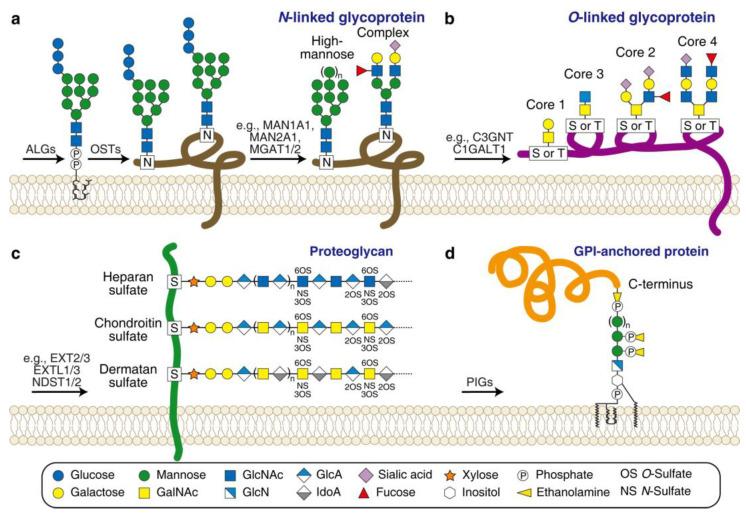
Genetic screen technology has been applied to study the mechanism of action of bacterial toxins-a special class of virulence factors that contribute to the pathogenesis caused by bacterial infections. These screens aim to identify host factors that directly or indirectly facilitate toxin intoxication. Additionally, specific properties of certain toxins, such as membrane interaction, retrograde trafficking, and carbohydrate binding, provide robust probes to comprehensively investigate the lipid biosynthesis, membrane vesicle transport, and glycosylation pathways, respectively. This review specifically focuses on recent representative toxin-based genetic screens that have identified new players involved in and provided new insights into fundamental biological pathways, such as glycosphingolipid biosynthesis, protein glycosylation, and membrane vesicle trafficking pathways. Functionally characterizing these newly identified factors not only expands our current understanding of toxin biology but also enables a deeper comprehension of fundamental biological questions. Consequently, it stimulates the development of new therapeutic approaches targeting both bacterial infectious diseases and genetic disorders with defects in these factors and pathways.
遗传筛选技术已被应用于研究细菌毒素的作用机制,细菌毒素是一类特殊的毒力因子,在细菌感染所致的发病机制中起作用。这些筛选旨在鉴定直接或间接促进毒素中毒的宿主因子。此外,某些毒素的特定特性,如膜相互作用、逆向运输和碳水化合物结合,分别为全面研究脂质生物合成、膜泡运输和糖基化途径提供了有力的探针。本综述特别关注近期基于毒素的代表性遗传筛选,这些筛选鉴定了参与基本生物学途径(如糖鞘脂生物合成、蛋白质糖基化和膜泡运输途径)的新因子,并为这些途径提供了新的见解。对这些新鉴定因子进行功能表征不仅扩展了我们目前对毒素生物学的理解,还能更深入地理解基本生物学问题。因此,它推动了针对细菌感染性疾病和这些因子及途径存在缺陷的遗传疾病的新治疗方法的开发。

 Zotero 插件