
宿主来源的生长因子促进 ERK 磷酸化和 MCL1 表达,从而促进骨肉瘤细胞在转移肺部定植过程中的存活。
Host-derived growth factors drive ERK phosphorylation and MCL1 expression to promote osteosarcoma cell survival during metastatic lung colonization.
机构信息
Department of Veterinary Biosciences, College of Veterinary Medicine, The Ohio State University, Columbus, OH, USA.
Center for Childhood Cancers and Blood Diseases, Abigail Wexner Research Institute at Nationwide Children's Hospital, Columbus, OH, USA.
出版信息
Cell Oncol (Dordr). 2024 Feb;47(1):259-282. doi: 10.1007/s13402-023-00867-w. Epub 2023 Sep 7.
PURPOSE
For patients with osteosarcoma, disease-related mortality most often results from lung metastasis-a phenomenon shared with many solid tumors. While established metastatic lesions behave aggressively, very few of the tumor cells that reach the lung will survive. By identifying mechanisms that facilitate survival of disseminated tumor cells, we can develop therapeutic strategies that prevent and treat metastasis.
METHODS
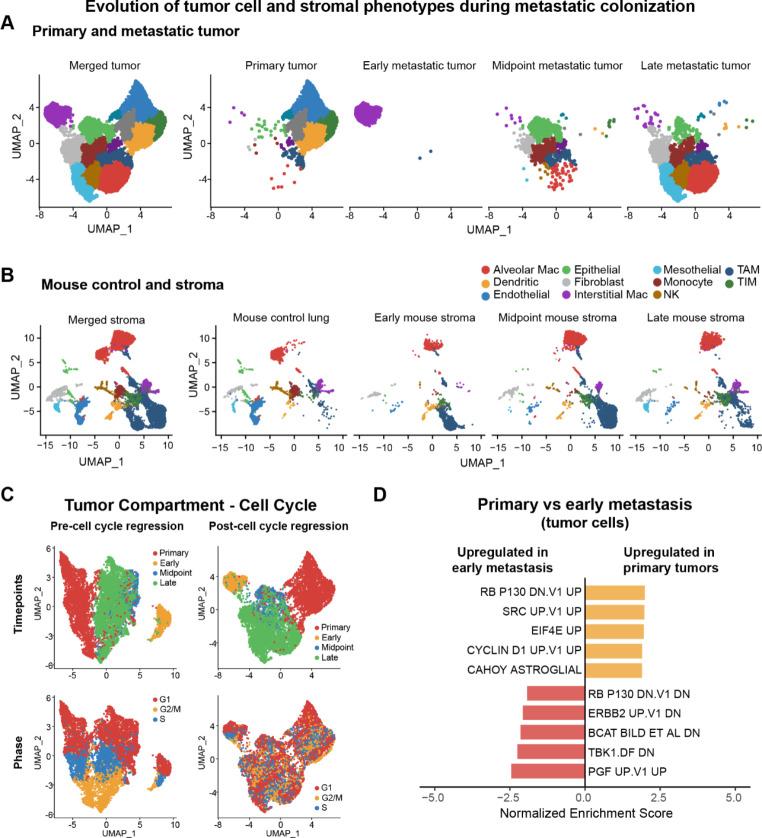
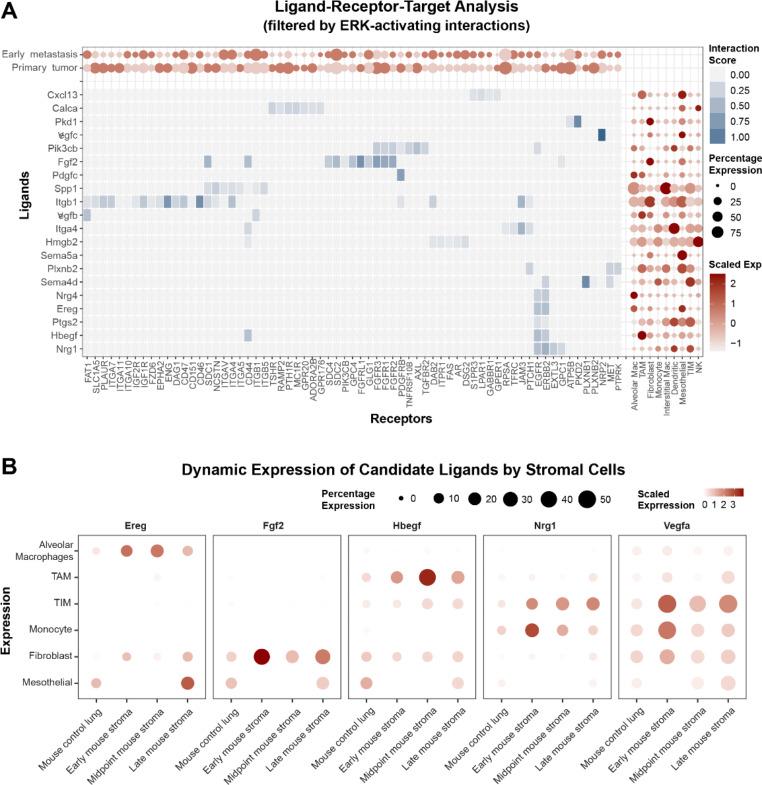
We analyzed single cell RNA-sequencing (scRNAseq) data from murine metastasis-bearing lungs to interrogate changes in both host and tumor cells during colonization. We used these data to elucidate pathways that become activated in cells that survive dissemination and identify candidate host-derived signals that drive activation. We validated these findings through live cell reporter systems, immunocytochemistry, and fluorescent immunohistochemistry. We then validated the functional relevance of key candidates using pharmacologic inhibition in models of metastatic osteosarcoma.
RESULTS
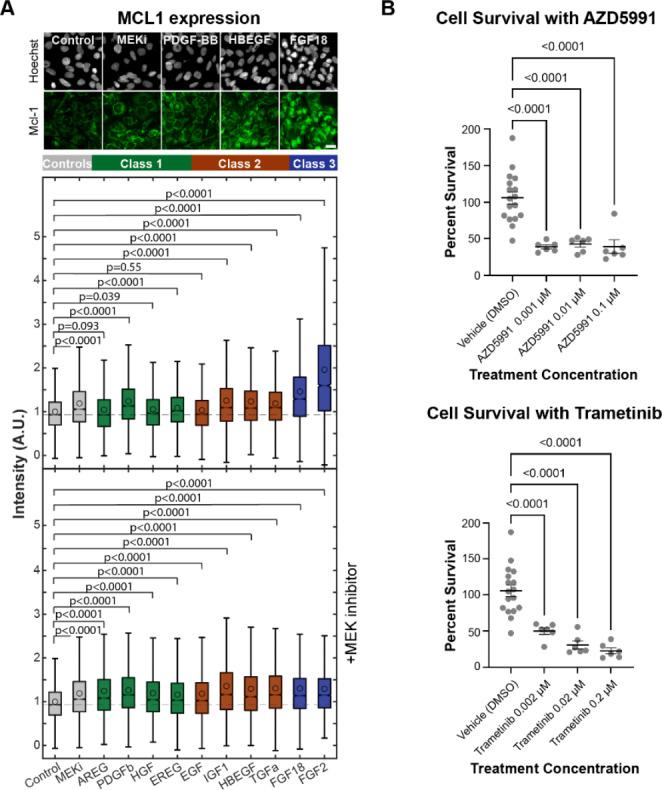
Expression patterns suggest that the MAPK pathway is significantly elevated in early and established metastases. MAPK activity correlates with expression of anti-apoptotic genes, especially MCL1. Niche cells produce growth factors that increase ERK phosphorylation and MCL1 expression in tumor cells. Both early and established metastases are vulnerable to MCL1 inhibition, but not MEK inhibition in vivo. Combining MCL1 inhibition with chemotherapy both prevented colonization and eliminated established metastases in murine models of osteosarcoma.
CONCLUSION
Niche-derived growth factors drive MAPK activity and MCL1 expression in osteosarcoma, promoting metastatic colonization. Although later metastases produce less MCL1, they remain dependent on it. MCL1 is a promising target for clinical trials in both human and canine patients.
目的
对于患有骨肉瘤的患者,疾病相关的死亡率通常是由于肺转移引起的——这是许多实体瘤共有的现象。虽然已确立的转移性病变表现出侵袭性,但到达肺部的肿瘤细胞中只有极少数能够存活下来。通过确定有助于播散肿瘤细胞存活的机制,我们可以开发预防和治疗转移的治疗策略。
方法
我们分析了来自带有转移的鼠肺的单细胞 RNA 测序(scRNAseq)数据,以探究在定植过程中宿主和肿瘤细胞的变化。我们利用这些数据阐明了在播散后存活的细胞中被激活的途径,并确定了驱动激活的候选宿主来源的信号。我们通过活细胞报告系统、免疫细胞化学和荧光免疫组织化学验证了这些发现。然后,我们使用药物抑制在转移性骨肉瘤模型中验证了关键候选物的功能相关性。
结果
表达模式表明,MAPK 途径在早期和已建立的转移中显著升高。MAPK 活性与抗凋亡基因(尤其是 MCL1)的表达相关。龛细胞产生的生长因子增加了肿瘤细胞中 ERK 磷酸化和 MCL1 的表达。早期和已建立的转移均对 MCL1 抑制敏感,但在体内对 MEK 抑制不敏感。在骨肉瘤的鼠模型中,将 MCL1 抑制与化疗相结合,既可以预防定植,也可以消除已建立的转移。
结论
龛来源的生长因子驱动骨肉瘤中的 MAPK 活性和 MCL1 表达,促进转移性定植。尽管后来的转移产生的 MCL1 较少,但它们仍然依赖于 MCL1。MCL1 是在人类和犬科患者中进行临床试验的一个有前途的靶点。




 Zotero 插件