
通过在水稻中表达木质素单体 4-O-甲基转移酶来同时抑制木质素、木樨草素和细胞壁结合型酚类物质的生物合成。
Simultaneous suppression of lignin, tricin and wall-bound phenolic biosynthesis via the expression of monolignol 4-O-methyltransferases in rice.
机构信息
Biology Department, Brookhaven Nation Laboratory, Upton, New York, USA.
Feedstocks Division, Joint BioEnergy Institute, Emeryville, CA, USA.
出版信息
Plant Biotechnol J. 2024 Feb;22(2):330-346. doi: 10.1111/pbi.14186. Epub 2023 Oct 5.
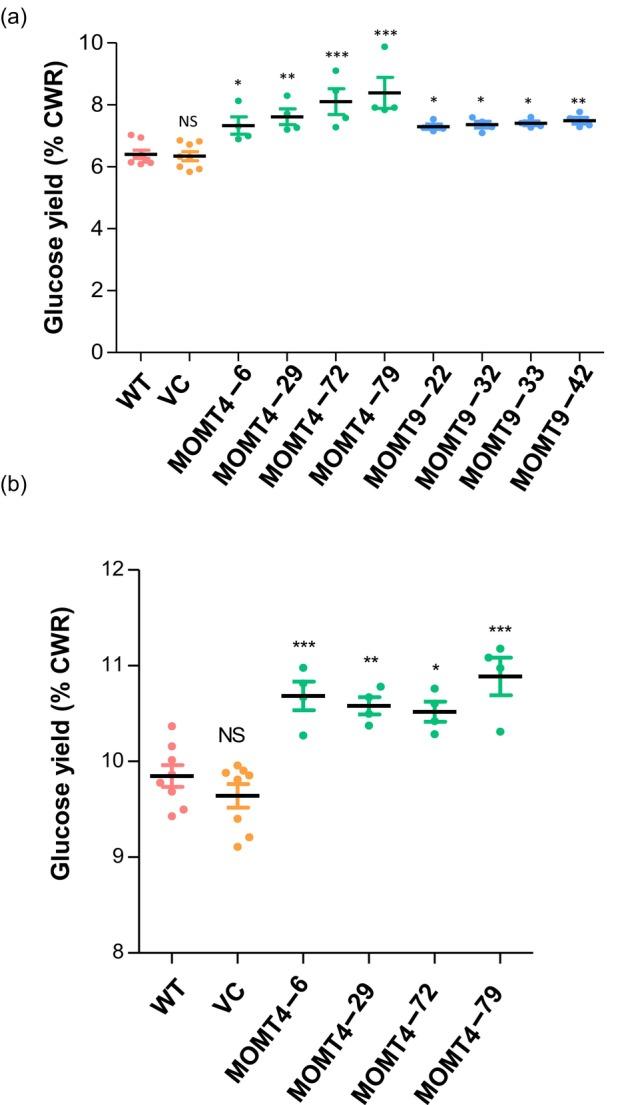
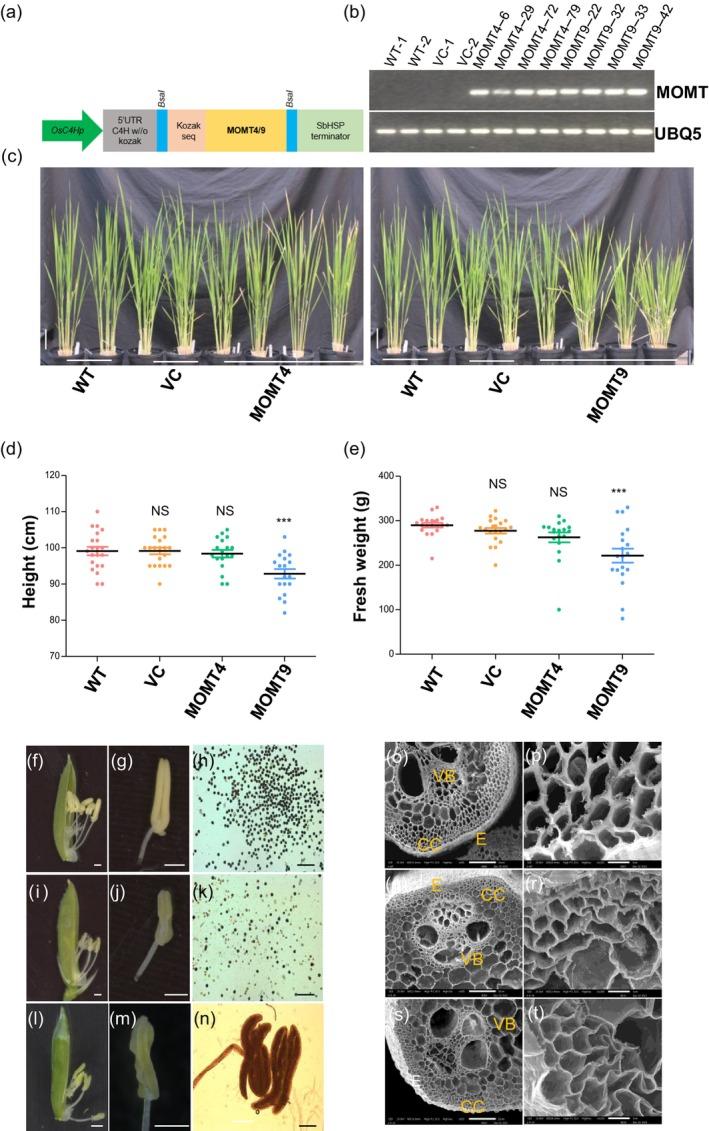
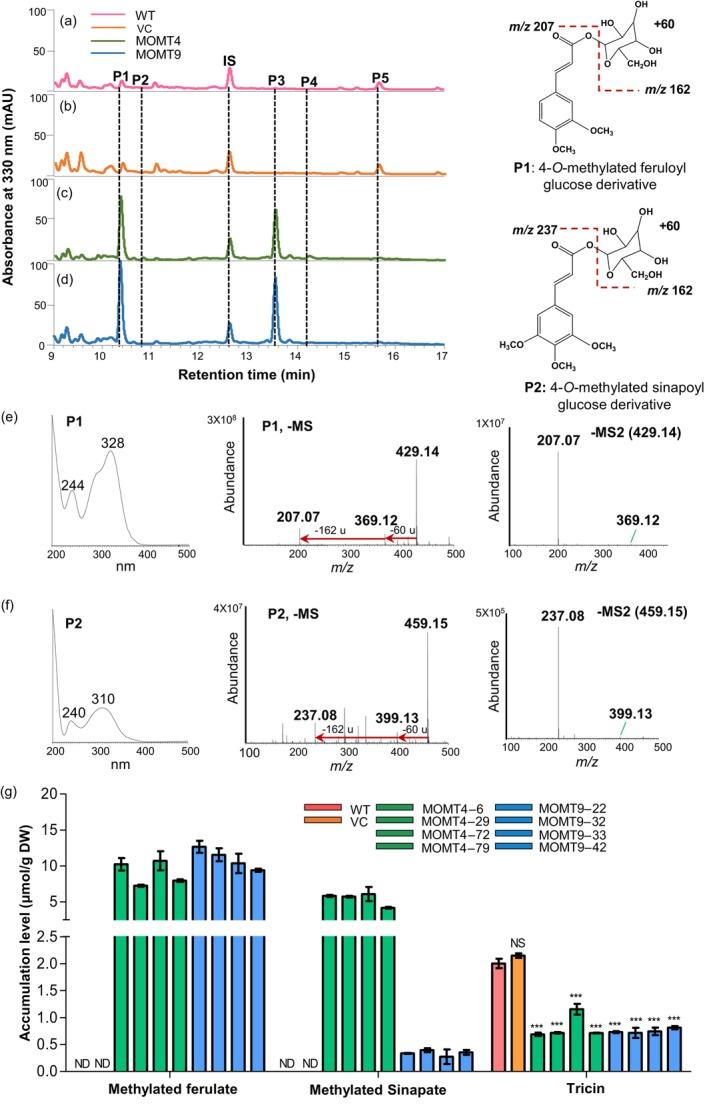
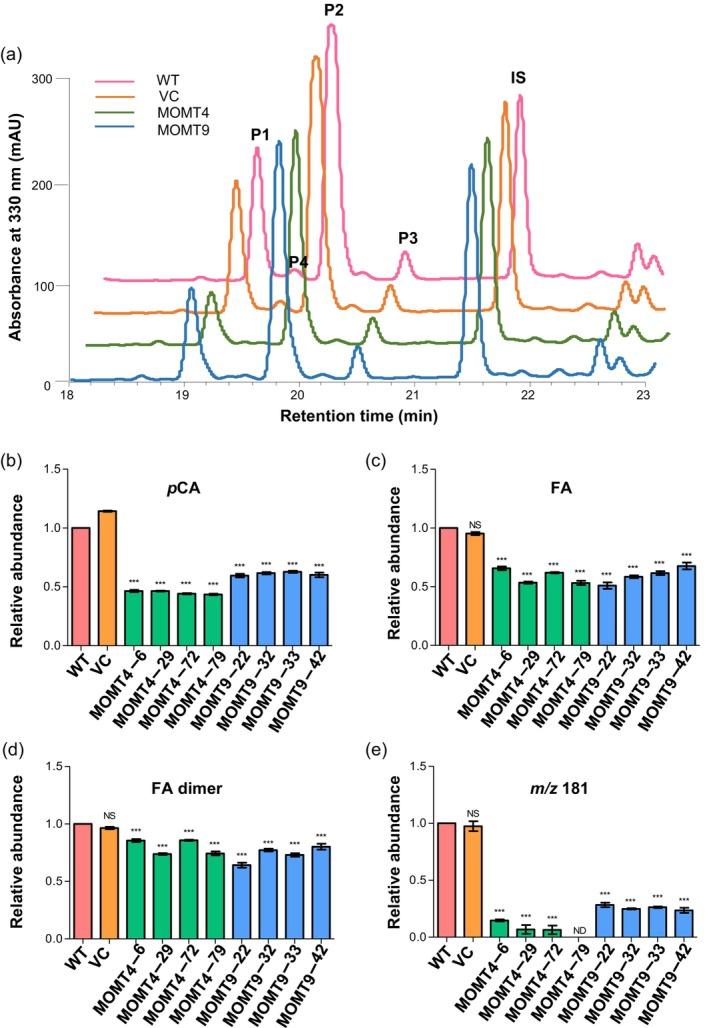
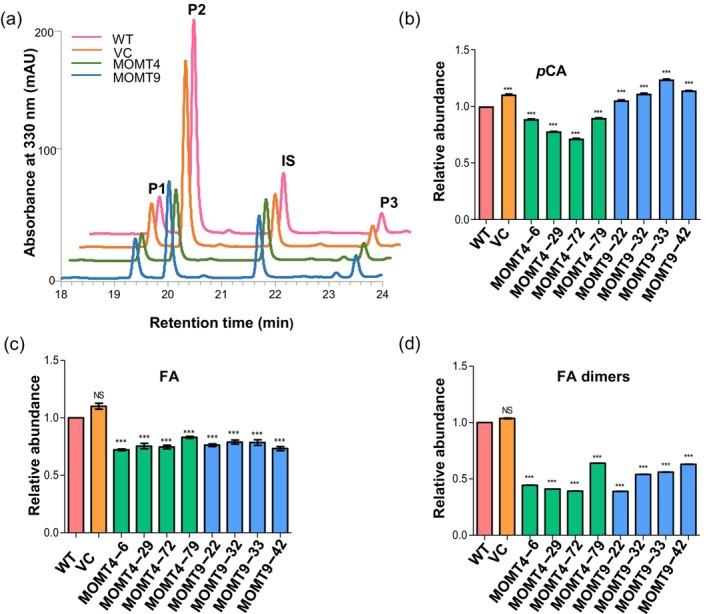
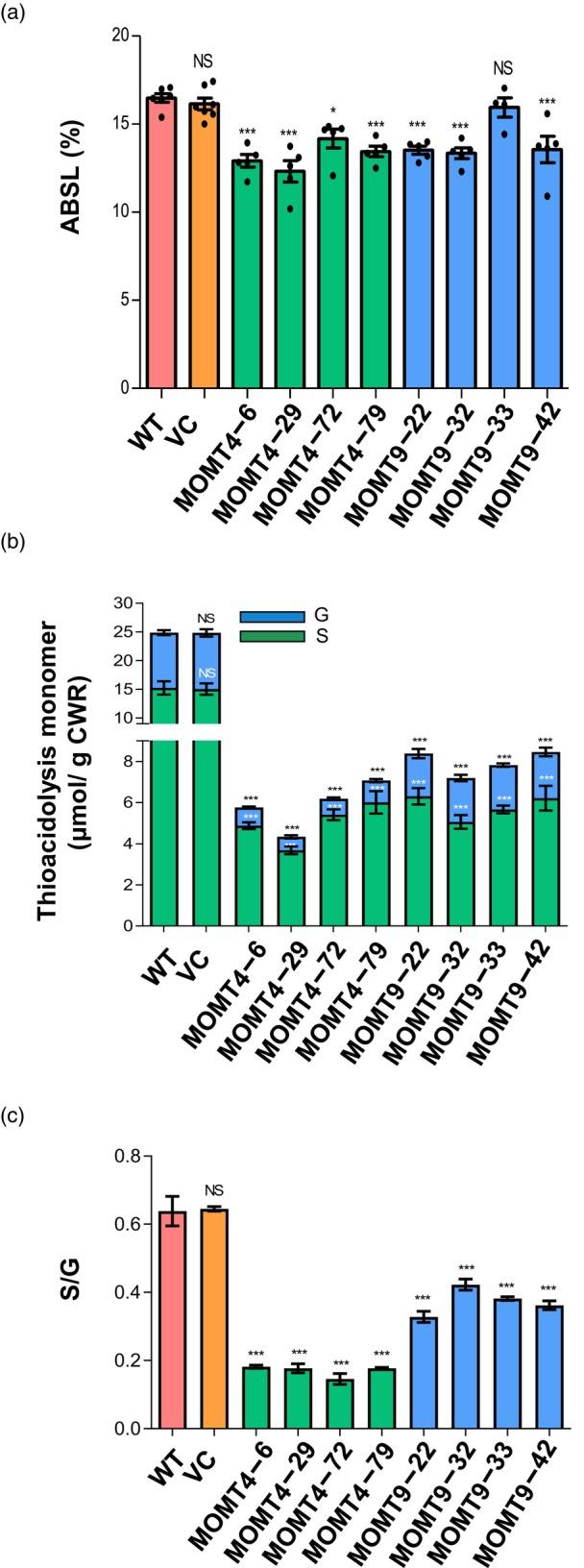
Grass lignocelluloses feature complex compositions and structures. In addition to the presence of conventional lignin units from monolignols, acylated monolignols and flavonoid tricin also incorporate into lignin polymer; moreover, hydroxycinnamates, particularly ferulate, cross-link arabinoxylan chains with each other and/or with lignin polymers. These structural complexities make grass lignocellulosics difficult to optimize for effective agro-industrial applications. In the present study, we assess the applications of two engineered monolignol 4-O-methyltransferases (MOMTs) in modifying rice lignocellulosic properties. Two MOMTs confer regiospecific para-methylation of monolignols but with different catalytic preferences. The expression of MOMTs in rice resulted in differential but drastic suppression of lignin deposition, showing more than 50% decrease in guaiacyl lignin and up to an 90% reduction in syringyl lignin in transgenic lines. Moreover, the levels of arabinoxylan-bound ferulate were reduced by up to 50%, and the levels of tricin in lignin fraction were also substantially reduced. Concomitantly, up to 11 μmol/g of the methanol-extractable 4-O-methylated ferulic acid and 5-7 μmol/g 4-O-methylated sinapic acid were accumulated in MOMT transgenic lines. Both MOMTs in vitro displayed discernible substrate promiscuity towards a range of phenolics in addition to the dominant substrate monolignols, which partially explains their broad effects on grass phenolic biosynthesis. The cell wall structural and compositional changes resulted in up to 30% increase in saccharification yield of the de-starched rice straw biomass after diluted acid-pretreatment. These results demonstrate an effective strategy to tailor complex grass cell walls to generate improved cellulosic feedstocks for the fermentable sugar-based production of biofuel and bio-chemicals.
草本木质纤维素具有复杂的组成和结构。除了存在来源于松柏醇单体的常规木质素单元外,酰化松柏醇单体和黄酮类化合物tricins 也会结合到木质素聚合物中;此外,羟基肉桂酸,特别是阿魏酸,会将阿拉伯木聚糖链彼此交联,或者与木质素聚合物交联。这些结构复杂性使得草本木质纤维素难以优化,以实现有效的农业工业应用。在本研究中,我们评估了两种工程化的松柏醇 4-O-甲基转移酶(MOMTs)在修饰水稻木质纤维素性质中的应用。两种 MOMTs 赋予松柏醇单体的对位特异性甲基化,但具有不同的催化偏好。在水稻中表达 MOMTs 导致木质素沉积的差异但剧烈的抑制,在转基因系中,愈创木质素减少 50%以上,丁香木质素减少 90%以上。此外,阿拉伯木聚糖结合的阿魏酸减少了 50%,木质素部分的tricins 水平也大幅降低。同时,甲醇提取物中 4-O-甲基化阿魏酸的积累量高达 11 μmol/g,4-O-甲基化芥子酸的积累量高达 5-7 μmol/g。两种 MOMTs 在体外对一系列酚类化合物表现出明显的底物混杂性,除了主要的底物松柏醇单体外,这部分解释了它们对草本酚类生物合成的广泛影响。细胞壁结构和组成的变化导致经稀酸预处理后的去淀粉稻草生物质的糖化产率提高了 30%。这些结果证明了一种有效的策略,可以对复杂的草本细胞壁进行剪裁,以生成改良的纤维素原料,用于基于可发酵糖的生物燃料和生物化学品生产。

 Zotero 插件