
2014-2019 年中国儿童急性下呼吸道感染常见人类冠状病毒的流行病学和临床特征的多中心分析。
Multicenter analysis of epidemiological and clinical features of pediatric acute lower respiratory tract infections associated with common human coronaviruses in China, 2014-2019.
机构信息
Beijing Key Laboratory of Pediatric Respiratory Infection Diseases, Key Laboratory of Major Diseases in Children, Ministry of Education, National Clinical Research Center for Respiratory Diseases, National Key Discipline of Pediatrics (Capital Medical University), Beijing Pediatric Research Institute, Beijing Children's Hospital, Capital Medical University, National Center for Children's Health, Beijing, 100045, China.
Research Unit of Critical Infection in Children, Chinese Academy of Medical Sciences, 2019RU016, Beijing, 100045, China.
出版信息
Virol J. 2023 Oct 10;20(1):229. doi: 10.1186/s12985-023-02198-6.
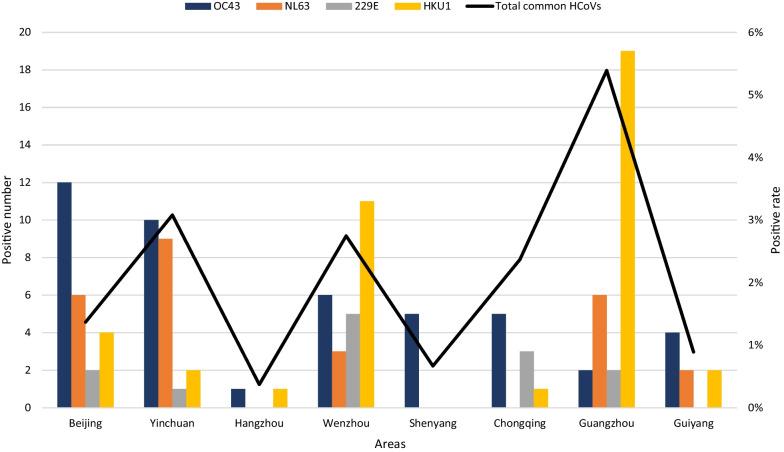
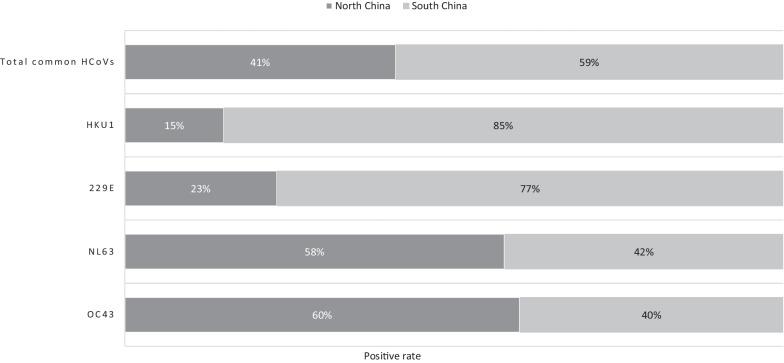
The common human coronaviruses (HCoVs) HCoV-229E, HCoV-OC43, HCoV-NL63, and HCoV-HKU1 which are members of the coronavirus family are long co-existed with humans and widely distributed globally. Common HCoVs usually cause mild, self-limited upper respiratory tract infections (URTI), and also associated with lower respiratory tract infections (LRTI), especially in children. However, there are little multicentre studies have been conducted in children of several different areas in China, and the epidemic potential of common HCoVs remains unclear. Understanding of the common HCoVs is valuable for clinical and public health. Herein, we retrospectively analysed the medical records of children with acute lower respiratory tract infection admitted to 9 hospitals from different regions in China from 2014 to 2019. Of the 124 patients who tested positive for coronaviruses, OC43 was the predominant type, accounting for 36.3% (45/124) of the detections. Children aged ≤ 6 months and 12-23 months had the highest detection rate of common HCoVs, and the detection rate gradually declined after 2 years old. These four HCoVs could be detected all year round. Among the areas of our study, the overall positive rate was higher in southern China, especially in Guangzhou (29/124, 23.4%). Moreover, common HCoV-positive patients were codetected with 9 other common respiratory pathogens. 229E (11/13, 84.6%) was the most frequently associated with codetection, with EV/RhV was the most frequently codetected virus. Cough (113/124, 91.1%) and fever (73/124, 58.9%) were the most common symptoms of common HCoVs infection.
人冠状病毒(HCoV)是冠状病毒科的成员,包括 HCoV-229E、HCoV-OC43、HCoV-NL63 和 HCoV-HKU1。这些病毒在人类中长期共存,并在全球范围内广泛分布。常见的 HCoV 通常引起轻度、自限性的上呼吸道感染(URTI),也与下呼吸道感染(LRTI)有关,尤其是在儿童中。然而,在中国的几个不同地区,针对儿童的多中心研究较少,常见 HCoV 的流行潜力仍不清楚。了解常见的 HCoV 对于临床和公共卫生都具有重要意义。本研究回顾性分析了 2014 年至 2019 年期间,来自中国不同地区的 9 家医院因急性下呼吸道感染而住院的儿童的病历。在 124 例冠状病毒检测阳性的患者中,OC43 是主要类型,占检测阳性患者的 36.3%(45/124)。年龄≤6 个月和 12-23 个月的儿童检测出常见 HCoV 的比例最高,2 岁后检测率逐渐下降。这四种 HCoV 全年均可检测到。在本研究地区中,南方地区的总阳性率较高,尤其是广州(29/124,23.4%)。此外,常见 HCoV 阳性患者还与其他 9 种常见呼吸道病原体共同检测。229E(11/13,84.6%)是最常与共同检测的病毒,最常共同检测到的病毒是 EV/RhV。咳嗽(113/124,91.1%)和发热(73/124,58.9%)是常见 HCoV 感染最常见的症状。




 Zotero 插件