
cgMSI:从纳米孔宏基因组测序数据中检测种内病原体。
cgMSI: pathogen detection within species from nanopore metagenomic sequencing data.
机构信息
School of Informatics, Xiamen University, Xiamen, Fujian, China.
Women and Children's Hospital, School of Medicine, Xiamen University, Xiamen, Fujian, China.
出版信息
BMC Bioinformatics. 2023 Oct 12;24(1):387. doi: 10.1186/s12859-023-05512-9.
BACKGROUND
Metagenomic sequencing is an unbiased approach that can potentially detect all the known and unidentified strains in pathogen detection. Recently, nanopore sequencing has been emerging as a highly potential tool for rapid pathogen detection due to its fast turnaround time. However, identifying pathogen within species is nontrivial for nanopore sequencing data due to the high sequencing error rate.
RESULTS
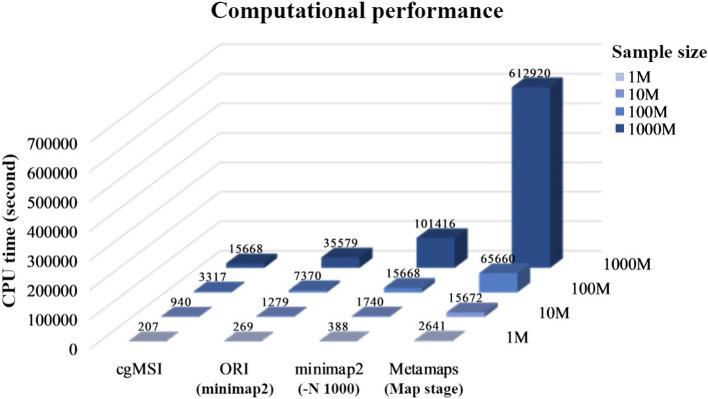
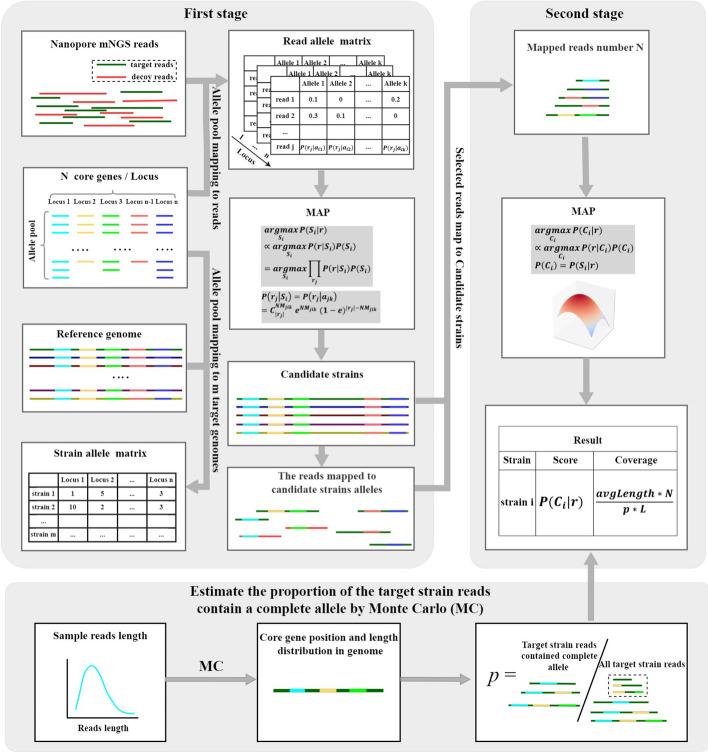
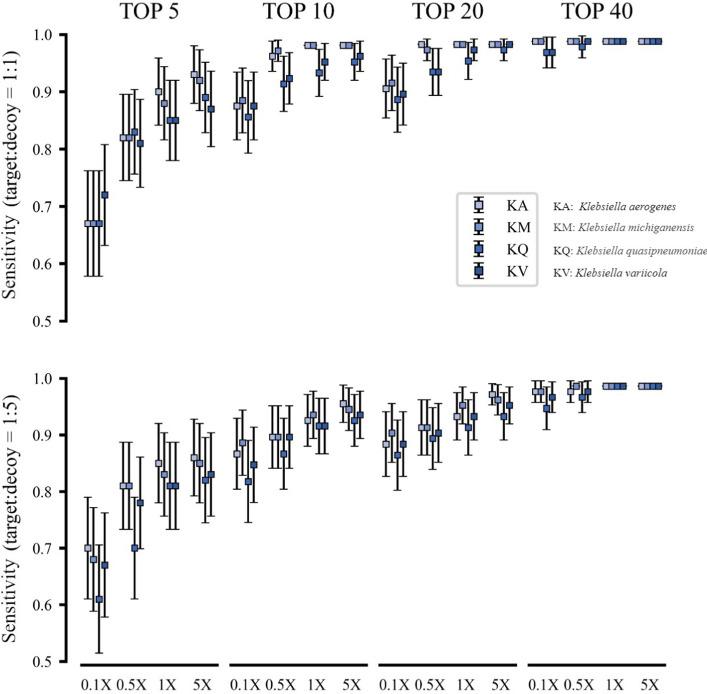
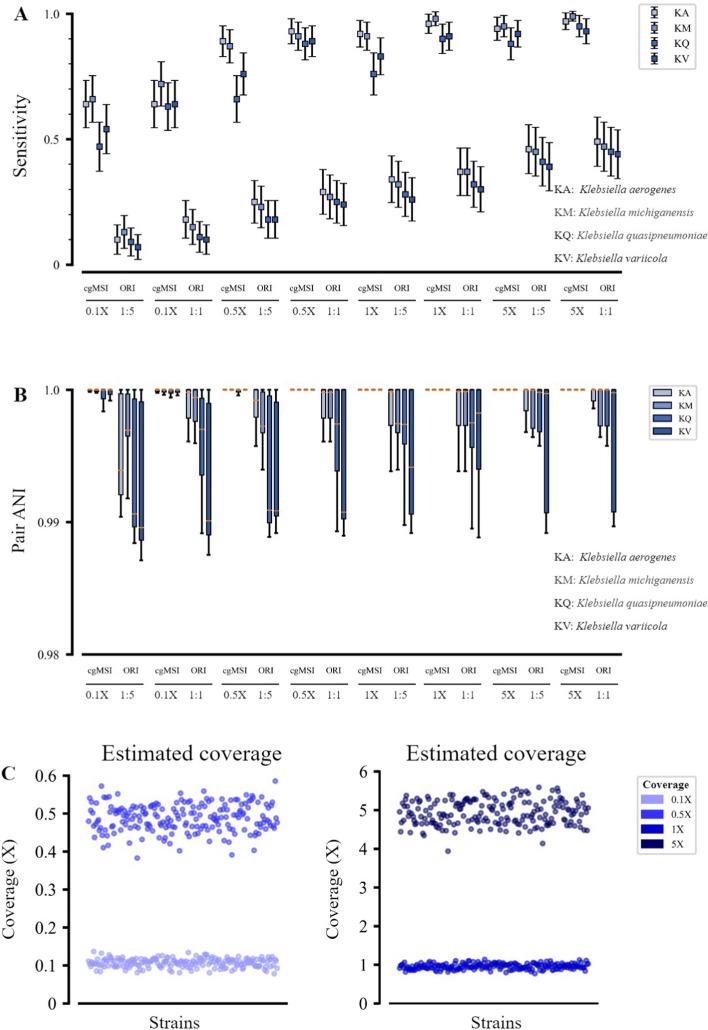
We developed the core gene alleles metagenome strain identification (cgMSI) tool, which uses a two-stage maximum a posteriori probability estimation method to detect pathogens at strain level from nanopore metagenomic sequencing data at low computational cost. The cgMSI tool can accurately identify strains and estimate relative abundance at 1× coverage.
CONCLUSIONS
We developed cgMSI for nanopore metagenomic pathogen detection within species. cgMSI is available at https://github.com/ZHU-XU-xmu/cgMSI .
背景
宏基因组测序是一种无偏的方法,有可能检测到病原体检测中所有已知和未知的菌株。最近,由于其快速周转时间,纳米孔测序作为一种很有前途的快速病原体检测工具而崭露头角。然而,由于测序错误率高,纳米孔测序数据中同种病原体的鉴定并不简单。
结果
我们开发了核心基因等位基因宏基因组菌株鉴定(cgMSI)工具,该工具使用两阶段最大后验概率估计方法,以较低的计算成本从纳米孔宏基因组测序数据中检测菌株水平的病原体。cgMSI 工具可以在 1×覆盖度下准确地鉴定菌株并估计相对丰度。
结论
我们开发了 cgMSI 用于同种病原体的纳米孔宏基因组病原体检测。cgMSI 可在 https://github.com/ZHU-XU-xmu/cgMSI 上获得。

 Zotero 插件