
健康立场文件及活性氧作为心脏保护的信号和靶点的氧化还原观点。
Health position paper and redox perspectives on reactive oxygen species as signals and targets of cardioprotection.
机构信息
Institute for Pathophysiology, West German Heart and Vascular Center, University of Duisburg-Essen, Essen, Germany.
Laboratory of Pharmacology, Faculty of Pharmacy, National and Kapodistrian University of Athens, Athens, Greece.
出版信息
Redox Biol. 2023 Nov;67:102894. doi: 10.1016/j.redox.2023.102894. Epub 2023 Oct 6.
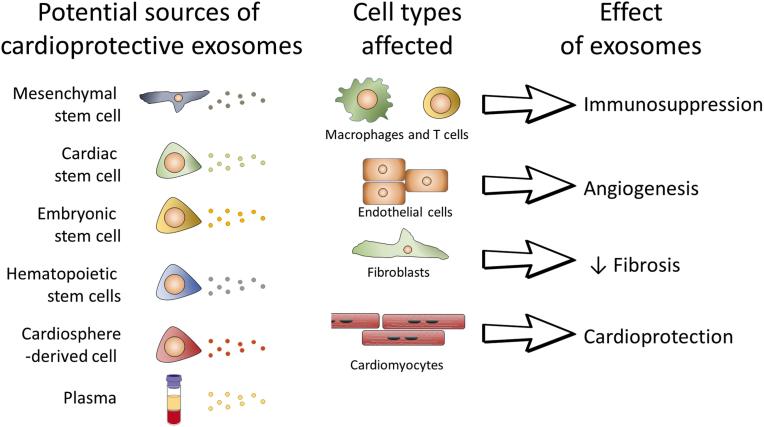
The present review summarizes the beneficial and detrimental roles of reactive oxygen species in myocardial ischemia/reperfusion injury and cardioprotection. In the first part, the continued need for cardioprotection beyond that by rapid reperfusion of acute myocardial infarction is emphasized. Then, pathomechanisms of myocardial ischemia/reperfusion to the myocardium and the coronary circulation and the different modes of cell death in myocardial infarction are characterized. Different mechanical and pharmacological interventions to protect the ischemic/reperfused myocardium in elective percutaneous coronary interventions and coronary artery bypass grafting, in acute myocardial infarction and in cardiotoxicity from cancer therapy are detailed. The second part keeps the focus on ROS providing a comprehensive overview of molecular and cellular mechanisms involved in ischemia/reperfusion injury. Starting from mitochondria as the main sources and targets of ROS in ischemic/reperfused myocardium, a complex network of cellular and extracellular processes is discussed, including relationships with Ca homeostasis, thiol group redox balance, hydrogen sulfide modulation, cross-talk with NAPDH oxidases, exosomes, cytokines and growth factors. While mechanistic insights are needed to improve our current therapeutic approaches, advancements in knowledge of ROS-mediated processes indicate that detrimental facets of oxidative stress are opposed by ROS requirement for physiological and protective reactions. This inevitable contrast is likely to underlie unsuccessful clinical trials and limits the development of novel cardioprotective interventions simply based upon ROS removal.
本综述总结了活性氧在心肌缺血/再灌注损伤和心脏保护中的有益和有害作用。第一部分强调了急性心肌梗死快速再灌注以外的心脏保护的持续需求。然后,描述了心肌缺血/再灌注对心肌和冠状动脉循环的病理机制以及心肌梗死中的不同细胞死亡模式。详细介绍了不同的机械和药理学干预措施,以保护选择性经皮冠状动脉介入治疗和冠状动脉旁路移植术、急性心肌梗死和癌症治疗中心肌毒性中的缺血/再灌注心肌。第二部分仍然关注 ROS,全面概述了缺血/再灌注损伤中涉及的分子和细胞机制。从作为缺血/再灌注心肌中 ROS 的主要来源和靶点的线粒体开始,讨论了一个复杂的细胞和细胞外过程网络,包括与钙稳态、巯基氧化还原平衡、硫化氢调节、与 NADPH 氧化酶、外泌体、细胞因子和生长因子的交叉对话的关系。虽然需要深入了解机制以改善我们当前的治疗方法,但对 ROS 介导过程的认识进展表明,氧化应激的有害方面与 ROS 对生理和保护反应的需求相矛盾。这种不可避免的对比可能是临床试验失败的基础,并限制了基于 ROS 清除的新型心脏保护干预措施的发展。





 Zotero 插件