
用于有效吸附和光催化降解染料的聚(丙烯酸-2-丙烯酰胺基-2-甲基-1-丙磺酸)接枝壳聚糖水凝胶
Poly(acrylic acid--2-acrylamido-2-methyl-1-propanesulfonic acid)-grafted chitosan hydrogels for effective adsorption and photocatalytic degradation of dyes.
作者信息
Phonlakan Kunlarat, Meetam Panjalak, Chonlaphak Rungthip, Kongseng Piyawan, Chantarak Sirinya, Budsombat Surangkhana
机构信息
Department of Chemistry and Center of Excellence for Innovation in Chemistry, Faculty of Science, Khon Kaen University Khon Kaen 40002 Thailand
Division of Physical Science, Faculty of Science, Prince of Songkla University Hat Yai Songkhla 90110 Thailand.
出版信息
RSC Adv. 2023 Oct 23;13(44):31002-31016. doi: 10.1039/d3ra05596e. eCollection 2023 Oct 18.
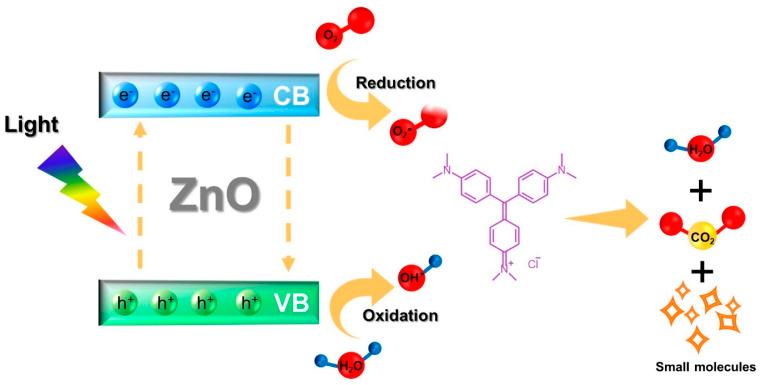
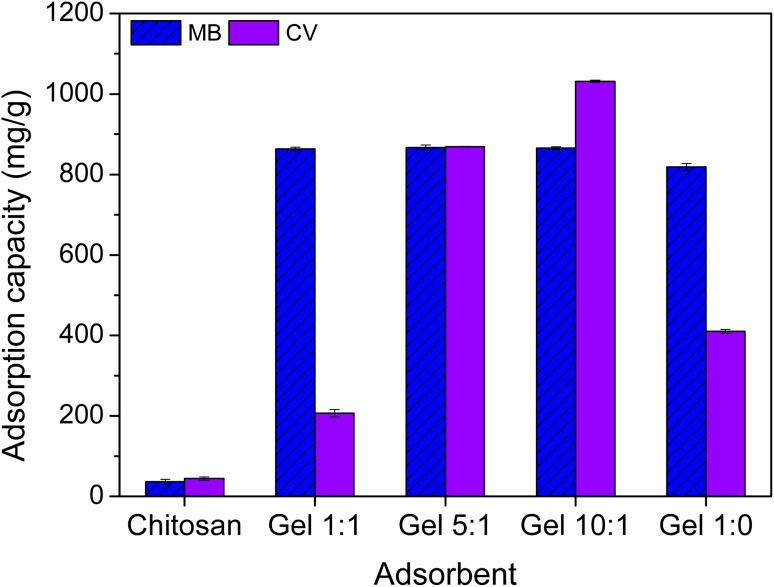
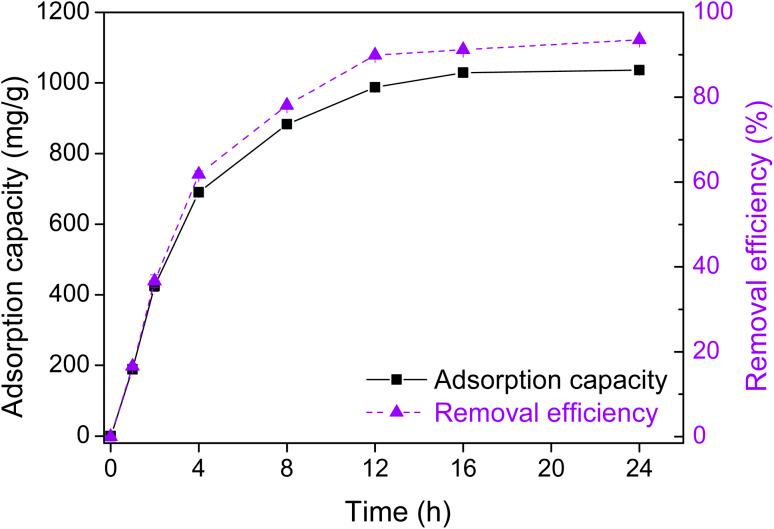
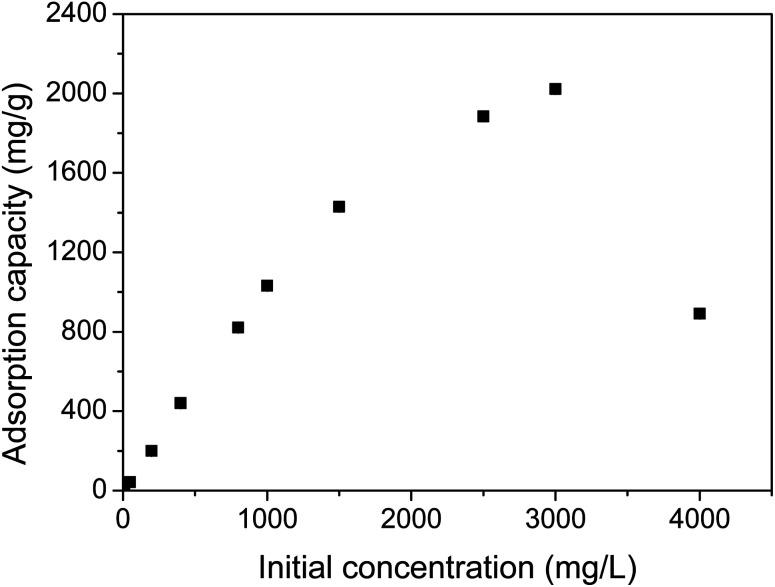
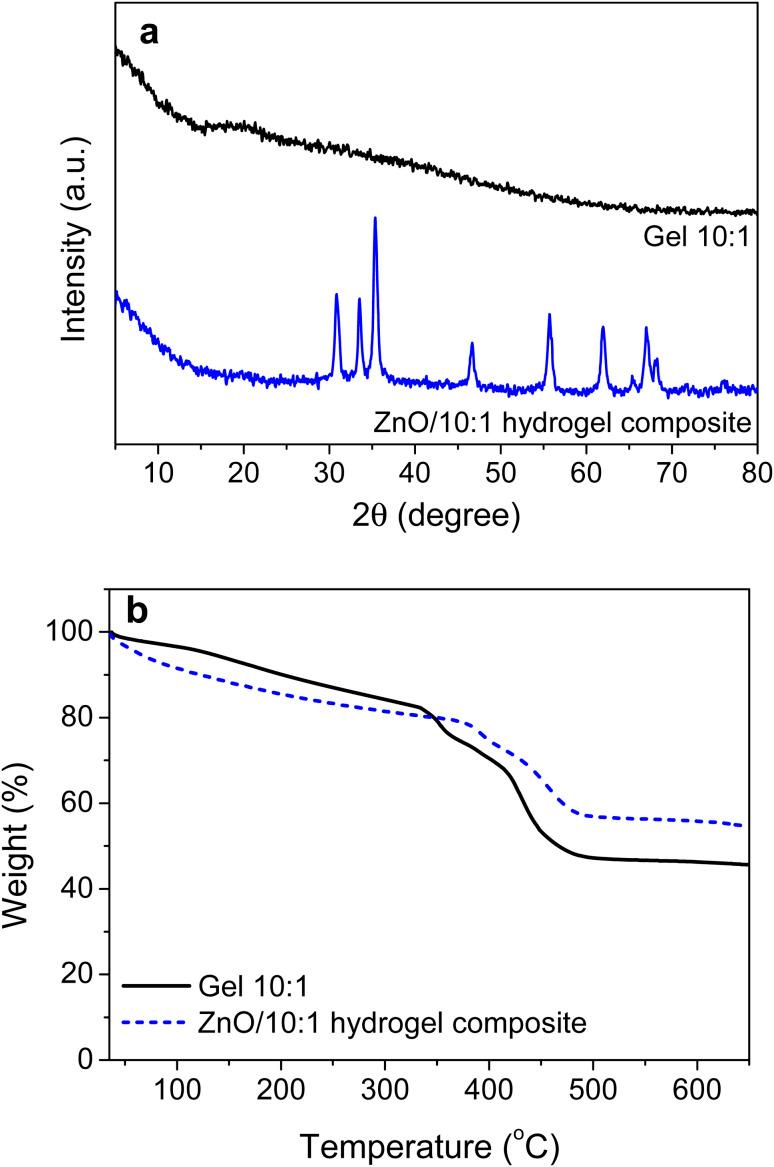
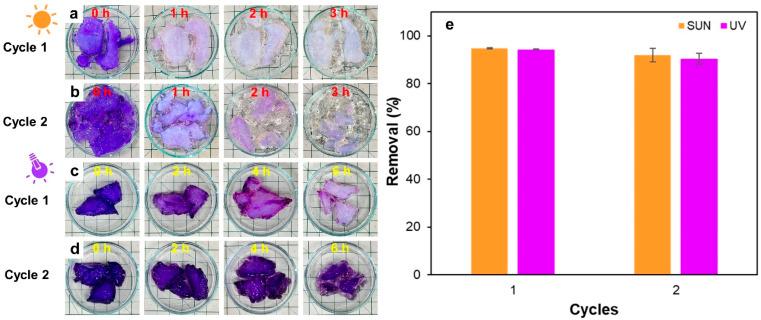
As a result of the growth of industrialization and urbanization, the water ecosystem is contaminated by various pollutants, including heavy metal ions and dyes. The use of low-cost and environmentally friendly dye adsorbents has been investigated. A hydrogel was fabricated graft polymerization of acrylic acid (AA) and 2-acrylamido-2-methyl-1-propanesulfonic acid (AMPS) onto chitosan. The hydrogel was used as a dye adsorbent and support for a zinc oxide (ZnO) powder photocatalyst. The adsorption capacity of the bare hydrogel was greater towards cationic dyes than anionic dyes. Grafting P(AA--AMPS) exhibited a 23-time increase in adsorption capacity towards crystal violet (CV) compared to pristine chitosan. The effect of the AA-AMPS molar ratio on CV adsorption was studied. A hydrogel with an AA-AMPS ratio of 10 : 1 had the highest adsorption capacity towards CV in water, removing 91% of the dye in 12 h. The maximum adsorption capacity was 2023 mg g. The adsorption kinetics and isotherm were described by the pseudo-second-order model and the Langmuir model, respectively. ZnO particles were synthesized within the 10 : 1 hydrogel to facilitate the recovery of the photocatalyst. The ZnO hydrogel composite could remove 95% and 92% of CV from solutions on the 1st and 2nd cycle, respectively. In addition, the hydrogel composite containing only 8.7 wt% of ZnO particles effectively degraded adsorbed CV under sunlight and could be reused without requiring a chemical regeneration or photocatalyst recovery procedure. This hydrogel composite is an effective dual-functional material for the adsorption and photodegradation of dye pollutants in wastewater.
由于工业化和城市化的发展,水生态系统受到各种污染物的污染,包括重金属离子和染料。人们对使用低成本且环保的染料吸附剂进行了研究。通过将丙烯酸(AA)和2-丙烯酰胺基-2-甲基-1-丙烷磺酸(AMPS)接枝聚合到壳聚糖上制备了一种水凝胶。该水凝胶用作染料吸附剂和氧化锌(ZnO)粉末光催化剂的载体。裸水凝胶对阳离子染料的吸附能力比对阴离子染料更强。与原始壳聚糖相比,接枝P(AA-AMPS)对结晶紫(CV)的吸附能力提高了23倍。研究了AA-AMPS摩尔比对CV吸附的影响。AA-AMPS比例为10∶1的水凝胶对水中CV的吸附能力最高,在12小时内去除了91%的染料。最大吸附容量为2023 mg/g。吸附动力学和等温线分别用伪二级模型和朗缪尔模型描述。在10∶1的水凝胶中合成了ZnO颗粒,以促进光催化剂的回收。ZnO水凝胶复合材料在第一个和第二个循环中分别可以从溶液中去除95%和92%的CV。此外,仅含有8.7 wt% ZnO颗粒的水凝胶复合材料在阳光下能有效降解吸附的CV,并且无需化学再生或光催化剂回收程序即可重复使用。这种水凝胶复合材料是一种用于废水中染料污染物吸附和光降解的有效双功能材料。







 Zotero 插件