
通过添加植物纤维加速聚乳酸的生物降解:近期进展综述
Accelerating the Biodegradation of Poly(lactic acid) through the Inclusion of Plant Fibers: A Review of Recent Advances.
作者信息
Momeni Sina, Craplewe Kaylee, Safder Muhammad, Luz Sandra, Sauvageau Dominic, Elias Anastasia
机构信息
Department of Chemical and Materials Engineering, University of Alberta, Edmonton, Alberta T6G 1H9, Canada.
Department of Automotive Engineering, University of Brasília, Brasília 70910-900, Brazil.
出版信息
ACS Sustain Chem Eng. 2023 Oct 10;11(42):15146-15170. doi: 10.1021/acssuschemeng.3c04240. eCollection 2023 Oct 23.
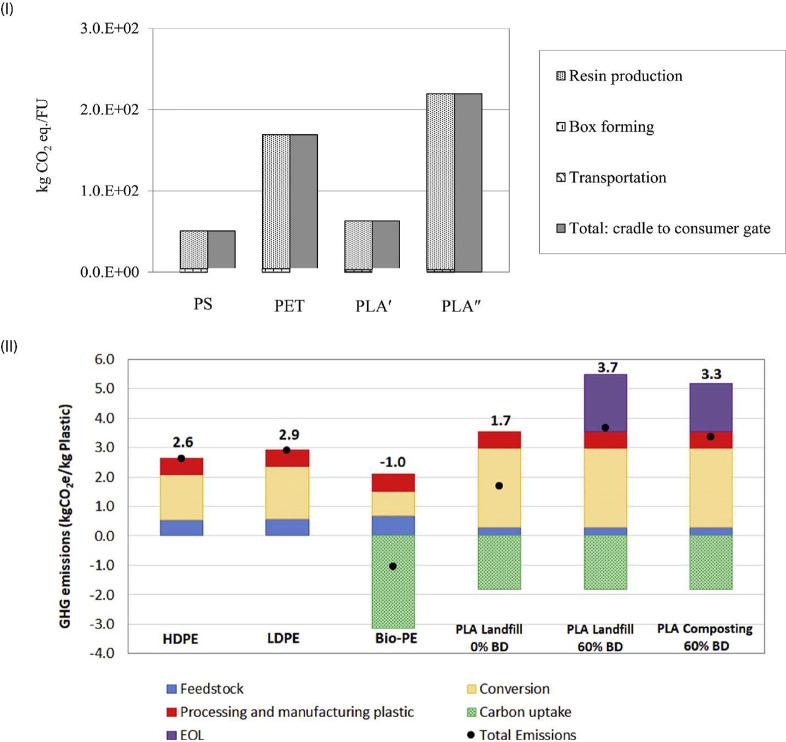
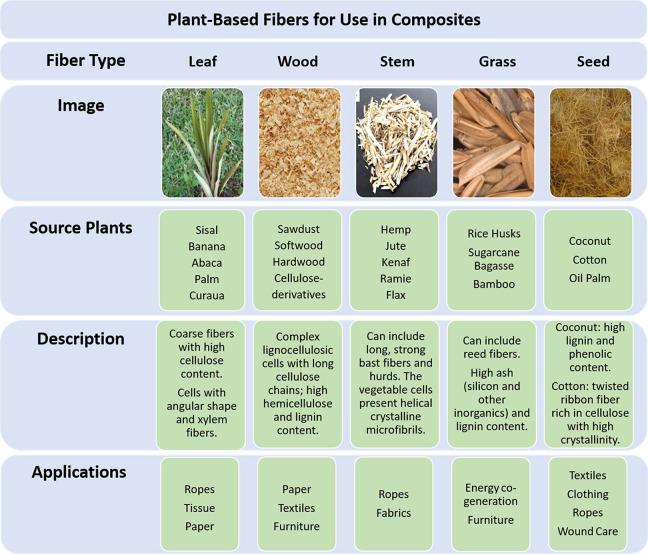
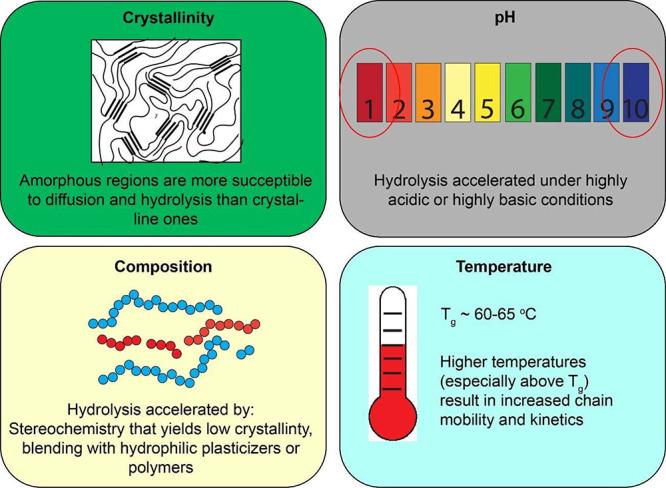
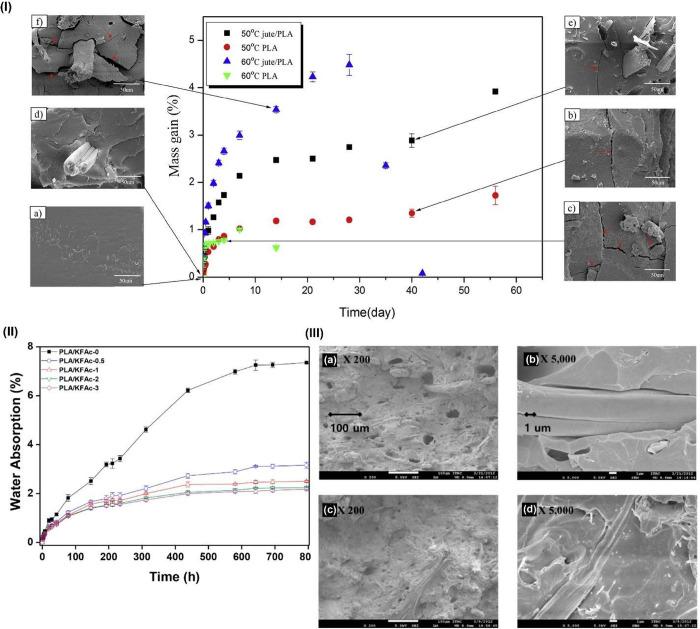
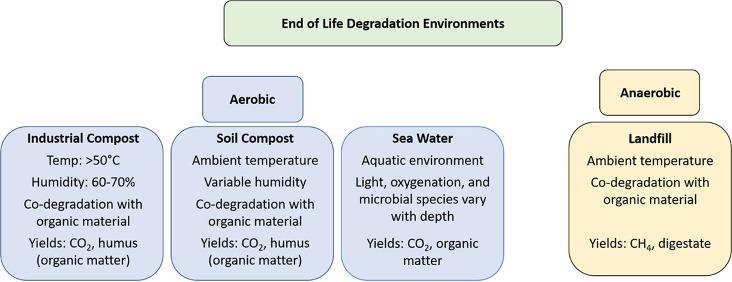
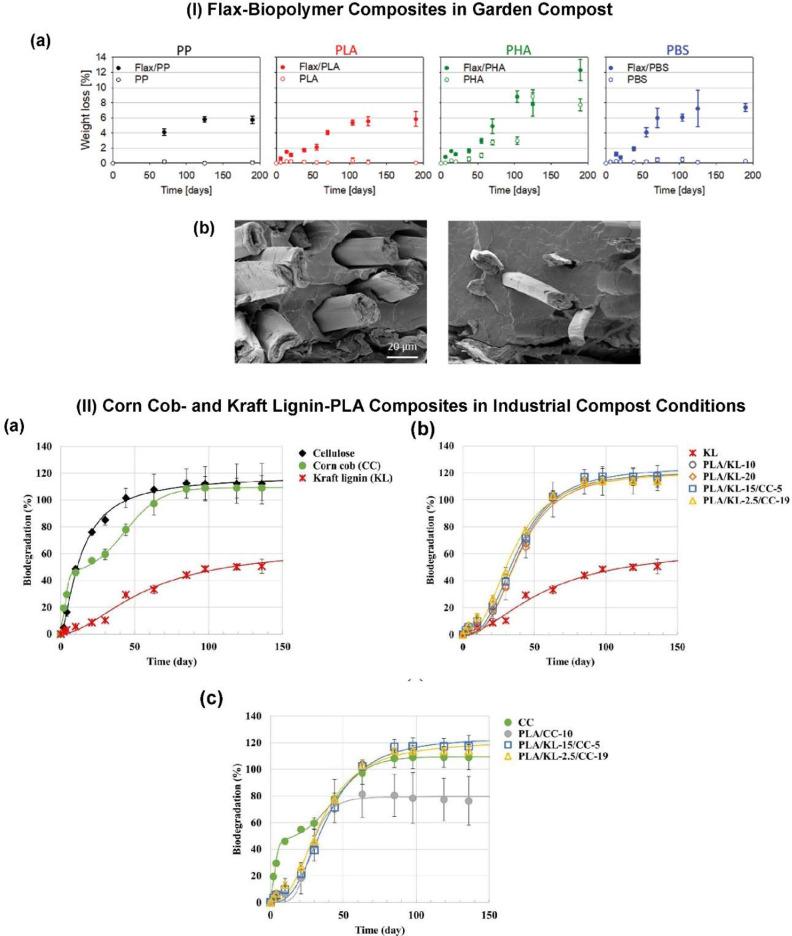
As the global demand for plastics continues to grow, plastic waste is accumulating at an alarming rate with negative effects on the natural environment. The industrially compostable biopolymer poly(lactic acid) (PLA) is therefore being adopted for use in many applications, but the degradation of this material is slow under many end-of-life conditions. This Perspective explores the feasibility of accelerating the degradation of PLA through the formation of PLA-plant fiber composites. Topics include: (a) key properties of PLA, plant-based fibers, and biocomposites; (b) mechanisms of both hydrolytic degradation and biodegradation of PLA-fiber composites; (c) end-of-life degradation of PLA and PLA-plant fiber composites in aerobic and anaerobic conditions, relevant to compost, soil and seawater (aerobic), and landfills (anaerobic); and (d) sustainability and environmental impact of PLA and PLA-plant fiber composites, as evaluated using life cycle assessment. Additional degradation modes, including thermal and photodegradation, which are relevant during processing and use, have been omitted for clarity, as have other types of PLA biocomposites. Multiple studies have shown that the addition of some types of plant fibers to PLA (to form PLA biocomposites) accelerates both water transport in the material and hydrolysis, presenting a possible avenue for improving the end-of-life degradation of these materials. To facilitate the continued development of materials with enhanced biodegradability, we identify a need to implement testing protocols that can distinguish between different degradation mechanisms.
随着全球对塑料的需求持续增长,塑料垃圾正以惊人的速度堆积,对自然环境产生负面影响。因此,工业上可堆肥的生物聚合物聚乳酸(PLA)正被应用于许多领域,但这种材料在许多报废条件下的降解速度很慢。本观点探讨了通过形成PLA-植物纤维复合材料来加速PLA降解的可行性。主题包括:(a)PLA、植物基纤维和生物复合材料的关键特性;(b)PLA-纤维复合材料的水解降解和生物降解机制;(c)PLA和PLA-植物纤维复合材料在有氧和无氧条件下的报废降解,与堆肥、土壤和海水(有氧)以及垃圾填埋场(无氧)相关;(d)使用生命周期评估评估PLA和PLA-植物纤维复合材料的可持续性和环境影响。为了清晰起见,省略了在加工和使用过程中相关的其他降解模式,包括热降解和光降解,以及其他类型的PLA生物复合材料。多项研究表明,向PLA中添加某些类型的植物纤维(以形成PLA生物复合材料)可加速材料中的水分传输和水解,为改善这些材料的报废降解提供了一条可能的途径。为了促进具有更高生物降解性的材料的持续开发,我们发现需要实施能够区分不同降解机制的测试方案。





 Zotero 插件