
非基因组衰老标志——综述
Non-Genomic Hallmarks of Aging-The Review.
机构信息
Institute of Preventive Medicine, Faculty of Medicine in Hradec Kralove, Charles University, 500 03 Hradec Kralove, Czech Republic.
Department of Clinical Biochemistry and Diagnostics, University Hospital, Faculty of Medicine in Hradec Kralove, Charles University, 500 03 Hradec Kralove, Czech Republic.
出版信息
Int J Mol Sci. 2023 Oct 23;24(20):15468. doi: 10.3390/ijms242015468.
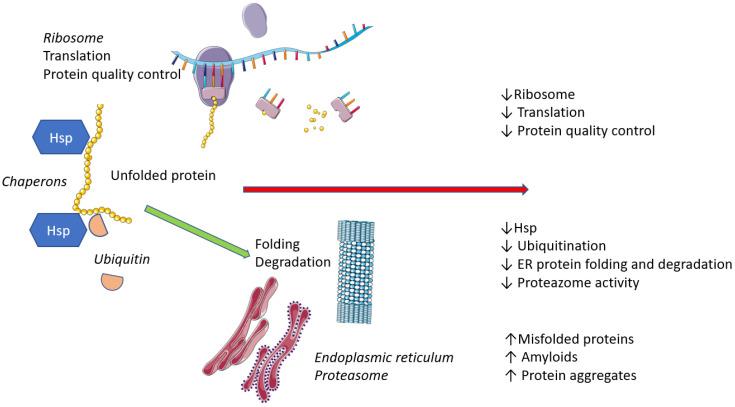
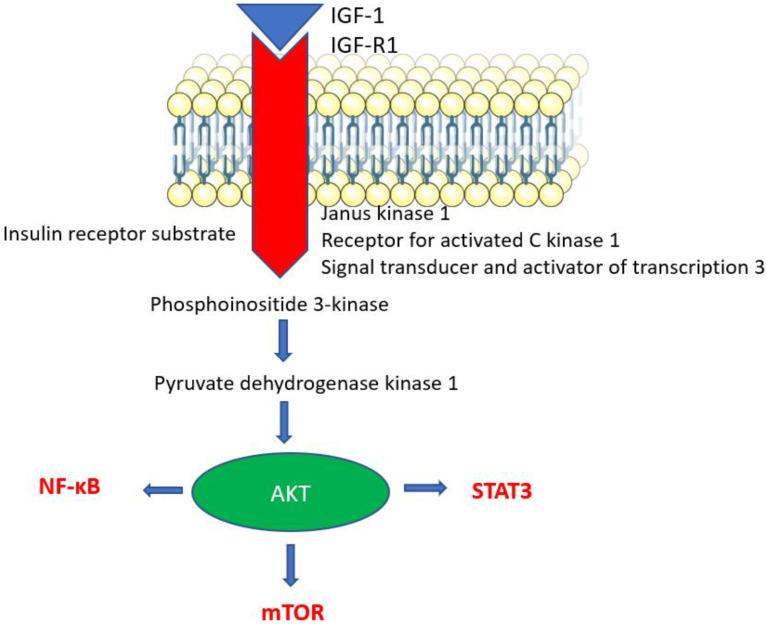
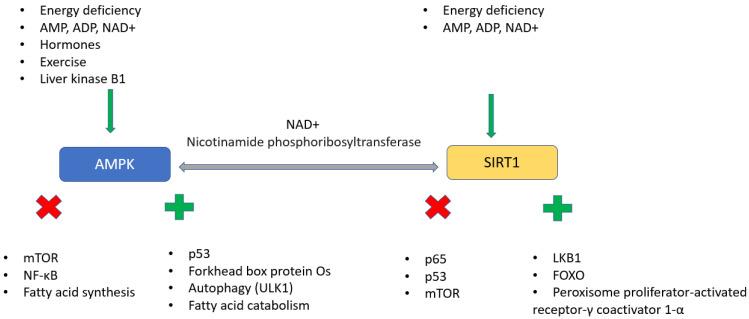
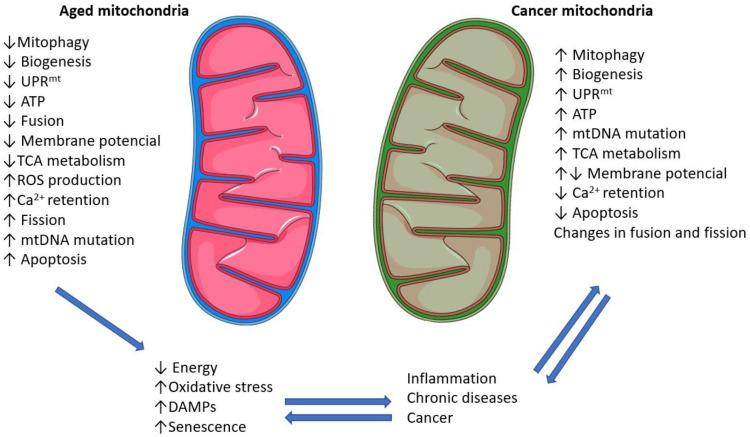
Aging is a natural, gradual, and inevitable process associated with a series of changes at the molecular, cellular, and tissue levels that can lead to an increased risk of many diseases, including cancer. The most significant changes at the genomic level (DNA damage, telomere shortening, epigenetic changes) and non-genomic changes are referred to as hallmarks of aging. The hallmarks of aging and cancer are intertwined. Many studies have focused on genomic hallmarks, but non-genomic hallmarks are also important and may additionally cause genomic damage and increase the expression of genomic hallmarks. Understanding the non-genomic hallmarks of aging and cancer, and how they are intertwined, may lead to the development of approaches that could influence these hallmarks and thus function not only to slow aging but also to prevent cancer. In this review, we focus on non-genomic changes. We discuss cell senescence, disruption of proteostasis, deregualation of nutrient sensing, dysregulation of immune system function, intercellular communication, mitochondrial dysfunction, stem cell exhaustion and dysbiosis.
衰老是一个自然的、渐进的和不可避免的过程,与分子、细胞和组织水平的一系列变化有关,这些变化可能会导致许多疾病的风险增加,包括癌症。在基因组水平上(DNA 损伤、端粒缩短、表观遗传变化)和非基因组变化方面,最显著的变化被称为衰老的标志。衰老和癌症的标志相互交织。许多研究都集中在基因组标志上,但非基因组标志也很重要,它们可能会导致基因组损伤,并增加基因组标志的表达。了解衰老和癌症的非基因组标志,以及它们是如何相互交织的,可能会导致开发出能够影响这些标志的方法,从而不仅能够减缓衰老,还能够预防癌症。在这篇综述中,我们专注于非基因组变化。我们讨论了细胞衰老、蛋白质平衡的破坏、营养感应的失调、免疫系统功能的失调、细胞间通讯、线粒体功能障碍、干细胞衰竭和微生态失调。



 Zotero 插件