
通过对 CrcZ 假回复突变体的研究进行碳代谢物阻遏的遗传分析表明,Crc 介导的代谢稳健性对于细菌毒力和抗生素耐药性的充分发挥是必要的。
genetic analysis of carbon catabolic repression through the study of CrcZ pseudo-revertants shows that Crc-mediated metabolic robustness is needed for proficient bacterial virulence and antibiotic resistance.
机构信息
Centro Nacional de Biotecnología, CSIC , Madrid, Spain.
出版信息
Microbiol Spectr. 2023 Dec 12;11(6):e0235023. doi: 10.1128/spectrum.02350-23. Epub 2023 Oct 30.
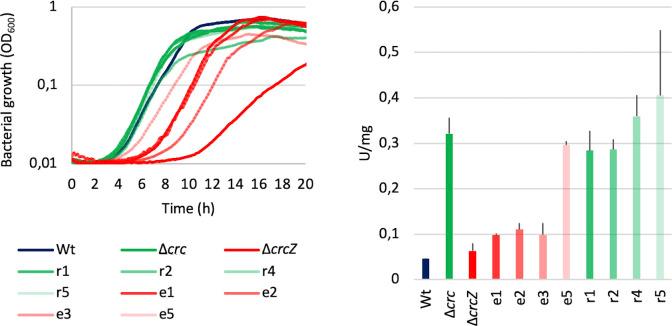
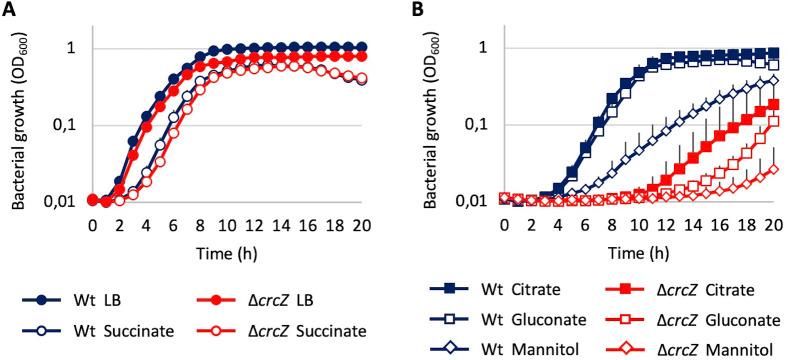
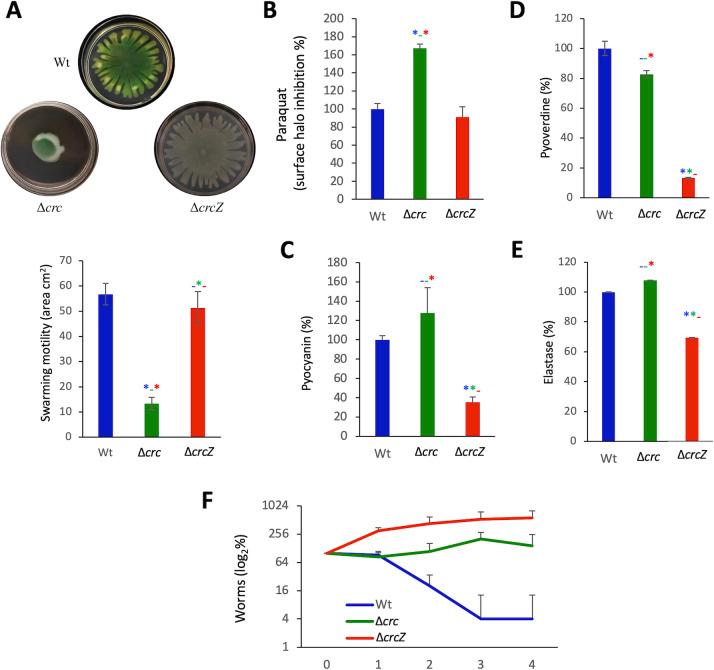
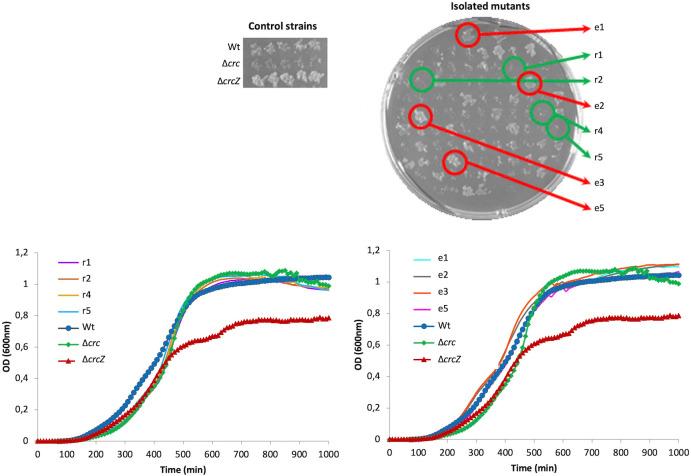
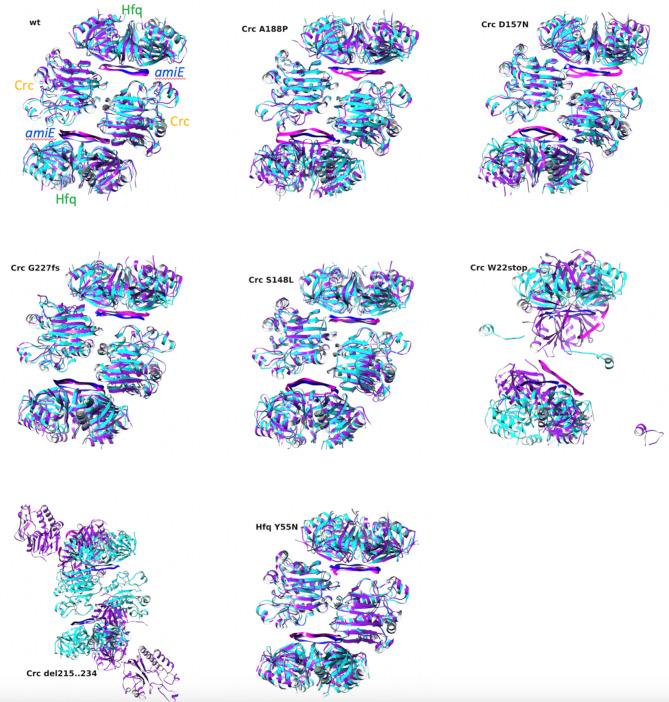
Hfq and Crc regulate carbon catabolic repression at the post-transcriptional level. work has shown that Hfq binds the target RNAs and Crc stabilizes the complex. A third element in the regulation is the small RNA CrcZ, which sequesters the Crc-Hfq complex under no catabolic repression conditions, allowing the translation of the target mRNAs. A Δ mutant was generated and presented fitness defects and alterations in its virulence potential and antibiotic resistance. Eight pseudo-revertants that present different degrees of fitness compensation were selected. Notably, although Hfq is the RNA binding protein, most mutations occurred in Crc. This indicates that Crc is strictly needed for efficient carbon catabolic repression . The compensatory mutations restore in a different degree the alterations in antibiotic susceptibility and virulence of the Δ mutant, supporting that Crc plays a fundamental role linking metabolic robustness, virulence, and antibiotic resistance.
Hfq 和 Crc 在转录后水平调节碳分解代谢阻遏。研究表明,Hfq 结合靶 RNA,Crc 稳定复合物。调节的第三个因素是小 RNA CrcZ,它在没有分解代谢阻遏的情况下隔离 Crc-Hfq 复合物,从而允许靶 mRNA 的翻译。生成了一个 Δ 突变体,并表现出适应性缺陷和毒力潜力以及抗生素抗性的改变。选择了八个呈现不同程度适应性补偿的假回复突变体。值得注意的是,尽管 Hfq 是 RNA 结合蛋白,但大多数突变发生在 Crc 中。这表明 Crc 严格需要有效的碳分解代谢阻遏。代偿性突变以不同程度恢复了 Δ 突变体对抗生素敏感性和毒力的改变,这表明 Crc 起着连接代谢稳健性、毒力和抗生素抗性的基本作用。

 Zotero 插件