
网络荟萃分析 7 种针灸疗法治疗膝骨关节炎。
Network meta-analysis of 7 acupuncture therapies for knee osteoarthritis.
机构信息
School of Acupuncture-Moxibustion and Orthopedics, Hubei University of Chinese Medicine, Wuhan, China.
Wuhan Hospital of Traditional Chinese Medicine, Wuhan, China.
出版信息
Medicine (Baltimore). 2023 Oct 27;102(43):e35670. doi: 10.1097/MD.0000000000035670.
OBJECTIVE
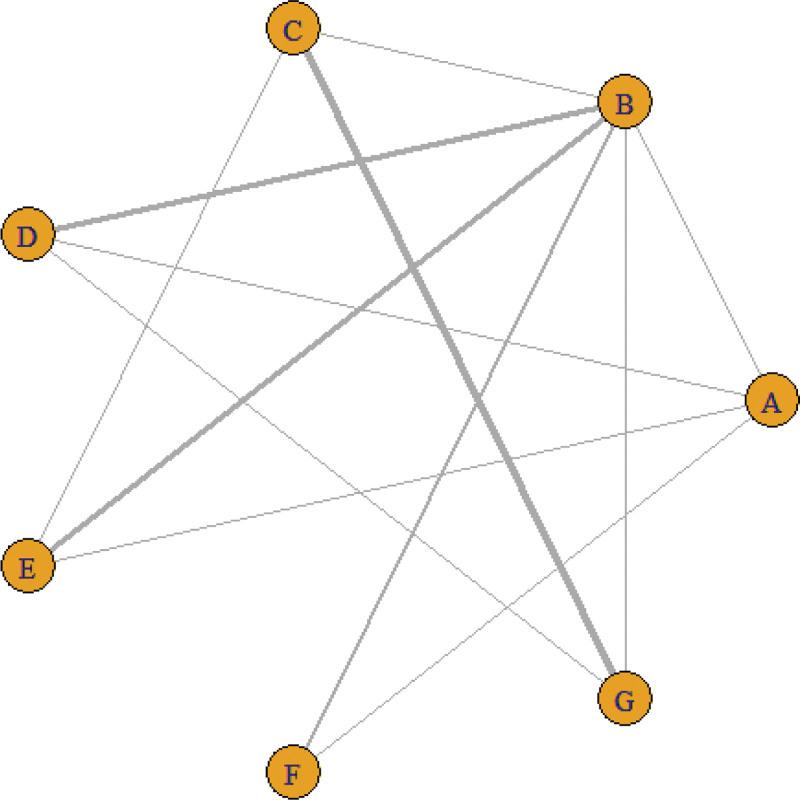
With the progression of society aging demographic, the prevalence of knee osteoarthritis (KOA) continues to rise steadily, exerting a significant impact on individuals' quality of life. Acupuncture therapy has garnered extensive utilization in the management of osteoarthritis; however, a comprehensive systematic review integrating acupuncture with traditional Chinese medicine remains absent. This study compared the clinical efficacy of 7 acupuncture methods (electroacupuncture, conventional acupuncture, warm needle, floating needle, fire needle, needle knife, and silver needle) for the treatment of KOA through a network meta-analysis.
METHODS
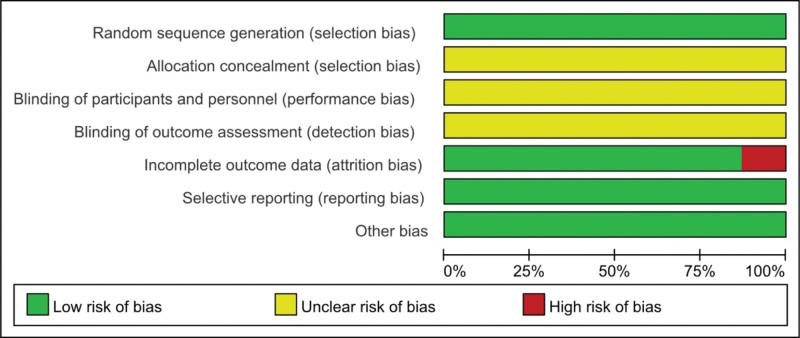
This study examined the databases-PubMed, EMbase, The Cochrane Library, the China Biology Medicine, Chinese Journal Full-text Database, Wanfang Database, and VIP Database-for randomized controlled trials of the 7 methods for KOA treatment. The search time spanned from the database establishment to March 5, 2022. The primary outcome indicator was the total effective rate, and the secondary outcome indicator was the visual analog scale. After the layer-by-layer screening, the quality of the literature was assessed using the Cochrane systematic reviewer manual 5.1.0 bias risk assessment tool for randomized controlled trials. After data extraction, the R4.0.1 software was used for network meta-analysis.
RESULTS
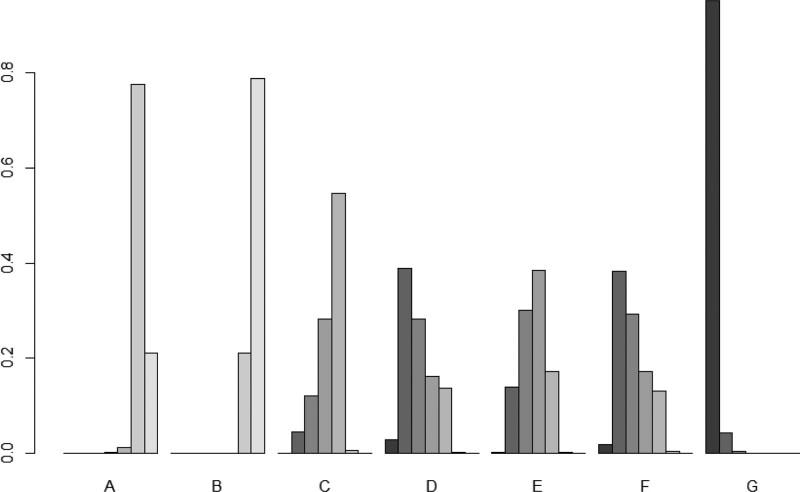
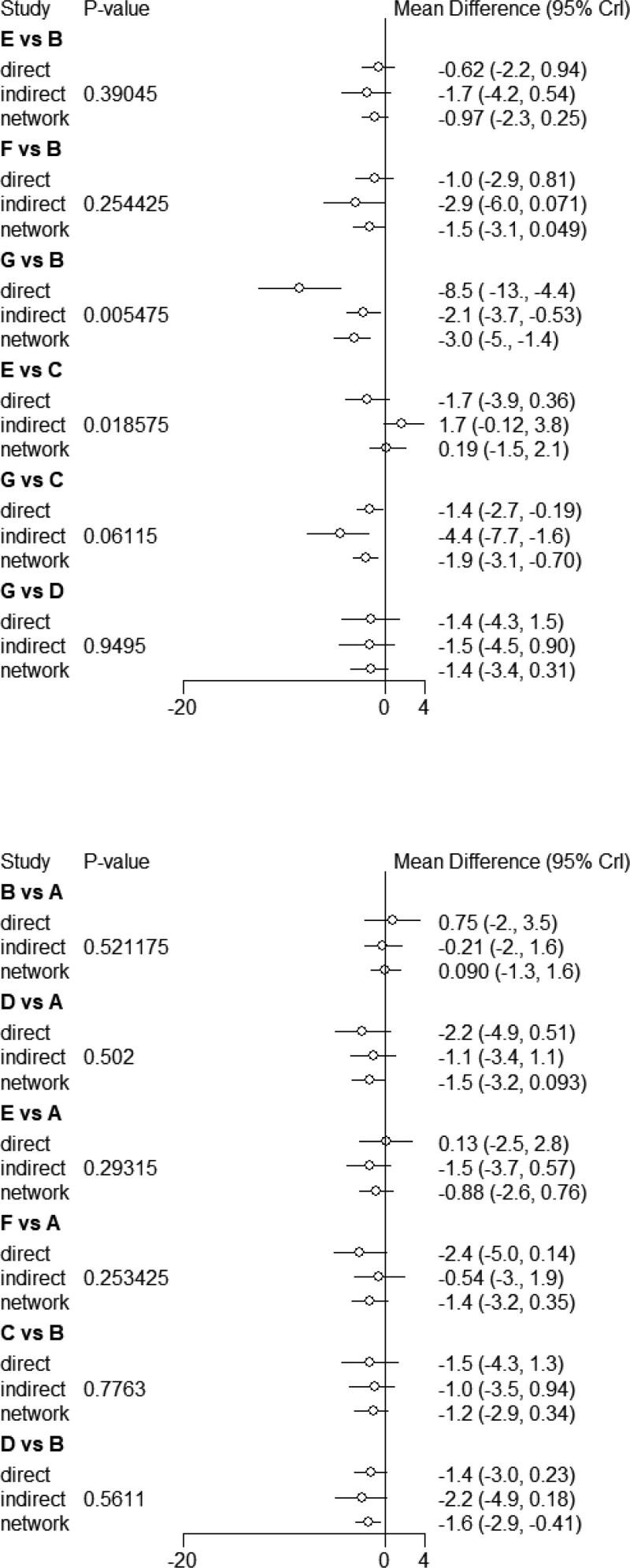
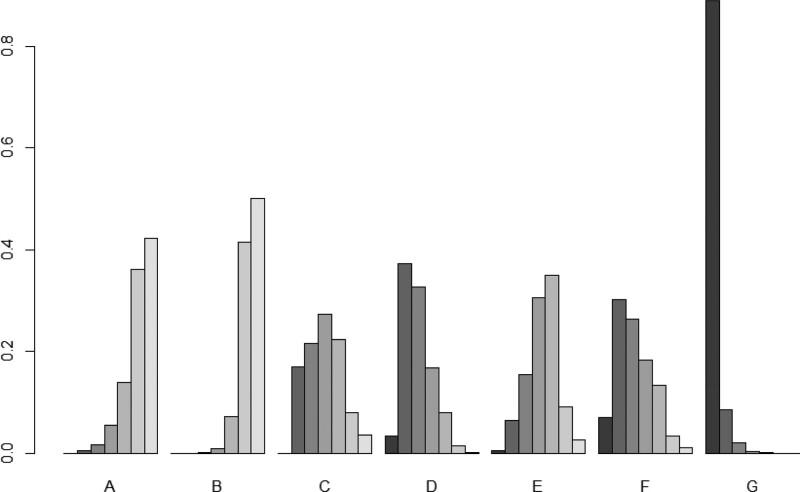
Based on the network meta-analysis, the ranking of interventions based on the surface under the cumulative ranking curve for the total effective rate is as follows: silver needle (0.99) > floating needle (0.97) > needle knife (0.66) > fire needle (0.56) > warm needle (0.44) > conventional acupuncture (0.35) > electroacupuncture (0.13). Regarding the improvement in visual analog scale scores, the surface under the cumulative ranking curve ranking is as follows: silver needle (0.97) > conventional acupuncture (0.67) > needle knife (0.64) > floating needle (0.51) > warm needle (0.44) > fire needle (0.14) > electroacupuncture (0.09).
CONCLUSION
Based on the network meta-analysis, silver needle therapy emerged as the most efficacious and analgesic intervention for KOA. Nevertheless, given the notable variations in the quality and quantity of studies encompassing diverse treatment modalities, the findings of this research necessitate further substantiation through forthcoming high-quality multicenter, large-sample, randomized double-blind trials.
目的
随着社会老龄化人口的发展,膝骨关节炎(KOA)的患病率持续稳步上升,对个人生活质量产生重大影响。针灸疗法在治疗骨关节炎方面得到了广泛应用;然而,目前缺乏将针灸与中医药相结合的全面系统评价。本研究通过网络荟萃分析比较了 7 种针灸方法(电针、普通针刺、温针、浮针、火针、针刀和银质针)治疗 KOA 的临床疗效。
方法
本研究检索了 PubMed、EMbase、The Cochrane Library、中国生物医学文献数据库、中国期刊全文数据库、万方数据库和维普数据库中关于 7 种方法治疗 KOA 的随机对照试验。检索时间从数据库建立到 2022 年 3 月 5 日。主要结局指标为总有效率,次要结局指标为视觉模拟评分。经过层层筛选,使用 Cochrane 系统评价员手册 5.1.0 偏倚风险评估工具对文献质量进行评估。数据提取后,使用 R4.0.1 软件进行网络荟萃分析。
结果
基于网络荟萃分析,总有效率的累积排序曲线下面积排序的干预措施如下:银质针(0.99)>浮针(0.97)>针刀(0.66)>火针(0.56)>温针(0.44)>普通针刺(0.35)>电针(0.13)。关于视觉模拟评分的改善,累积排序曲线下面积的排序如下:银质针(0.97)>普通针刺(0.67)>针刀(0.64)>浮针(0.51)>温针(0.44)>火针(0.14)>电针(0.09)。
结论
基于网络荟萃分析,银质针疗法是治疗 KOA 最有效的镇痛干预措施。然而,由于不同治疗方法的研究质量和数量存在显著差异,本研究结果需要通过未来高质量的多中心、大样本、随机双盲试验进一步证实。



 Zotero 插件