
基于纳米颗粒的材料在抗癌药物递送中的应用:现状与未来展望。
Nanoparticle-based materials in anticancer drug delivery: Current and future prospects.
作者信息
Ajith Saniha, Almomani Fares, Elhissi Abdelbary, Husseini Ghaleb A
机构信息
Department of Chemical Engineering, College of Engineering, Qatar University, Doha, Qatar.
College of Pharmacy, QU Health, Qatar University, Doha, Qatar.
出版信息
Heliyon. 2023 Oct 20;9(11):e21227. doi: 10.1016/j.heliyon.2023.e21227. eCollection 2023 Nov.
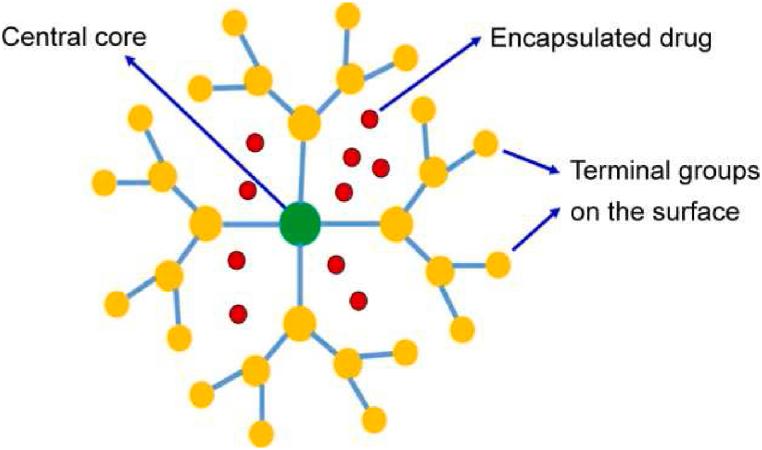
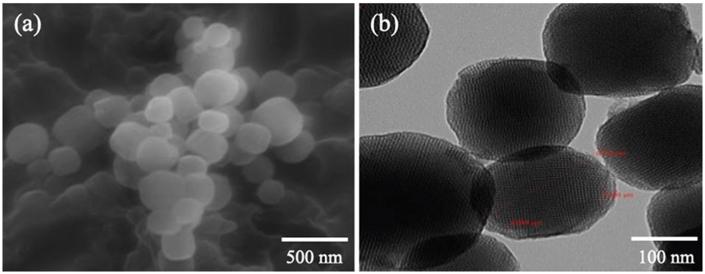
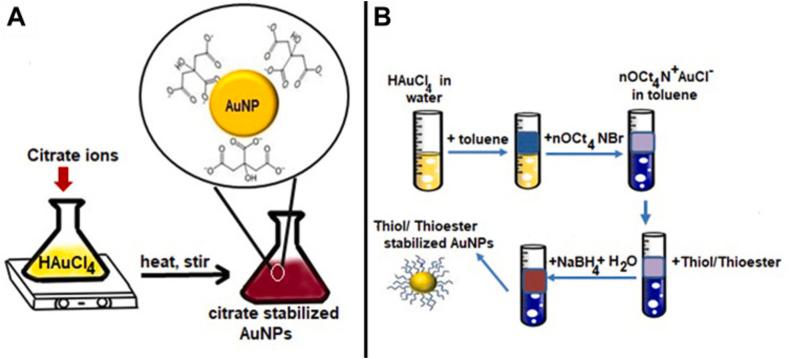
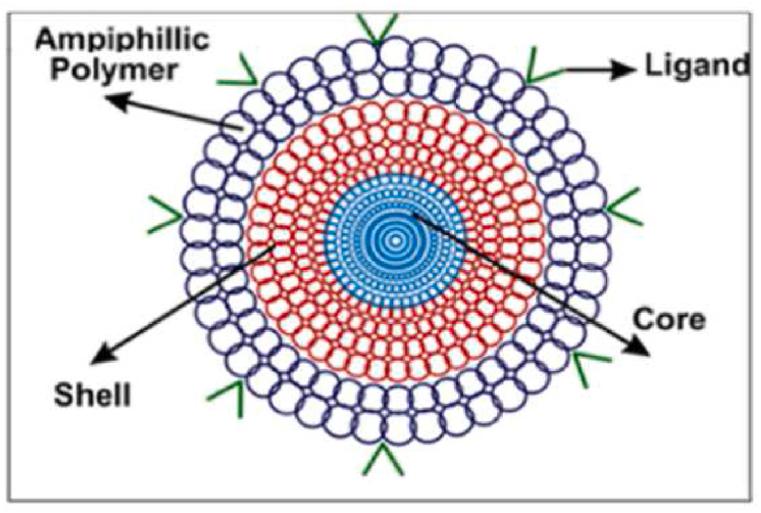
The past decade has witnessed a breakthrough in novel strategies to treat cancer. One of the most common cancer treatment modalities is chemotherapy which involves administering anti-cancer drugs to the body. However, these drugs can lead to undesirable side effects on healthy cells. To overcome this challenge and improve cancer cell targeting, many novel nanocarriers have been developed to deliver drugs directly to the cancerous cells and minimize effects on the healthy tissues. The majority of the research studies conclude that using drugs encapsulated in nanocarriers is a much safer and more effective alternative than delivering the drug alone in its free form. This review provides a summary of the types of nanocarriers mainly studied for cancer drug delivery, namely: liposomes, polymeric micelles, dendrimers, magnetic nanoparticles, mesoporous nanoparticles, gold nanoparticles, carbon nanotubes and quantum dots. In this review, the synthesis, applications, advantages, disadvantages, and previous studies of these nanomaterials are discussed in detail. Furthermore, the future opportunities and possible challenges of translating these materials into clinical applications are also reported.
过去十年见证了癌症治疗新策略的突破。最常见的癌症治疗方式之一是化疗,即向体内施用抗癌药物。然而,这些药物会对健康细胞产生不良副作用。为了克服这一挑战并改善癌细胞靶向性,人们开发了许多新型纳米载体,将药物直接递送至癌细胞,并将对健康组织的影响降至最低。大多数研究得出结论,使用封装在纳米载体中的药物比单独以游离形式给药更安全、更有效。本综述总结了主要用于癌症药物递送研究的纳米载体类型,即:脂质体、聚合物胶束、树枝状大分子、磁性纳米颗粒、介孔纳米颗粒、金纳米颗粒、碳纳米管和量子点。在本综述中,详细讨论了这些纳米材料的合成、应用、优点、缺点及以往研究。此外,还报道了将这些材料转化为临床应用的未来机遇和可能面临的挑战。




 Zotero 插件