
类黄酮通过一种 mTor 非依赖性机制提供对 DUX4 诱导的毒性的抗性。
Flavones provide resistance to DUX4-induced toxicity via an mTor-independent mechanism.
机构信息
Department of Genetics, Yale School of Medicine, New Haven, CT, 06510, USA.
Wellstone Muscular Dystrophy Program, Department of Neurology, University of Massachusetts Chan Medical School, Worcester, MA, USA.
出版信息
Cell Death Dis. 2023 Nov 16;14(11):749. doi: 10.1038/s41419-023-06257-2.
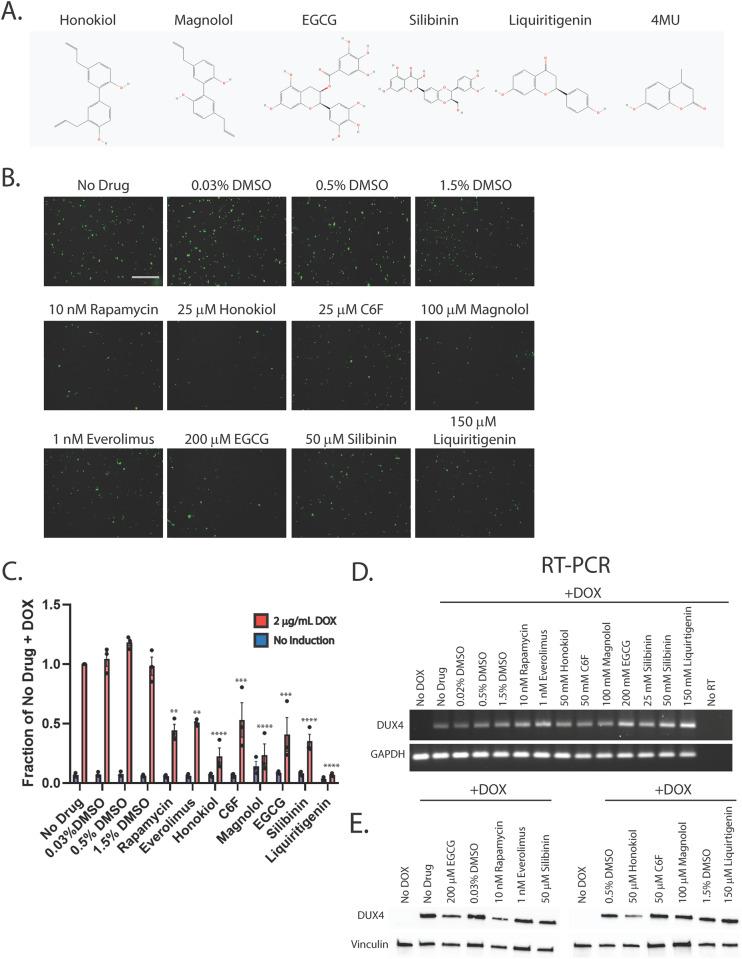
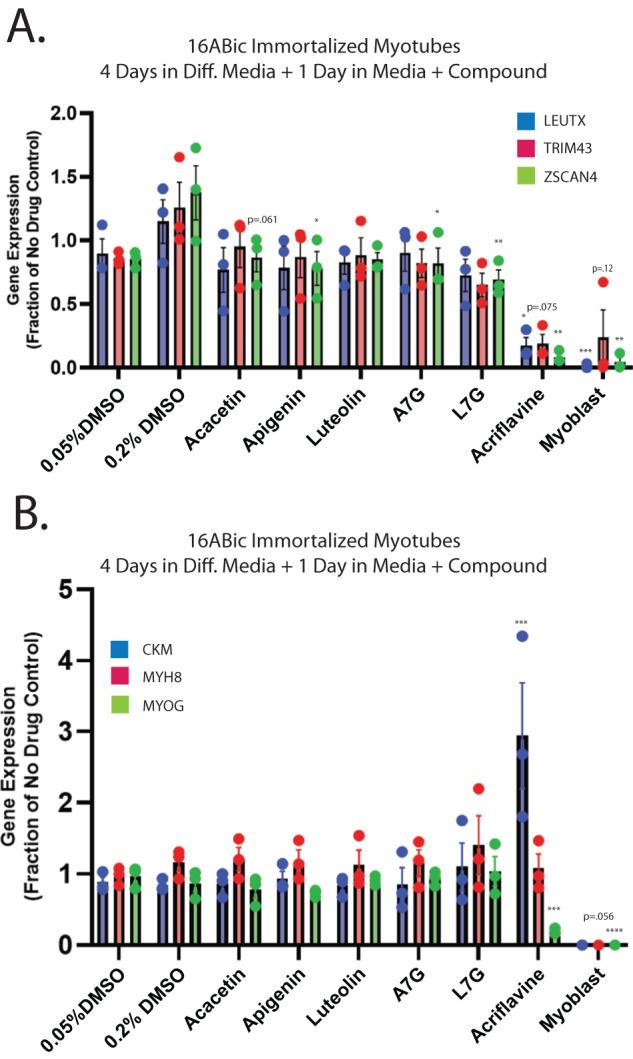
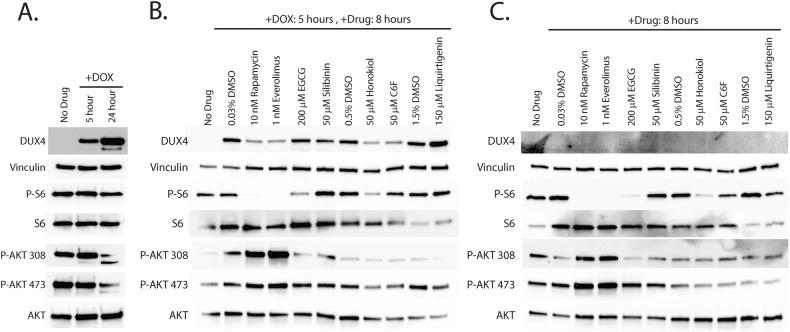
Facioscapulohumeral muscular dystrophy (FSHD) is among the most common of the muscular dystrophies, affecting nearly 1 in 8000 individuals, and is a cause of profound disability. Genetically, FSHD is linked to the contraction and/or epigenetic de-repression of the D4Z4 repeat array on chromosome 4, thereby allowing expression of the DUX4 gene in skeletal muscle. If the DUX4 transcript incorporates a stabilizing polyadenylation site the myotoxic DUX4 protein will be synthesized, resulting in muscle wasting. The mechanism of toxicity remains unclear, as many DUX4-induced cytopathologies have been described, however cell death does primarily occur through caspase 3/7-dependent apoptosis. To date, most FSHD therapeutic development has focused on molecular methods targeting DUX4 expression or the DUX4 transcript, while therapies targeting processes downstream of DUX4 activity have received less attention. Several studies have demonstrated that inhibition of multiple signal transduction pathways can ameliorate DUX4-induced toxicity, and thus compounds targeting these pathways have the potential to be developed into FSHD therapeutics. To this end, we have screened a group of small molecules curated based on their reported activity in relevant pathways and/or structural relationships with known toxicity-modulating molecules. We have identified a panel of five compounds that function downstream of DUX4 activity to inhibit DUX4-induced toxicity. Unexpectedly, this effect was mediated through an mTor-independent mechanism that preserved expression of ULK1 and correlated with an increase in a marker of active cellular autophagy. This identifies these flavones as compounds of interest for therapeutic development, and potentially identifies the autophagy pathway as a target for therapeutics.
面肩肱型肌营养不良症(FSHD)是最常见的肌肉营养不良症之一,影响近 8000 人中的 1 人,是导致严重残疾的原因。从遗传学上讲,FSHD 与染色体 4 上 D4Z4 重复阵列的收缩和/或表观遗传去抑制有关,从而允许在骨骼肌中表达 DUX4 基因。如果 DUX4 转录本包含一个稳定的多聚腺苷酸化位点,将会合成肌毒性 DUX4 蛋白,导致肌肉消耗。其毒性机制尚不清楚,因为已经描述了许多 DUX4 诱导的细胞病变,但细胞死亡主要通过半胱天冬酶 3/7 依赖性细胞凋亡发生。迄今为止,大多数 FSHD 治疗开发都集中在靶向 DUX4 表达或 DUX4 转录本的分子方法上,而针对 DUX4 活性下游过程的治疗方法则受到较少关注。几项研究表明,抑制多种信号转导途径可以改善 DUX4 诱导的毒性,因此靶向这些途径的化合物有可能被开发为 FSHD 治疗药物。为此,我们根据其在相关途径中的报道活性或与已知毒性调节分子的结构关系,筛选了一组基于小分子的化合物。我们确定了一组五种化合物,它们在 DUX4 活性下游发挥作用,抑制 DUX4 诱导的毒性。出乎意料的是,这种作用是通过一种 mTor 独立的机制介导的,该机制保留了 ULK1 的表达,并与活性细胞自噬的标志物增加相关。这将这些类黄酮鉴定为治疗开发的有前途的化合物,并可能将自噬途径鉴定为治疗靶点。



 Zotero 插件