
U2AF1 在各种肿瘤性疾病及相关复杂突变恶性肿瘤的靶向治疗中的作用(综述)。
U2AF1 in various neoplastic diseases and relevant targeted therapies for malignant cancers with complex mutations (Review).
机构信息
Department of Transfusion, Sichuan Provincial People's Hospital, University of Electronic Science and Technology of China, Chengdu, Sichuan 610072, P.R. China.
Beijing Institute of Ophthalmology, Beijing Tongren Eye Center, Beijing Tongren Hospital, Capital Medical University, Beijing Ophthalmology and Visual Sciences Key Laboratory, Beijing 100730, P.R. China.
出版信息
Oncol Rep. 2024 Jan;51(1). doi: 10.3892/or.2023.8664. Epub 2023 Nov 17.
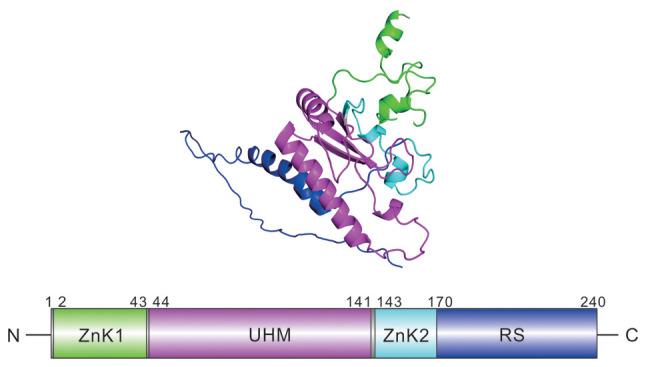
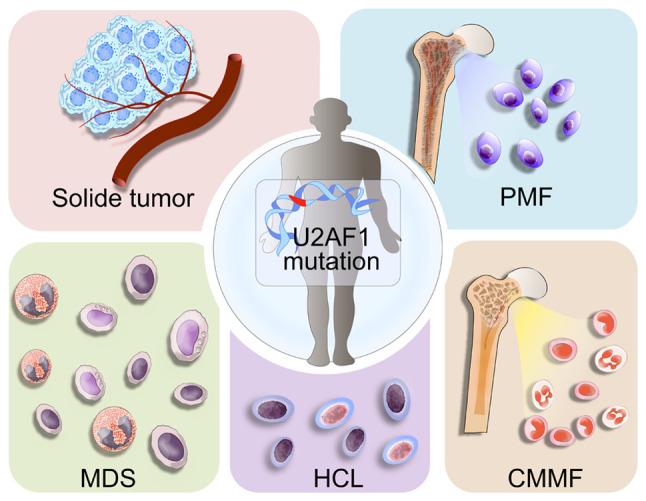
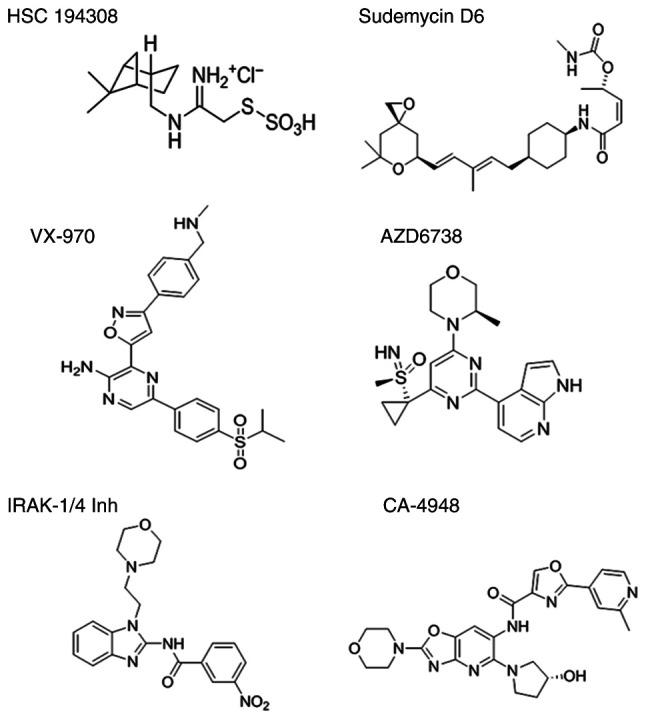
U2 small nuclear RNA auxiliary factor 1 (U2AF1) is a multifunctional protein that plays a crucial role in the regulation of RNA splicing during eukaryotic gene expression. U2AF1 belongs to the SR family of splicing factors and is involved in the removal of introns from mRNAs and exon-exon binding. Mutations in U2AF1 are frequently observed in myelodysplastic syndrome, primary myelofibrosis, chronic myelomonocytic leukaemia, hairy cell leukaemia and other solid tumours, particularly in lung, pancreatic, and ovarian carcinomas. Therefore, targeting U2AF1 for therapeutic interventions may be a viable strategy for treating malignant diseases. In the present review, the pathogenic mechanisms associated with U2AF1 in different malignant diseases were summarized, and the potential of related targeting agents was discussed. Additionally, the feasibility of natural product-based therapies directed against U2AF1 was explored.
U2 小核 RNA 辅助因子 1(U2AF1)是一种多功能蛋白,在真核基因表达过程中 RNA 剪接的调控中发挥着关键作用。U2AF1 属于剪接因子的 SR 家族,参与从 mRNA 中去除内含子和外显子-外显子结合。U2AF1 的突变在骨髓增生异常综合征、原发性骨髓纤维化、慢性髓单核细胞白血病、毛细胞白血病和其他实体瘤中经常观察到,特别是在肺癌、胰腺癌和卵巢癌中。因此,针对 U2AF1 进行治疗干预可能是治疗恶性疾病的一种可行策略。在本综述中,总结了 U2AF1 在不同恶性疾病中的致病机制,并讨论了相关靶向药物的潜力。此外,还探讨了针对 U2AF1 的天然产物疗法的可行性。



 Zotero 插件