
以癌细胞中的葡萄糖代谢为靶点作为克服耐药性的一种方法。
Targeting Glucose Metabolism in Cancer Cells as an Approach to Overcoming Drug Resistance.
作者信息
Cunha Andrea, Silva Patrícia M A, Sarmento Bruno, Queirós Odília
机构信息
UNIPRO-Oral Pathology and Rehabilitation Research Unit, University Institute of Health Sciences-CESPU (IUCS-CESPU), 4585-116 Gandra, Portugal.
1H-TOXRUN-One Health Toxicology Research Unit, University Institute of Health Sciences-CESPU (IUCS-CESPU), 3810-193 Gandra, Portugal.
出版信息
Pharmaceutics. 2023 Nov 10;15(11):2610. doi: 10.3390/pharmaceutics15112610.
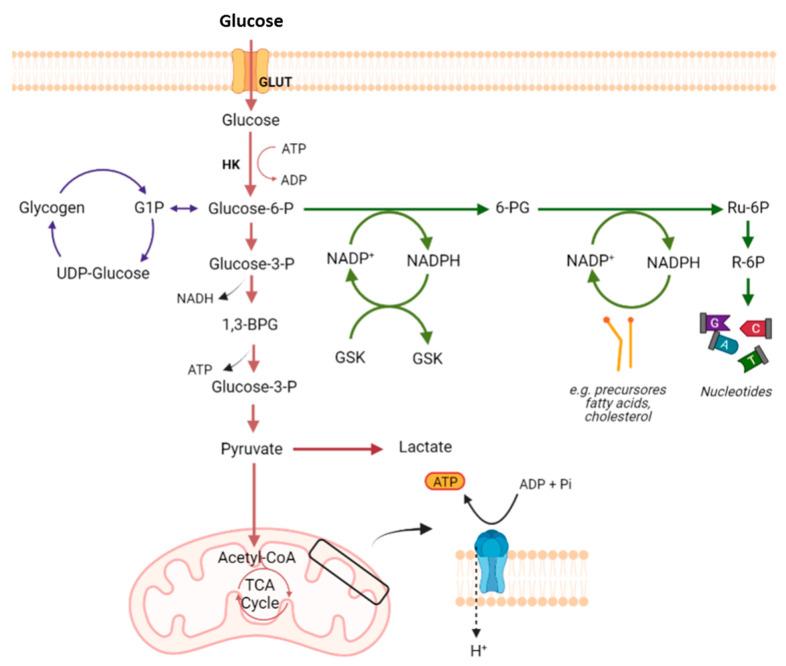
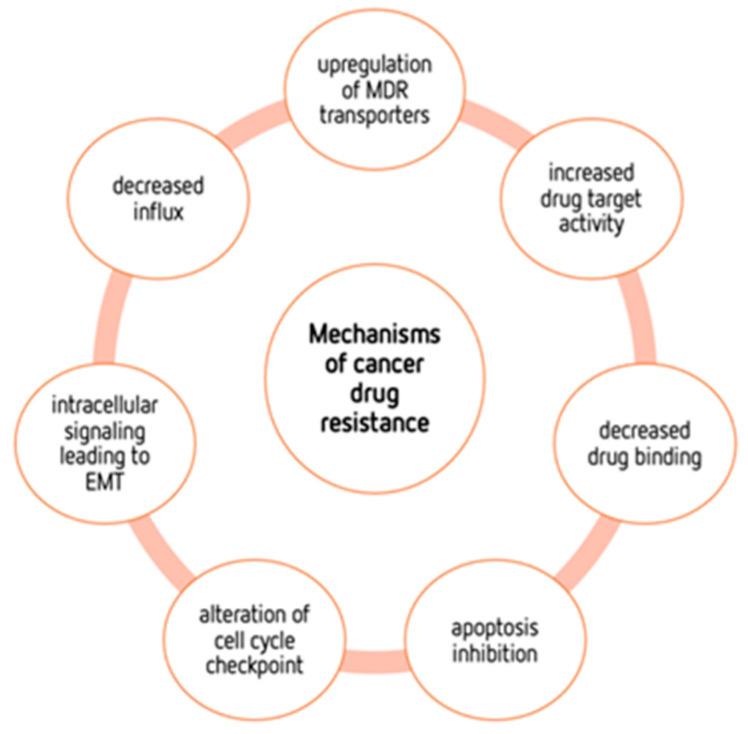
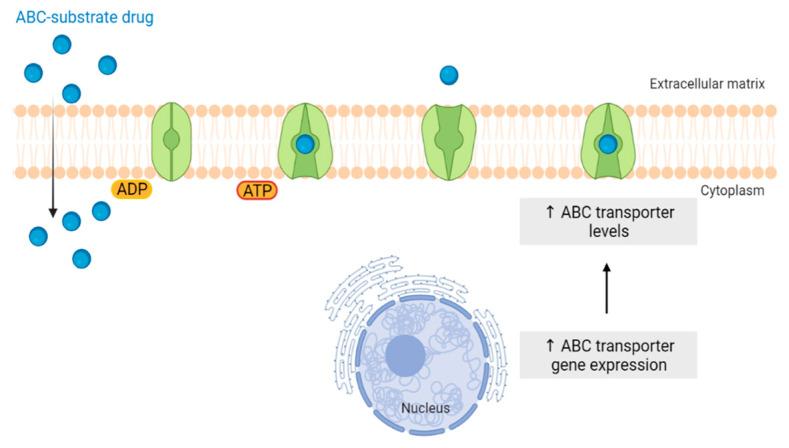
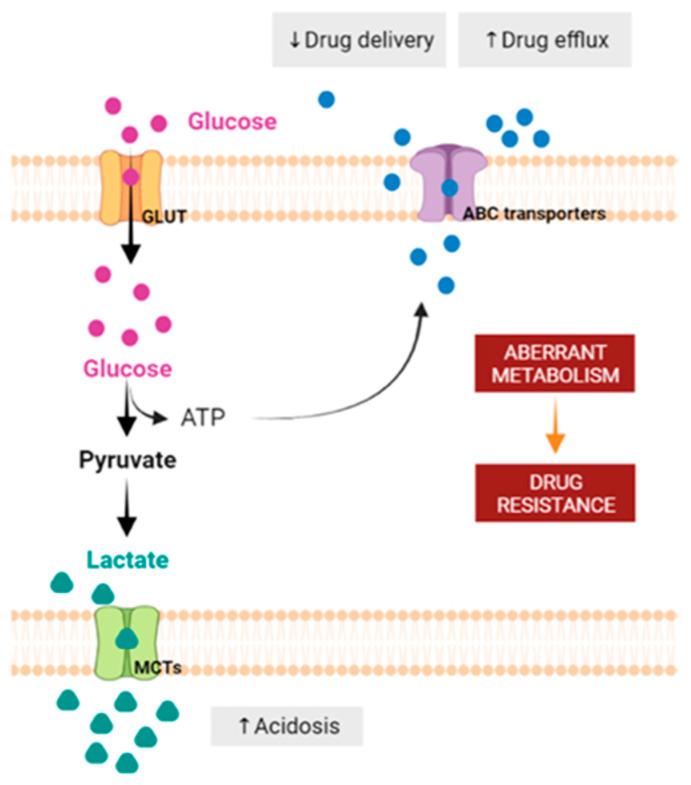
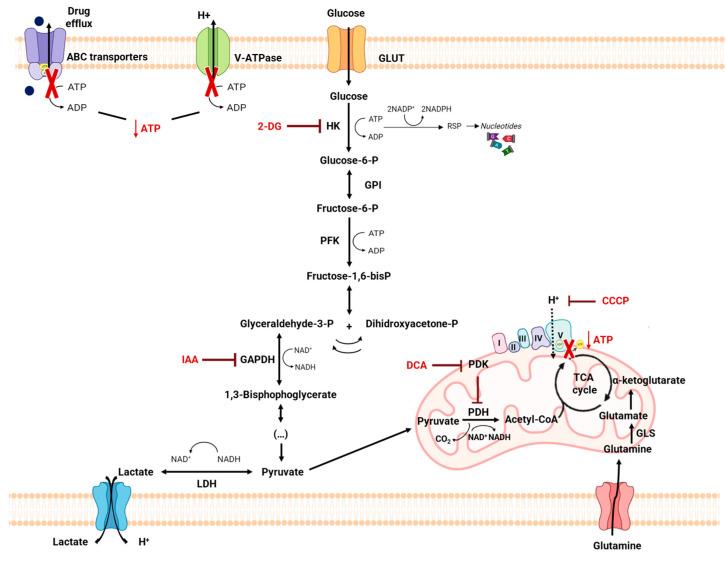
The "Warburg effect" consists of a metabolic shift in energy production from oxidative phosphorylation to glycolysis. The continuous activation of glycolysis in cancer cells causes rapid energy production and an increase in lactate, leading to the acidification of the tumour microenvironment, chemo- and radioresistance, as well as poor patient survival. Nevertheless, the mitochondrial metabolism can be also involved in aggressive cancer characteristics. The metabolic differences between cancer and normal tissues can be considered the Achilles heel of cancer, offering a strategy for new therapies. One of the main causes of treatment resistance consists of the increased expression of efflux pumps, and multidrug resistance (MDR) proteins, which are able to export chemotherapeutics out of the cell. Cells expressing MDR proteins require ATP to mediate the efflux of their drug substrates. Thus, inhibition of the main energy-producing pathways in cancer cells, not only induces cancer cell death per se, but also overcomes multidrug resistance. Given that most anticancer drugs do not have the ability to distinguish normal cells from cancer cells, a number of drug delivery systems have been developed. These nanodrug delivery systems provide flexible and effective methods to overcome MDR by facilitating cellular uptake, increasing drug accumulation, reducing drug efflux, improving targeted drug delivery, co-administering synergistic agents, and increasing the half-life of drugs in circulation.
“瓦伯格效应”包括能量产生过程中从氧化磷酸化到糖酵解的代谢转变。癌细胞中糖酵解的持续激活导致能量快速产生和乳酸增加,进而导致肿瘤微环境酸化、产生化疗和放疗抗性以及患者生存率降低。然而,线粒体代谢也可能与癌症的侵袭性特征有关。癌症组织与正常组织之间的代谢差异可被视为癌症的致命弱点,为新疗法提供了一种策略。治疗抗性的主要原因之一是外排泵和多药耐药(MDR)蛋白的表达增加,这些蛋白能够将化疗药物排出细胞。表达MDR蛋白的细胞需要ATP来介导其药物底物的外排。因此,抑制癌细胞中的主要能量产生途径,不仅会导致癌细胞本身死亡,还能克服多药耐药性。鉴于大多数抗癌药物无法区分正常细胞和癌细胞,人们已经开发了许多药物递送系统。这些纳米药物递送系统通过促进细胞摄取、增加药物积累、减少药物外排、改善靶向药物递送、联合使用协同剂以及延长药物在循环中的半衰期来提供灵活有效的方法来克服多药耐药性。


 Zotero 插件