
移动连接对学生幸福感的影响:使用机器学习算法检测学习者的抑郁。
Impact of mobile connectivity on students' wellbeing: Detecting learners' depression using machine learning algorithms.
机构信息
Department of Electrical and Electronic Engineering, Islamic University of Technology, Gazipur, Dhaka, Bangladesh.
Department of Technical and Vocational Education, Islamic University of Technology, Gazipur, Dhaka, Bangladesh.
出版信息
PLoS One. 2023 Nov 27;18(11):e0294803. doi: 10.1371/journal.pone.0294803. eCollection 2023.
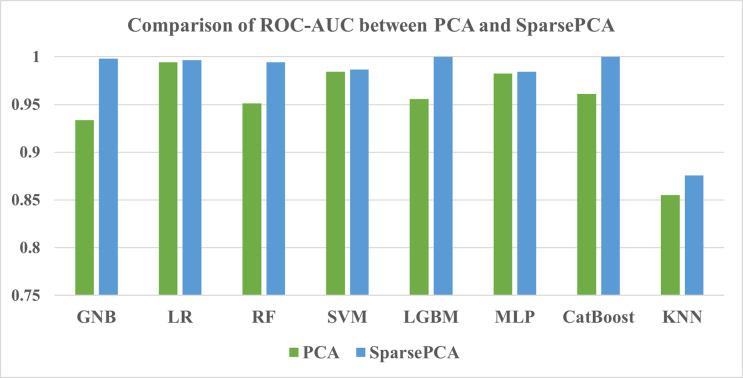
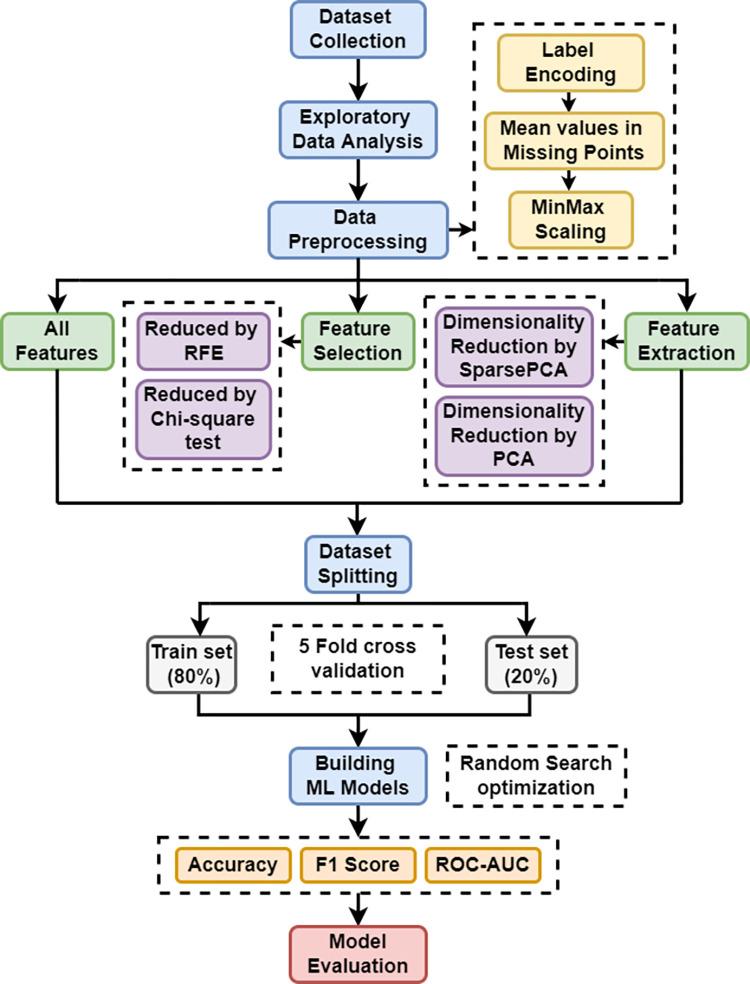
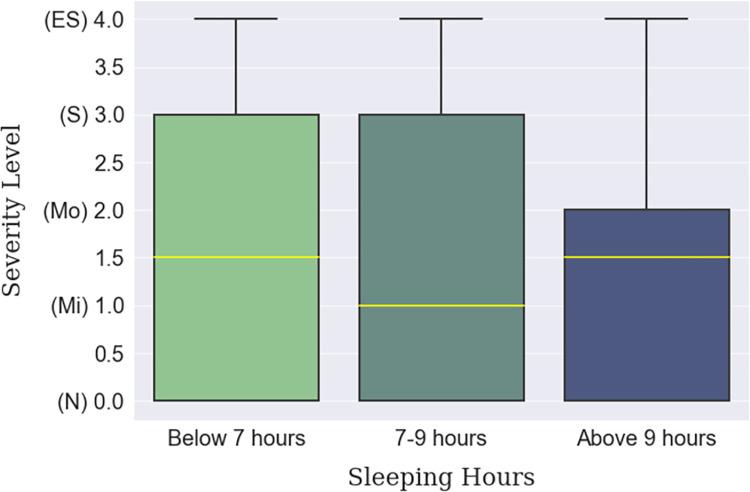
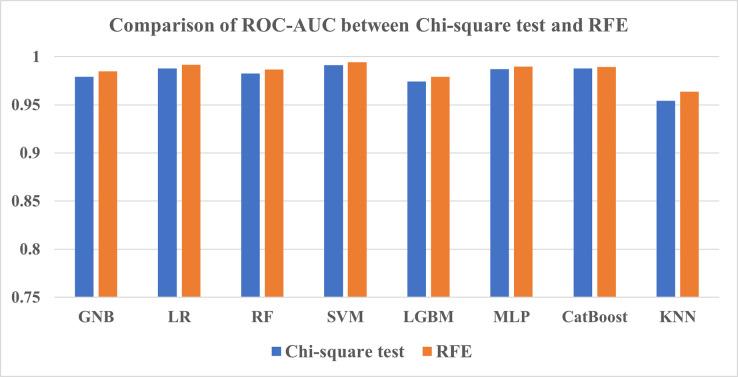
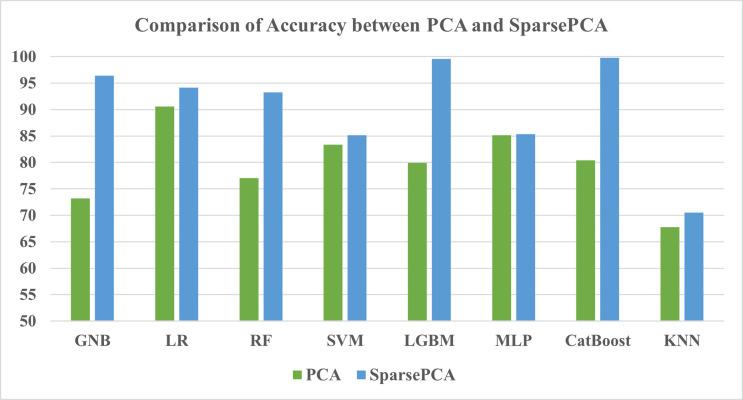
Depression is a psychological state of mind that often influences a person in an unfavorable manner. While it can occur in people of all ages, students are especially vulnerable to it throughout their academic careers. Beginning in 2020, the COVID-19 epidemic caused major problems in people's lives by driving them into quarantine and forcing them to be connected continually with mobile devices, such that mobile connectivity became the new norm during the pandemic and beyond. This situation is further accelerated for students as universities move towards a blended learning mode. In these circumstances, monitoring student mental health in terms of mobile and Internet connectivity is crucial for their wellbeing. This study focuses on students attending an International University of Bangladesh to investigate their mental health due to their continual use of mobile devices (e.g., smartphones, tablets, laptops etc.). A cross-sectional survey method was employed to collect data from 444 participants. Following the exploratory data analysis, eight machine learning (ML) algorithms were used to develop an automated normal-to-extreme severe depression identification and classification system. When the automated detection was incorporated with feature selection such as Chi-square test and Recursive Feature Elimination (RFE), about 3 to 5% increase in accuracy was observed by the method. Similarly, a 5 to 15% increase in accuracy has been observed when a feature extraction method such as Principal Component Analysis (PCA) was performed. Also, the SparsePCA feature extraction technique in combination with the CatBoost classifier showed the best results in terms of accuracy, F1-score, and ROC-AUC. The data analysis revealed no sign of depression in about 44% of the total participants. About 25% of students showed mild-to-moderate and 31% of students showed severe-to-extreme signs of depression. The results suggest that ML models, incorporating a proper feature engineering method can serve adequately in multi-stage depression detection among the students. This model might be utilized in other disciplines for detecting early signs of depression among people.
抑郁是一种心理状态,它经常以不利的方式影响一个人。虽然它可以发生在各个年龄段的人身上,但学生在整个学业生涯中尤其容易受到影响。自 2020 年以来,COVID-19 疫情通过将人们隔离并迫使他们持续使用移动设备,给人们的生活带来了重大问题,以至于在疫情期间及之后,移动连接成为了新的常态。对于转向混合学习模式的大学来说,这种情况进一步加速。在这种情况下,监测学生的移动和互联网连接方面的心理健康对于他们的幸福至关重要。本研究专注于孟加拉国国际大学的学生,以调查他们由于持续使用移动设备(例如智能手机、平板电脑、笔记本电脑等)而产生的心理健康问题。采用横断面调查方法从 444 名参与者中收集数据。在进行探索性数据分析之后,使用了 8 种机器学习 (ML) 算法来开发一种自动识别和分类正常到严重抑郁的系统。当将自动检测与特征选择(如卡方检验和递归特征消除 (RFE))相结合时,该方法的准确率提高了约 3%至 5%。类似地,当执行特征提取方法(如主成分分析 (PCA))时,准确率提高了 5%至 15%。此外,稀疏 PCA 特征提取技术与 CatBoost 分类器相结合,在准确性、F1 得分和 ROC-AUC 方面表现出最佳结果。数据分析显示,大约 44%的总参与者没有抑郁迹象。大约 25%的学生表现出轻度至中度抑郁,31%的学生表现出严重至极度抑郁。结果表明,结合适当的特征工程方法的 ML 模型可以在学生中进行多阶段抑郁检测方面发挥充分作用。该模型可以在其他学科中用于检测人们早期的抑郁迹象。





 Zotero 插件