
L-精氨酸修饰的超支化聚-L-赖氨酸对不同SARS-CoV-2变体的体外抗病毒活性
In Vitro Antiviral Activity of Hyperbranched Poly-L-Lysine Modified by L-Arginine against Different SARS-CoV-2 Variants.
作者信息
Fiori Federico, Cossu Franca Lucia, Salis Federica, Carboni Davide, Stagi Luigi, De Forni Davide, Poddesu Barbara, Malfatti Luca, Khalel Abbas, Salis Andrea, Casula Maria Francesca, Anedda Roberto, Lori Franco, Innocenzi Plinio
机构信息
Laboratory of Materials Science and Nanotechnology (LMNT), CR-INSTM, Department of Biomedical Sciences, University of Sassari, Viale San Pietro 43/B, 07100 Sassari, Italy.
ViroStatics srl, Viale Umberto I, 46, 07100 Sassari, Italy.
出版信息
Nanomaterials (Basel). 2023 Dec 6;13(24):3090. doi: 10.3390/nano13243090.
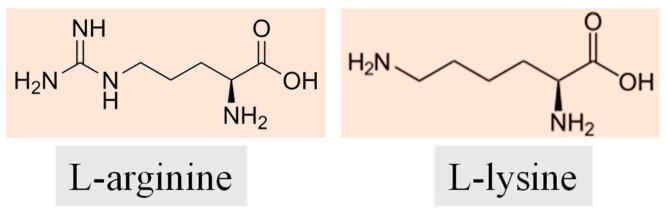
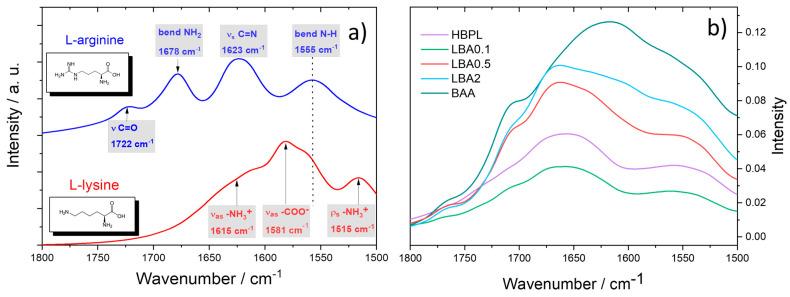
The emergence of SARS-CoV-2 variants requires close monitoring to prevent the reoccurrence of a new pandemic in the near future. The Omicron variant, in particular, is one of the fastest-spreading viruses, showing a high ability to infect people and evade neutralization by antibodies elicited upon infection or vaccination. Therefore, the search for broad-spectrum antivirals that can inhibit the infectious capacity of SARS-CoV-2 is still the focus of intense research. In the present work, hyperbranched poly-L-lysine nanopolymers, which have shown an excellent ability to block the original strain of SARS-CoV-2 infection, were modified with L-arginine. A thermal reaction at 240 °C catalyzed by boric acid yielded Lys-Arg hyperbranched nanopolymers. The ability of these nanopolymers to inhibit viral replication were assessed for the original, Delta, and Omicron strains of SARS-CoV-2 together with their cytotoxicity. A reliable indication of the safety profile and effectiveness of the various polymeric compositions in inhibiting or suppressing viral infection was obtained by the evaluation of the therapeutic index in an in vitro prevention model. The hyperbranched L-arginine-modified nanopolymers exhibited a twelve-fold greater therapeutic index when tested with the original strain. The nanopolymers could also effectively limit the replication of the Omicron strain in a cell culture.
严重急性呼吸综合征冠状病毒2(SARS-CoV-2)变体的出现需要密切监测,以防止在不久的将来再次发生新的大流行。特别是奥密克戎变体,是传播速度最快的病毒之一,具有很高的感染能力,能够逃避感染或接种疫苗后产生的抗体的中和作用。因此,寻找能够抑制SARS-CoV-2感染能力的广谱抗病毒药物仍然是深入研究的重点。在本研究中,对已显示出优异阻断SARS-CoV-2原始毒株感染能力的超支化聚-L-赖氨酸纳米聚合物用L-精氨酸进行了修饰。在硼酸催化下于240℃进行热反应,得到赖氨酸-精氨酸超支化纳米聚合物。评估了这些纳米聚合物对SARS-CoV-2原始毒株、德尔塔毒株和奥密克戎毒株的病毒复制抑制能力及其细胞毒性。通过在体外预防模型中评估治疗指数,获得了各种聚合物组合物在抑制或抑制病毒感染方面安全性和有效性的可靠指标。用原始毒株测试时,超支化L-精氨酸修饰的纳米聚合物的治疗指数高出12倍。这些纳米聚合物还能有效限制奥密克戎毒株在细胞培养中的复制。





 Zotero 插件