
他克莫司通过诱导中性粒细胞的DNA甲基化来维持中性粒细胞胞外诱捕网的平衡,从而减少免疫排斥反应。
Tacrolimus Maintains the Balance of Neutrophil Extracellular Traps by Inducing DNA Methylation of Neutrophils to Reduce Immune Rejection.
作者信息
Xu Liang, Cai Ming
机构信息
Department of Urology, The Third Medical Center of Chinese PLA General Hospital, Medical School of Chinese PLA, Beijing 100853, China.
出版信息
Life (Basel). 2023 Nov 25;13(12):2253. doi: 10.3390/life13122253.
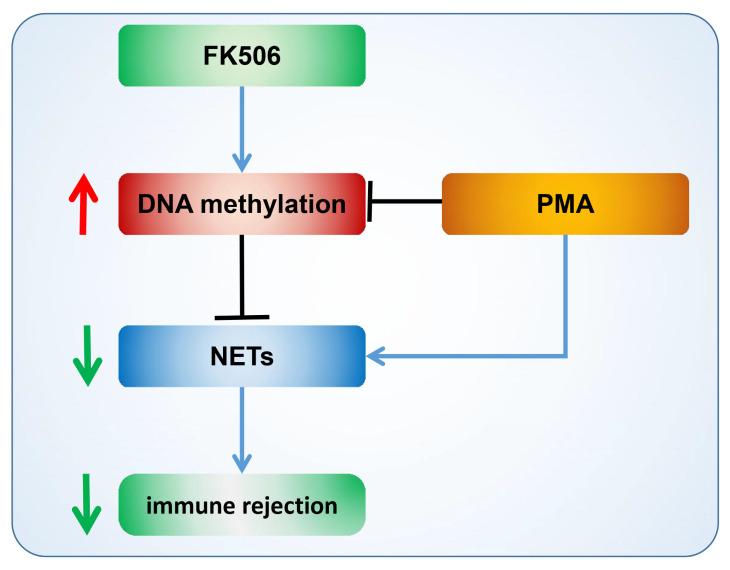
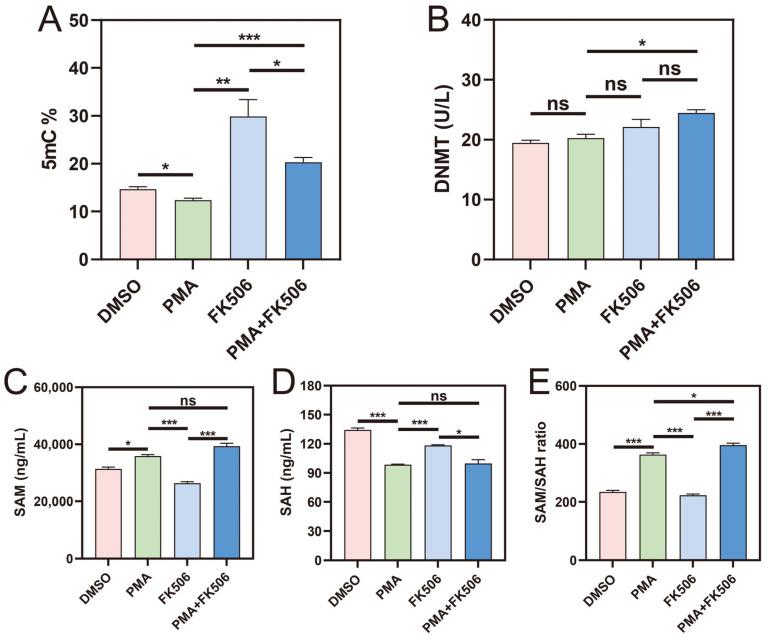
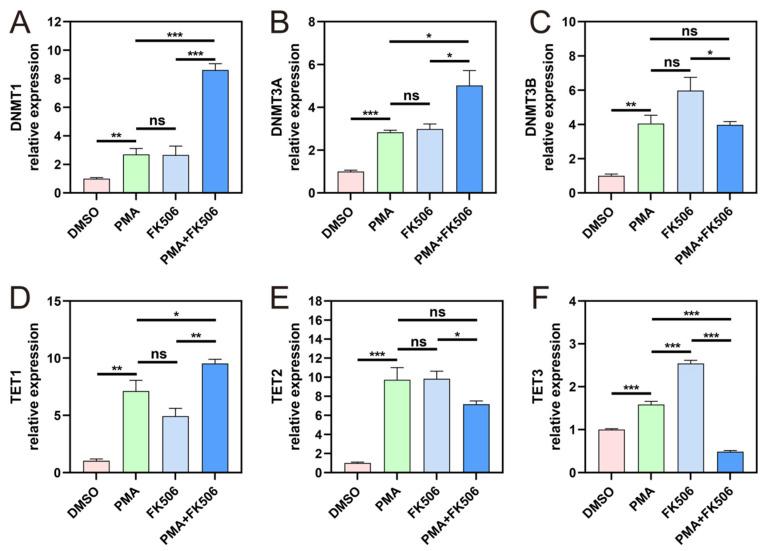
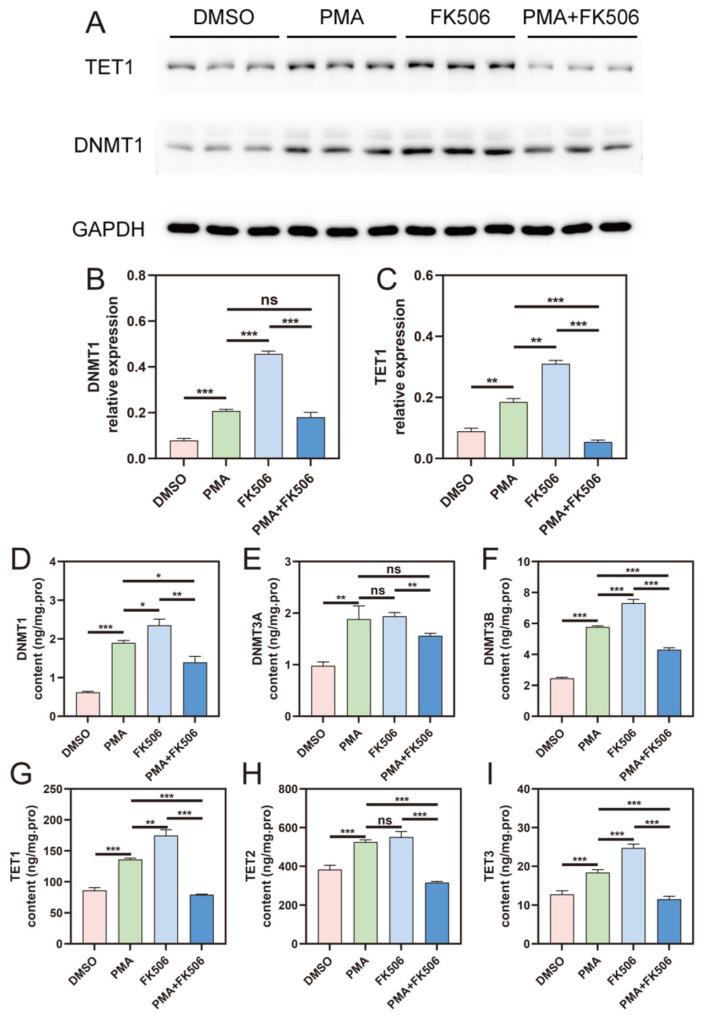
Immune rejection is a significant concern in organ transplantation, as it can lead to damage to and failure of the transplanted organ. To prevent or treat immune rejection, transplant recipients are commonly administered immunosuppressive drugs. Tacrolimus (FK506) is a widely used immunosuppressive drug in organ transplantation. The excessive formation of neutrophil extracellular traps (NETs) can contribute to inflammation and tissue damage. Although NETs play an antimicrobial role, their overproduction can be harmful. To investigate the mechanism by which FK506 suppresses immune rejection, we utilized HL-60 cells, which were differentiated into neutrophils using DMSO and induced to form NETs with phorbol myristate acetate (PMA), a very efficient and frequently used drug for inducing NET formation. By comparing pre- and post-treatment with FK506, we examined whether FK506 affects the formation of NETs. Various experimental techniques were employed, including confocal imaging for visualizing cell NETs, qPCR and Western blotting for gene and protein expression analyses, ELISAs for protein content detection, and LC-MS/MS for methylation detection. In our study, we discovered that FK506 can enhance DNA methylation, which likely contributes to the reduction in NETs. Genes and proteins related to methylation, namely, DNMT3B and TET3, exhibited significant correlations with methylation. Consistent changes in both genes and proteins suggest that DNMT3B and TET3 are key factors that are influenced by FK506, resulting in enhanced DNA methylation and the potential inhibition of PMA-induced NET production. In summary, we have identified a novel mechanism by which FK506 inhibits NET production through the enhancement of DNA methylation. This finding highlights a new aspect of FK506's immunosuppressive effect. Our results provide valuable insights for clinical research, immunosuppression, and organ preservation strategies.
免疫排斥是器官移植中的一个重大问题,因为它会导致移植器官受损和功能衰竭。为了预防或治疗免疫排斥,移植受者通常会使用免疫抑制药物。他克莫司(FK506)是器官移植中广泛使用的免疫抑制药物。中性粒细胞胞外陷阱(NETs)的过度形成会导致炎症和组织损伤。虽然NETs发挥抗菌作用,但其过度产生可能是有害的。为了研究FK506抑制免疫排斥的机制,我们利用HL-60细胞,用二甲基亚砜(DMSO)将其分化为中性粒细胞,并用佛波酯(PMA)诱导形成NETs,PMA是一种诱导NET形成的非常有效且常用的药物。通过比较FK506治疗前后的情况,我们研究了FK506是否影响NETs的形成。采用了各种实验技术,包括用于可视化细胞NETs的共聚焦成像、用于基因和蛋白质表达分析的qPCR和蛋白质印迹、用于蛋白质含量检测的酶联免疫吸附测定(ELISA)以及用于甲基化检测的液相色谱-串联质谱(LC-MS/MS)。在我们的研究中,我们发现FK506可以增强DNA甲基化,这可能有助于减少NETs。与甲基化相关的基因和蛋白质,即DNA甲基转移酶3B(DNMT3B)和TET蛋白3(TET3),与甲基化表现出显著相关性。基因和蛋白质的一致变化表明,DNMT3B和TET3是受FK506影响的关键因素,导致DNA甲基化增强,并可能抑制PMA诱导的NET产生。总之,我们发现了一种新机制,即FK506通过增强DNA甲基化来抑制NET产生。这一发现突出了FK506免疫抑制作用的一个新方面。我们的结果为临床研究、免疫抑制和器官保存策略提供了有价值的见解。


 Zotero 插件