
基于超交联聚苯乙烯的多相催化剂用于生物质衍生平台化学品的合成与转化综述。
An Overview of Heterogeneous Catalysts Based on Hypercrosslinked Polystyrene for the Synthesis and Transformation of Platform Chemicals Derived from Biomass.
作者信息
Manaenkov Oleg, Nikoshvili Linda, Bykov Alexey, Kislitsa Olga, Grigoriev Maxim, Sulman Mikhail, Matveeva Valentina, Kiwi-Minsker Lioubov
机构信息
Department of Biotechnology, Chemistry and Standardization, Tver State Technical University, 170026 Tver, Russia.
Ecole Polytechnique Fédérale de Lausanne, ISIC-FSB-EPFL, CH-1015 Lausanne, Switzerland.
出版信息
Molecules. 2023 Dec 15;28(24):8126. doi: 10.3390/molecules28248126.
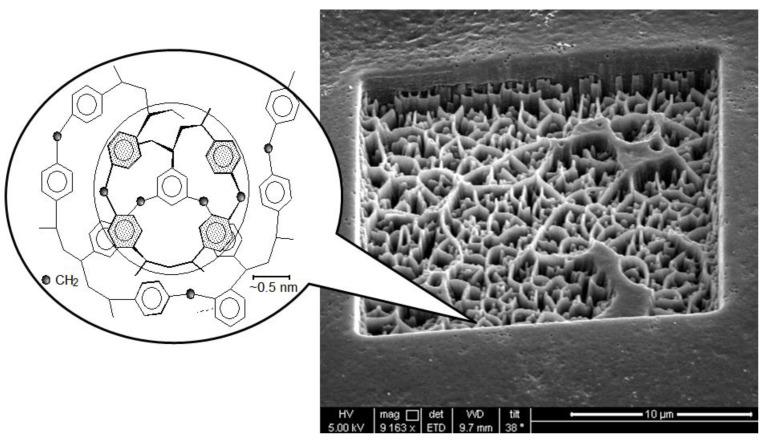
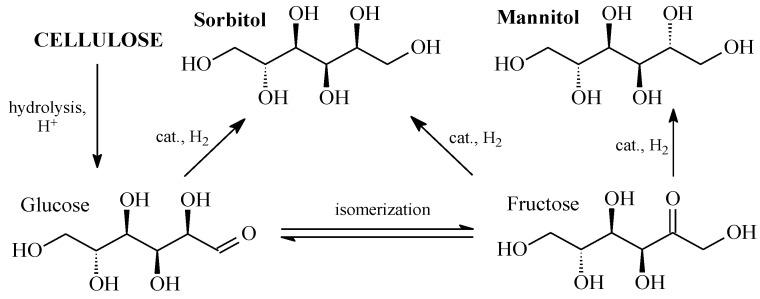
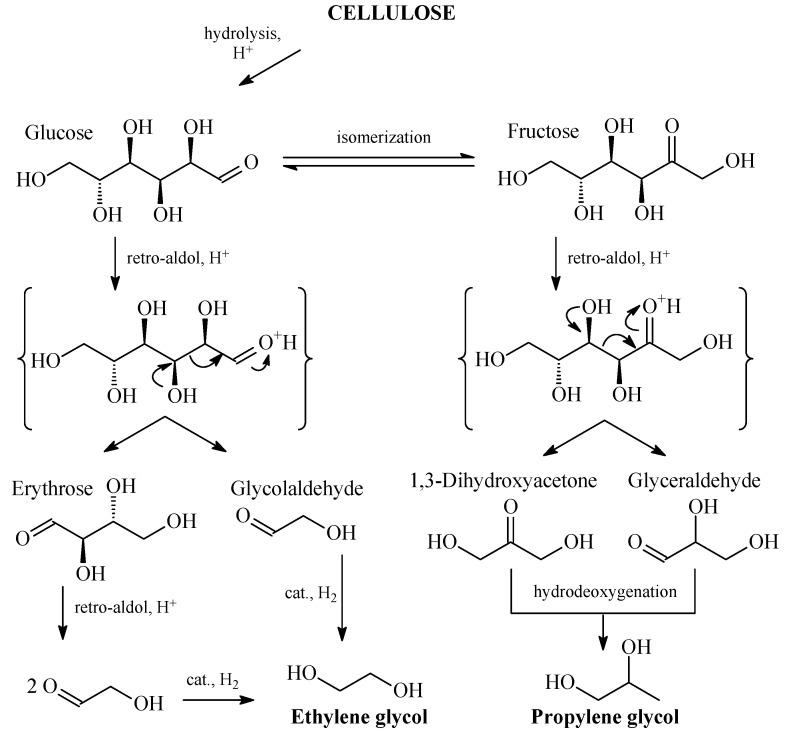
Platform chemicals, also known as chemical building blocks, are substances that serve as starting materials for the synthesis of various value-added products, which find a wide range of applications. These chemicals are the key ingredients for many fine and specialty chemicals. Most of the transformations of platform chemicals are catalytic processes, which should meet the requirements of sustainable chemistry: to be not toxic for humans, to be safe for the environment, and to allow multiple reuses of catalytic materials. This paper presents an overview of a new class of heterogeneous catalysts based on nanoparticles of catalytically active metals stabilized by a polymer matrix of hypercrosslinked polystyrene (HPS). This polymeric support is characterized by hierarchical porosity (including meso- and macropores along with micropores), which is important both for the formation of metal nanoparticles and for efficient mass transfer of reactants. The influence of key parameters such as the morphology of nanoparticles (bimetallic versus monometallic) and the presence of functional groups in the polymer matrix on the catalytic properties is considered. Emphasis is placed on the use of this class of heterogeneous catalysts for the conversion of plant polysaccharides into polyols (sorbitol, mannitol, and glycols), hydrogenation of levulinic acid, furfural, oxidation of disaccharides, and some other reactions that might be useful for large-scale industrial processes that aim to be sustainable. Some challenges related to the use of HPS-based catalysts are addressed and multiple perspectives are discussed.
平台化学品,也被称为化学基石,是作为合成各种增值产品的起始原料的物质,这些增值产品有广泛的应用。这些化学品是许多精细化学品和特种化学品的关键成分。平台化学品的大多数转化过程是催化过程,这些过程应满足可持续化学的要求:对人类无毒,对环境安全,并允许催化材料多次重复使用。本文概述了一类新型的非均相催化剂,该催化剂基于由超交联聚苯乙烯(HPS)的聚合物基质稳定的催化活性金属纳米颗粒。这种聚合物载体的特征在于分级孔隙率(包括中孔和大孔以及微孔),这对于金属纳米颗粒的形成和反应物的有效传质都很重要。考虑了关键参数如纳米颗粒的形态(双金属与单金属)和聚合物基质中官能团的存在对催化性能的影响。重点在于使用这类非均相催化剂将植物多糖转化为多元醇(山梨醇、甘露醇和二醇)、乙酰丙酸的氢化、糠醛、二糖的氧化以及其他一些可能对旨在实现可持续发展的大规模工业过程有用的反应。讨论了与使用基于HPS的催化剂相关的一些挑战并探讨了多个观点。




 Zotero 插件