
虎坚果/椰子饮食干预作为针对小鼠有机磷诱导的肠脑轴失调后神经行为缺陷的解毒营养修复策略。
Tiger nut/coconut dietary intervention as antidotal nutritional remediation strategy against neurobehavioural deficits following organophosphate-induced gut-brain axis dysregulation in mice.
作者信息
Enye Linus Anderson, Edem Edem Ekpenyong, Onyeogaziri Lydia Ijeoma, Yusuf Augustine, Ikpade Bliss Oluwafunmi, Ikuelogbon Daniel Akinwale, Kunlere Oladunni Eunice, Adedokun Mujeeb Adekunle
机构信息
Stress & Neuroimmunology Group, Neuroscience Unit, Department of Human Anatomy, College of Medicine and Health Sciences, Afe Babalola University, Ado-Ekiti, Ekiti State, Nigeria.
Department of Anatomy, College of Medicine, University of Lagos, Idi-Araba, Lagos State, Nigeria.
出版信息
Toxicol Rep. 2023 Dec 9;12:23-40. doi: 10.1016/j.toxrep.2023.12.003. eCollection 2024 Jun.
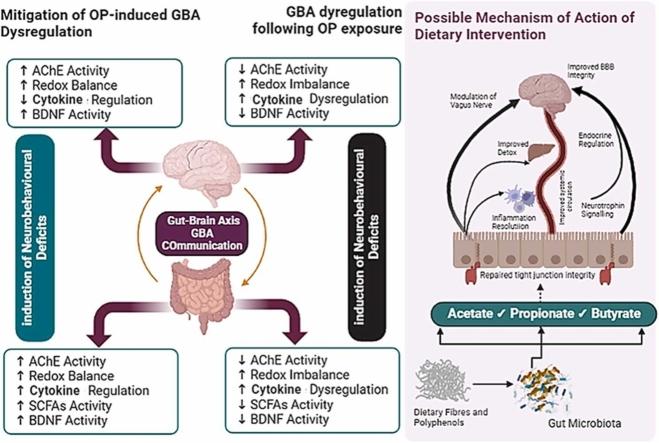
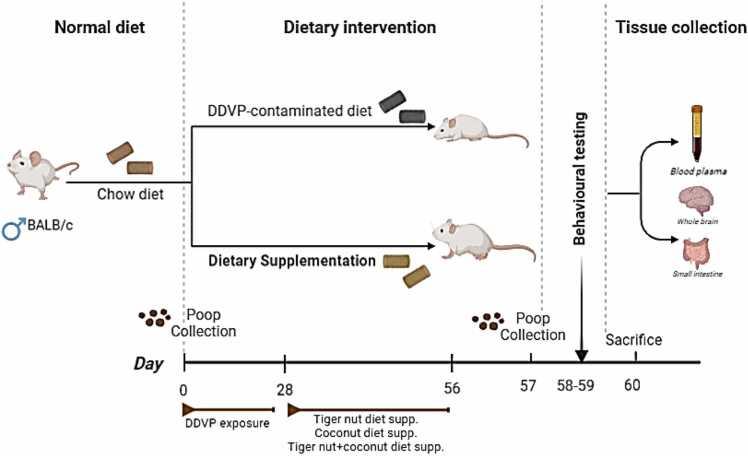
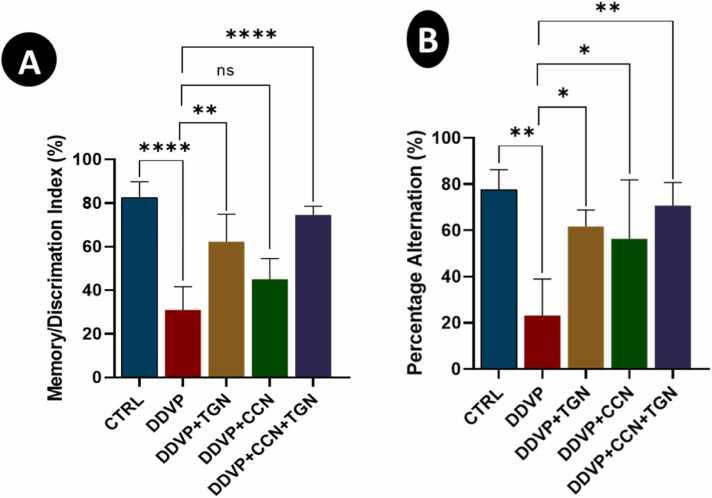
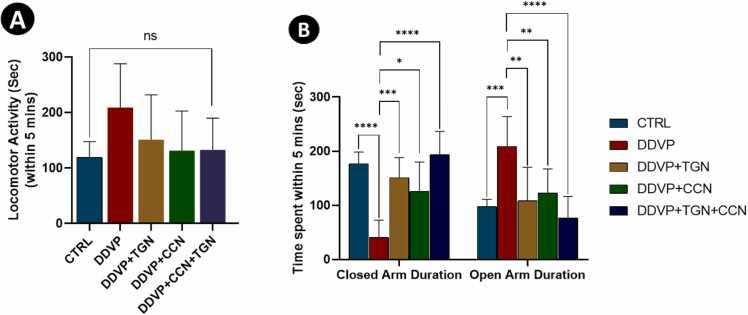
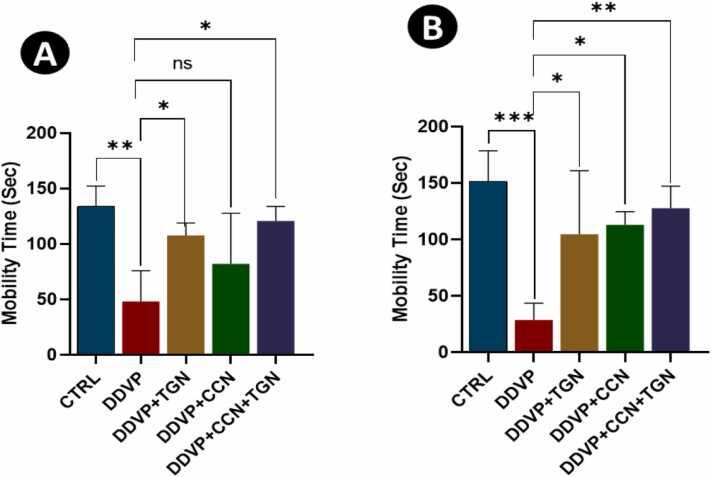
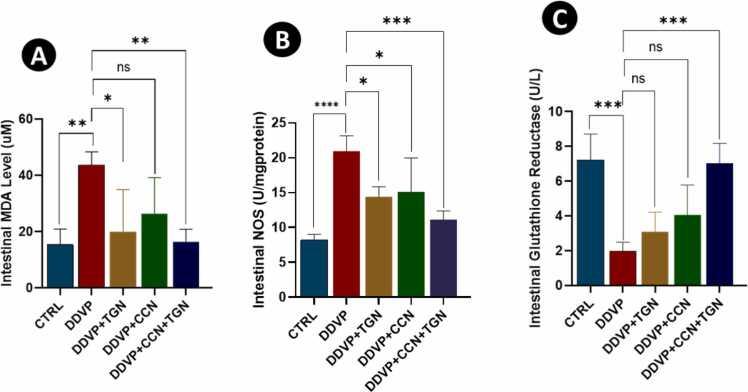
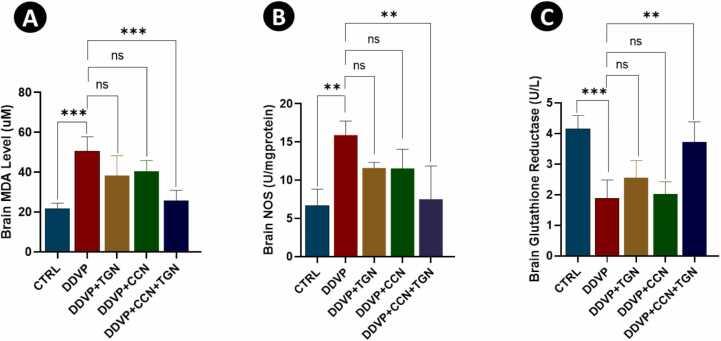
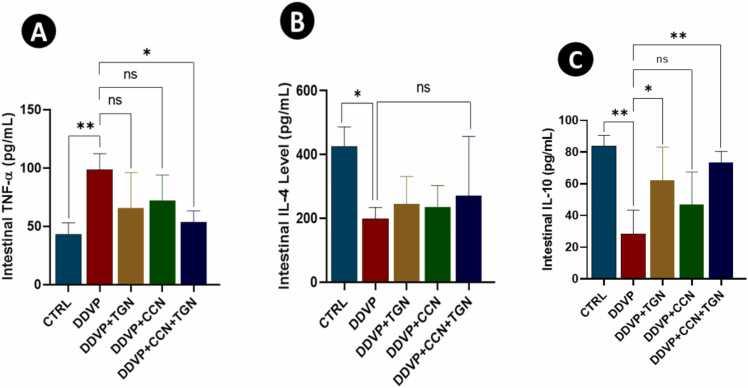
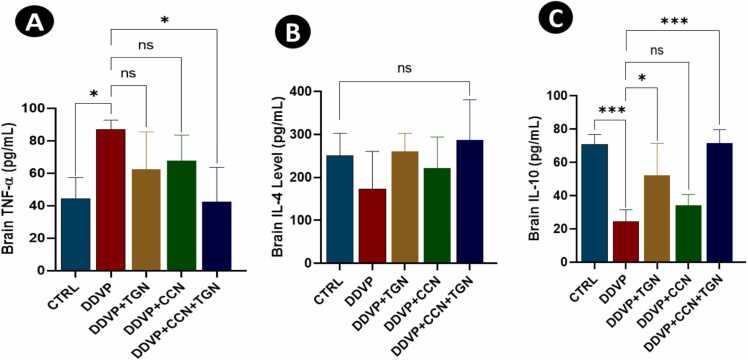
Organophosphate poisoning remains a global health crisis without efficacious treatments to prevent neurotoxicity. We examined whether antidotal tiger nut and coconut dietary intervention could ameliorate neurobehavioral deficits from organophosphate dichlorvos-induced gut-brain axis dysregulation in a mouse model. Mice were divided into groups given control diet, dichlorvos-contaminated diets, or dichlorvos plus nut-enriched diets. They were exposed to a DDVP-contaminated diet for 4 weeks before exposure to the treatment diets for another 8 weeks. This was followed by behavioural assessments for cognitive, motor, anxiety-, and depressive-like behaviours. Faecal samples (pre- and post-treatment), as well as blood, brain, and gut tissues, were collected for biochemical assessments following euthanasia. Dichlorvos-exposed mice displayed impairments in cognition, motor function, and mood along with disrupted inflammatory and antioxidant responses, neurotrophic factor levels, and acetylcholinesterase activity in brain and intestinal tissues. Weight loss and altered short-chain fatty acid levels additionally indicated gut dysfunction. However, intervention with tiger nut and/or coconut- enriched diet after dichlorvos exposure attenuated these neurobehavioral, and biochemical alterations. Our findings demonstrate organophosphate-induced communication disruptions between the gut and brain pathways that manifest in neuropsychiatric disturbances. Overall, incorporating fibre-rich nuts may represent an antidotal dietary strategy to reduce neurotoxicity and prevent brain disorders associated with organophosphate poisoning.
有机磷中毒仍然是一个全球性的健康危机,目前尚无有效的治疗方法来预防神经毒性。我们研究了食用含有抗毒成分的虎坚果和椰子的饮食干预措施,是否能够改善在小鼠模型中由有机磷敌敌畏引起的肠脑轴失调所导致的神经行为缺陷。将小鼠分为三组,分别给予对照饮食、受敌敌畏污染的饮食或敌敌畏加富含坚果的饮食。在接触治疗饮食之前,它们先接触受敌敌畏污染的饮食4周,然后再接触治疗饮食8周。随后对小鼠进行认知、运动、焦虑样和抑郁样行为的行为评估。在小鼠安乐死后,收集粪便样本(治疗前后)以及血液、大脑和肠道组织,进行生化评估。接触敌敌畏的小鼠在认知、运动功能和情绪方面出现障碍,同时大脑和肠道组织中的炎症和抗氧化反应、神经营养因子水平以及乙酰胆碱酯酶活性也受到干扰。体重减轻和短链脂肪酸水平改变还表明肠道功能紊乱。然而,在接触敌敌畏后用富含虎坚果和/或椰子的饮食进行干预,可减轻这些神经行为和生化改变。我们的研究结果表明,有机磷会导致肠道与大脑通路之间的通讯中断,从而表现为神经精神障碍。总体而言,摄入富含纤维的坚果可能是一种抗毒饮食策略,可降低神经毒性并预防与有机磷中毒相关的脑部疾病。






 Zotero 插件