
细胞外囊泡在动脉粥样硬化中的研究进展。
Extracellular Vesicles in Atherosclerosis: State of the Art.
机构信息
Department of Biochemistry and Pharmacogenomics, Faculty of Pharmacy, Medical University of Warsaw, 02-091 Warsaw, Poland.
Centre for Preclinical Research, Medical University of Warsaw, 02-091 Warsaw, Poland.
出版信息
Int J Mol Sci. 2023 Dec 27;25(1):388. doi: 10.3390/ijms25010388.
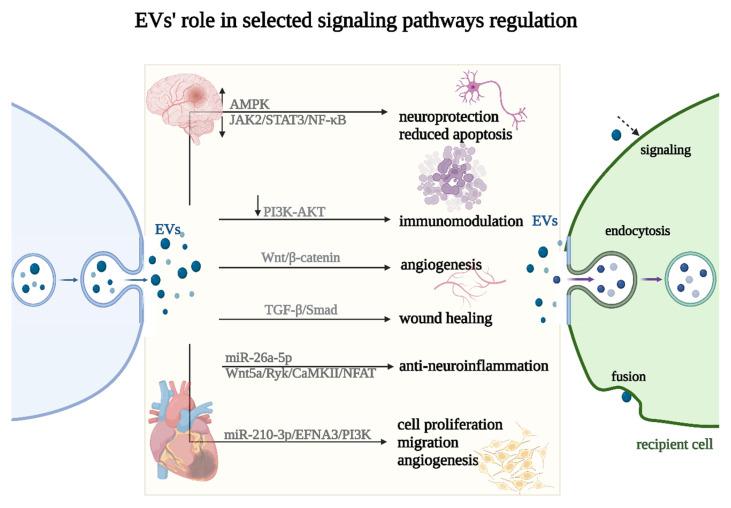
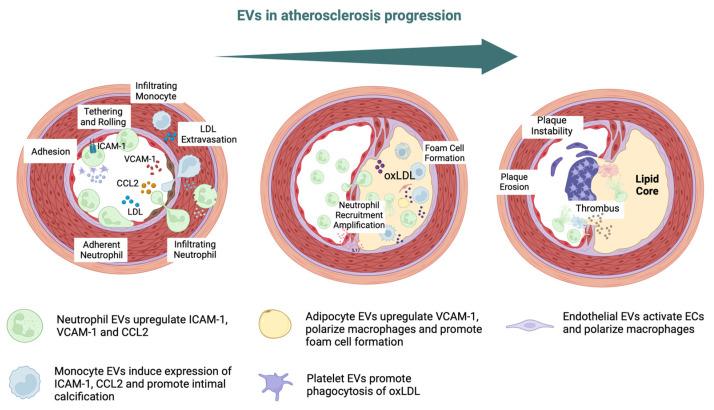
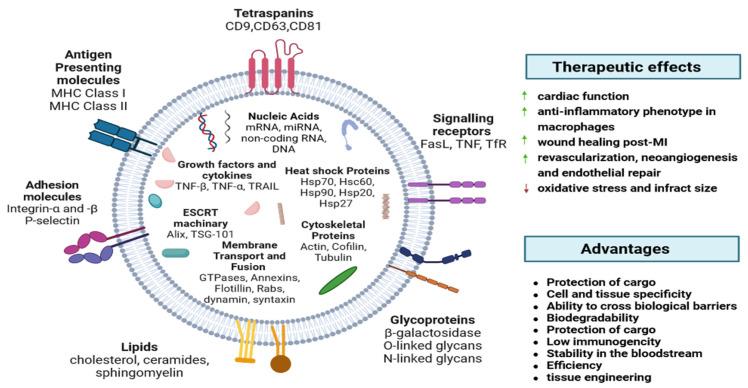
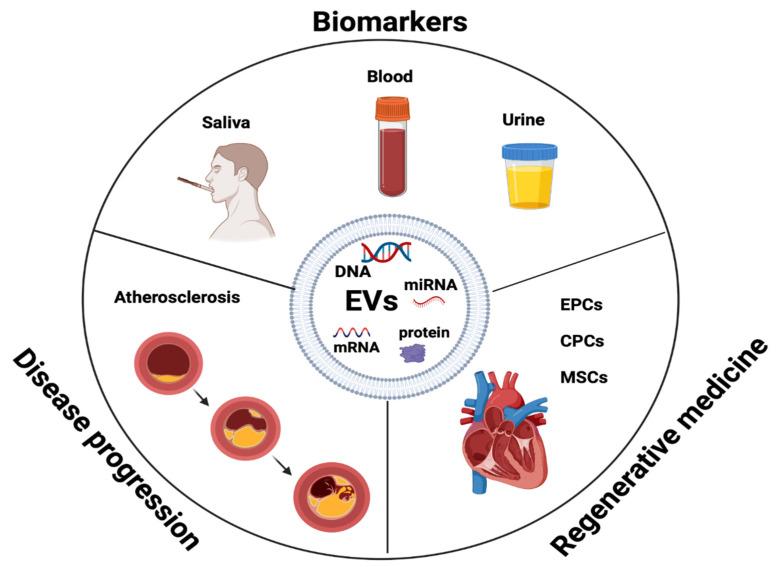
Atherosclerosis is a chronic inflammatory disease driven by lipid accumulation in the arteries, leading to narrowing and thrombosis that causes mortality. Emerging evidence has confirmed that atherosclerosis affects younger people and is involved in the majority of deaths worldwide. EVs are associated with critical steps in atherosclerosis, cholesterol metabolism, immune response, endothelial dysfunction, vascular inflammation, and remodeling. Endothelial cell-derived EVs can interact with platelets and monocytes, thereby influencing endothelial dysfunction, atherosclerotic plaque destabilization, and the formation of thrombus. EVs are potential diagnostic and prognostic biomarkers in atherosclerosis (AS) and cardiovascular disease (CVD). Importantly, EVs derived from stem/progenitor cells are essential mediators of cardiogenesis and cardioprotection and may be used in regenerative medicine and tissue engineering.
动脉粥样硬化是一种由动脉内脂质积累驱动的慢性炎症性疾病,导致狭窄和血栓形成,从而导致死亡。新出现的证据证实,动脉粥样硬化影响年轻人,并涉及全球大多数死亡。外泌体与动脉粥样硬化的关键步骤有关,包括胆固醇代谢、免疫反应、内皮功能障碍、血管炎症和重塑。内皮细胞衍生的外泌体可以与血小板和单核细胞相互作用,从而影响内皮功能障碍、动脉粥样硬化斑块不稳定和血栓形成。外泌体是动脉粥样硬化(AS)和心血管疾病(CVD)的潜在诊断和预后生物标志物。重要的是,来源于干细胞/祖细胞的外泌体是心脏发生和心脏保护的重要介质,可用于再生医学和组织工程。

 Zotero 插件