
用于生产增强型生物塑料薄膜的安乔特()淀粉和增强型恩塞特()纤维的提取与表征研究。 需注意,原文中括号里的内容缺失,可能会影响对准确意思的理解。
Study on extraction and characterization of anchote () starch and reinforced enset () fiber for the production of reinforced bioplastic film.
作者信息
Majamo Samuel Latebo, Amibo Temesgen Abeto
机构信息
Department of Chemical Engineering, College of Engineering and Technology, Wachemo University, Hossana, Ethiopia.
Department of Process Engineering and Chemical Technology, Faculty of Chemistry, Gdansk University of Technology, Narutowicza 11/12, 80-233, Gdansk, Poland.
出版信息
Heliyon. 2023 Dec 1;10(1):e23098. doi: 10.1016/j.heliyon.2023.e23098. eCollection 2024 Jan 15.
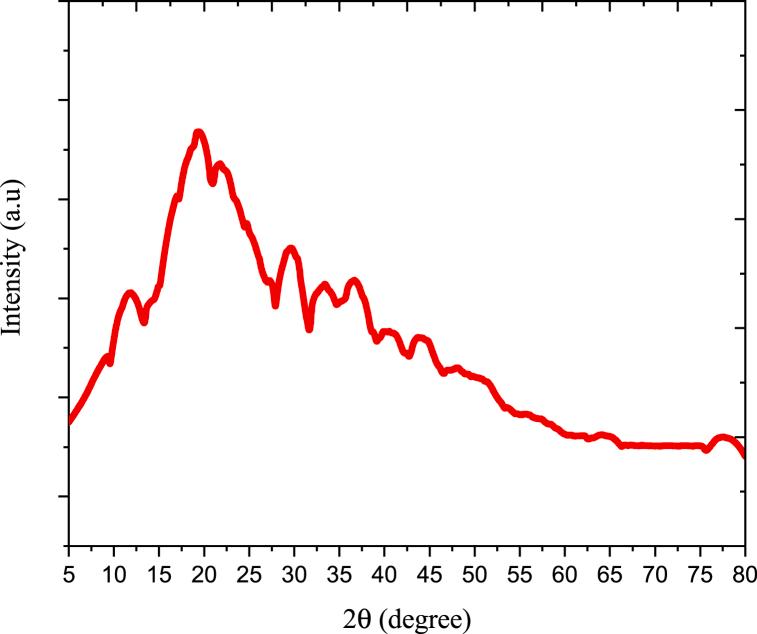
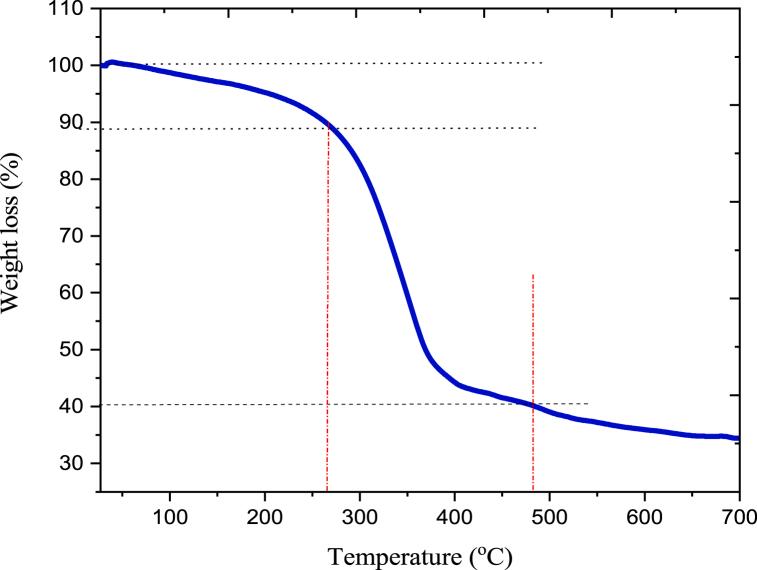
Population expansion is causing an increase in dependence on plastic materials. The worst aspects of conventional plastics were their inability to biodegrade, their poor capacity to transmit water vapor, and their production of greenhouse gases. Usages of bioplastics are necessary for the advancement of a green economy and environment in order to eradicate these drawbacks of traditional plastics. In this study, reinforced bioplastic film was produced from anchote starch and enset () fiber. Starch from anchote was extracted and its properties were characterized via adequate techniques. The maximum carbohydrate content (86.26 ± 0.25%w/w) of anchote starch indicates that it is suitable feedstock for plastic film production. In addition, extracted starch was characterized by SEM, FTIR, TGA and XRD. The reinforcing material enset fiber was extracted and characterized by FTIR and XRD. The results of both feedstock materials exhibited the good characteristics and viability for bioplastic film production. Enset fiber loadings used were 0 %, 4 %, 8 %, 12 % and 16 % w/w in starch basis. Tensile strength, elongation, thickness, moisture content, transparency, solubility and density of produced bioplastic were determined. Tensile force grew and elongation reduced as fiber loading rose up to 8 %. The tensile strength gradually declined with increasing fiber loading. Additionally, the created bioplastic film's groups of functions and chemical bonds were examined. In comparison to unreinforced plastic film, the results showed that the reinforced bioplastic film used in this study was an excellent and effective product.
人口膨胀导致对塑料材料的依赖增加。传统塑料最糟糕的方面在于它们无法生物降解、透水汽能力差以及会产生温室气体。为了消除传统塑料的这些缺点,生物塑料的使用对于绿色经济和环境的发展至关重要。在本研究中,增强型生物塑料薄膜由安乔特淀粉和蕉麻纤维制成。提取了安乔特淀粉,并通过适当技术对其性能进行了表征。安乔特淀粉的最大碳水化合物含量(86.26 ± 0.25%w/w)表明它是生产塑料薄膜的合适原料。此外,通过扫描电子显微镜(SEM)、傅里叶变换红外光谱(FTIR)、热重分析(TGA)和X射线衍射(XRD)对提取的淀粉进行了表征。增强材料蕉麻纤维被提取出来,并通过FTIR和XRD进行了表征。两种原料的结果都显示出用于生产生物塑料薄膜的良好特性和可行性。以淀粉为基础,所用的蕉麻纤维负载量分别为0%、4%、8%、12%和16%w/w。测定了所生产生物塑料的拉伸强度、伸长率、厚度、水分含量、透明度、溶解度和密度。随着纤维负载量增加到8%,拉伸力增大而伸长率降低。随着纤维负载量的增加,拉伸强度逐渐下降。此外,还对所制备的生物塑料薄膜的官能团和化学键进行了研究。结果表明,与未增强的塑料薄膜相比,本研究中使用的增强型生物塑料薄膜是一种优异且有效的产品。




 Zotero 插件