
用细菌蛋白替代膳食中的鱼类蛋白可降低雌性小鼠的肥胖程度,并伴随肝脏基因表达变化 。
Replacement of Dietary Fish Protein with Bacterial Protein Results in Decreased Adiposity Coupled with Liver Gene Expression Changes in Female .
作者信息
Williams Michael B, Green George Bh, Palmer Joseph W, Fay Christian X, Chehade Sophie B, Lawrence Addison L, Barry Robert J, Powell Mickie L, Harris Melissa L, Watts Stephen A
机构信息
Department of Biology, University of Alabama at Birmingham, Birmingham, AL, United States.
Department of Genetics, University of Alabama at Birmingham, Birmingham, AL, United States.
出版信息
Curr Dev Nutr. 2023 Dec 9;8(1):102057. doi: 10.1016/j.cdnut.2023.102057. eCollection 2024 Jan.
BACKGROUND
Effective use of as a preclinical model requires standardization of macronutrient sources to achieve scientific reproducibility across studies and labs.
OBJECTIVE
Our objective was to evaluate a bacterial-based single-cell protein (SCP) for the production of open-source standardized diets with defined health characteristics for the zebrafish research community.
METHODS
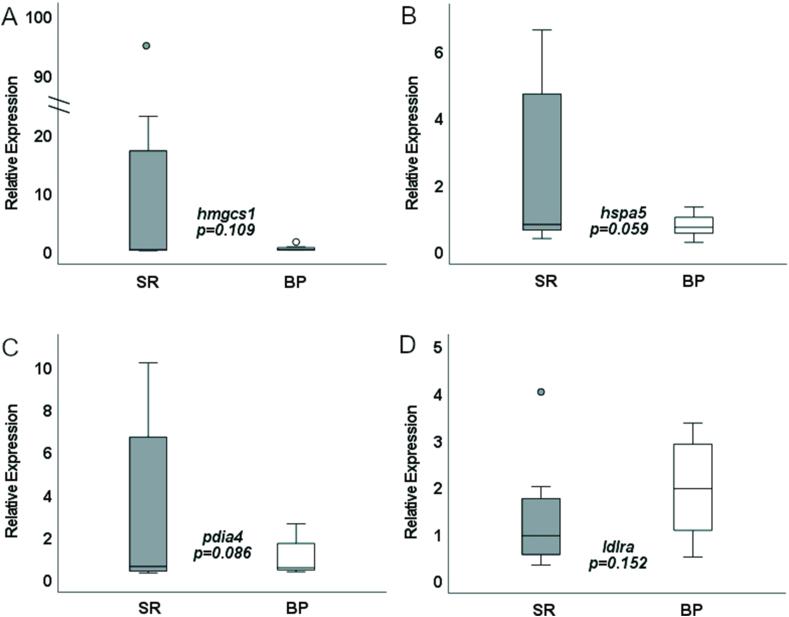
We completed a 16-wk feeding trial using juvenile 31 d postfertilization (10 tanks per diet and 14 per tank) with formulated diets containing either a typical fish protein ingredient [standard reference (SR) diet] or a novel bacterial SCP source [bacterial protein (BP) diet]. At the end of the feeding trial, growth metrics, body composition, reproductive success, and bulk transcriptomics of the liver (RNAseq on female with confirmatory rtPCR) were performed for each diet treatment.
RESULTS
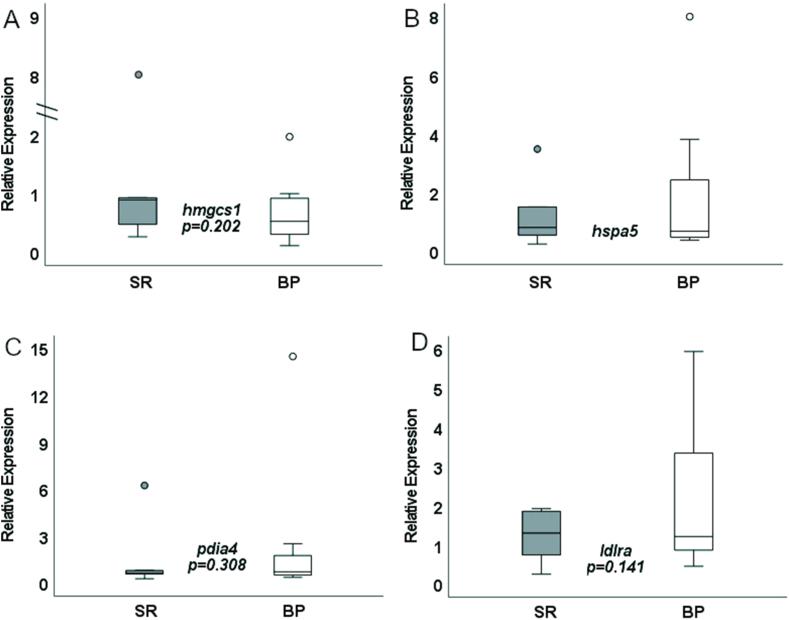
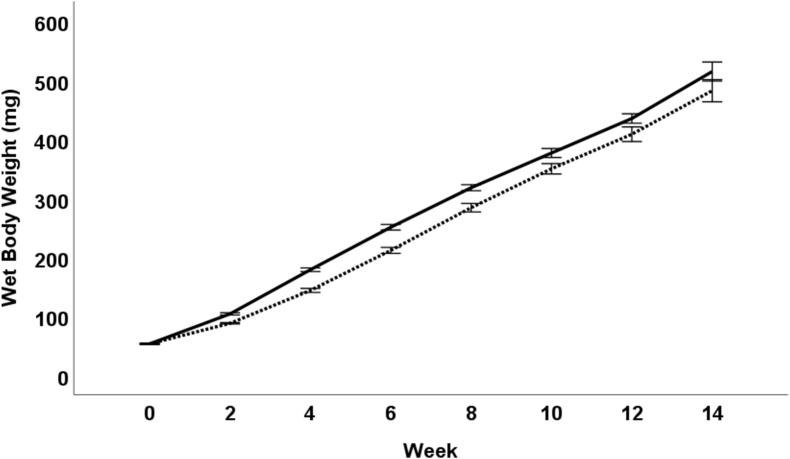
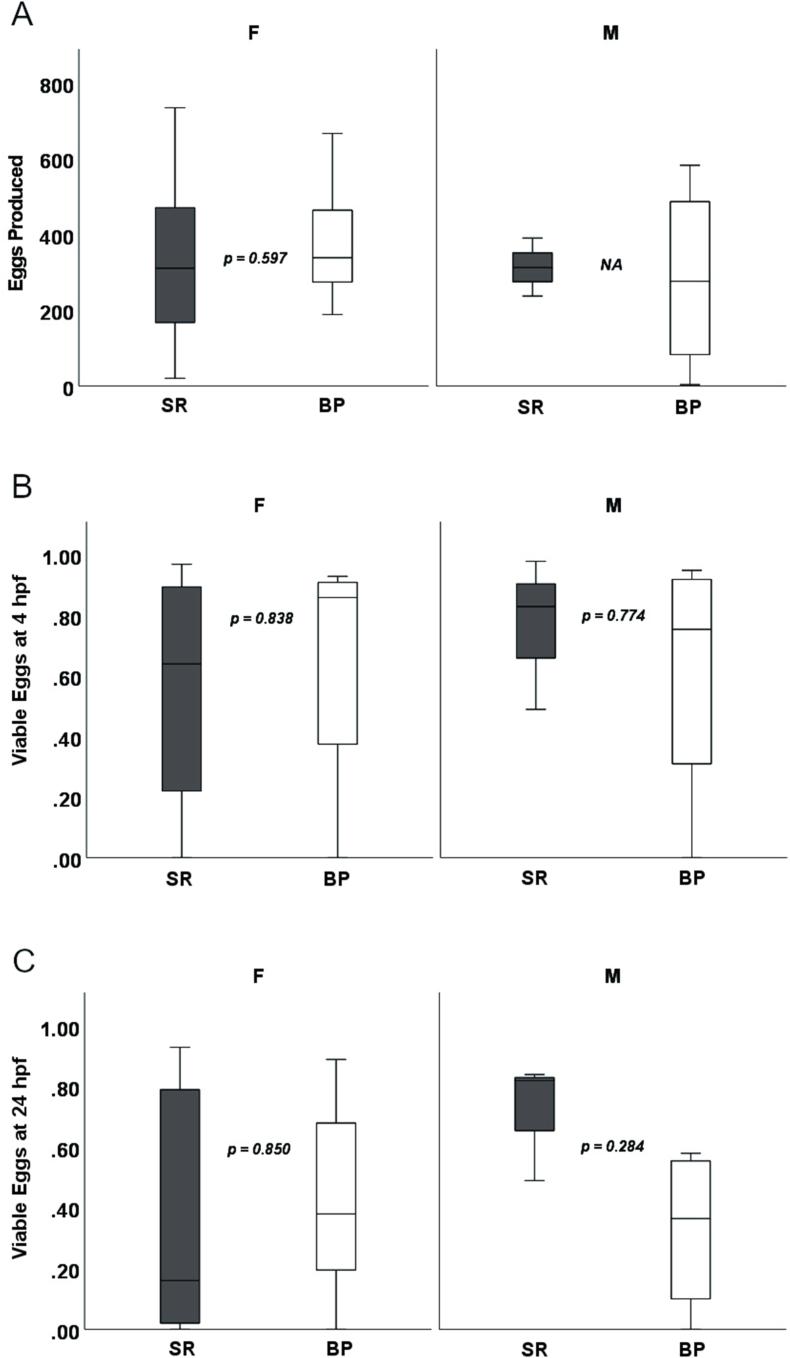
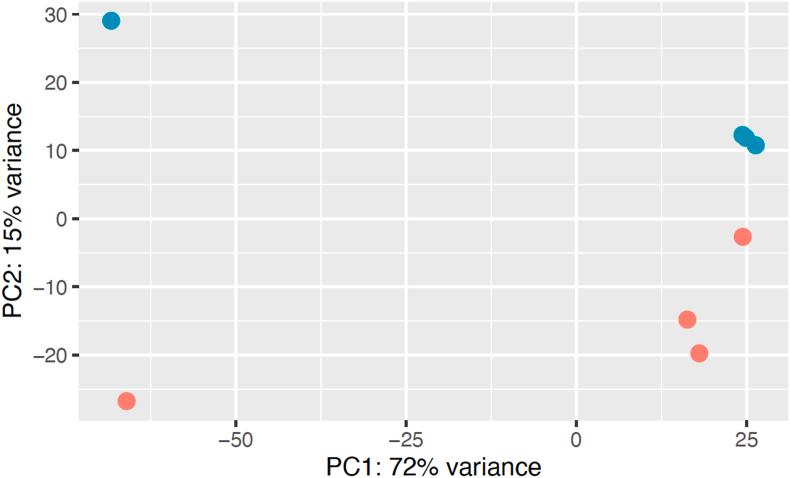
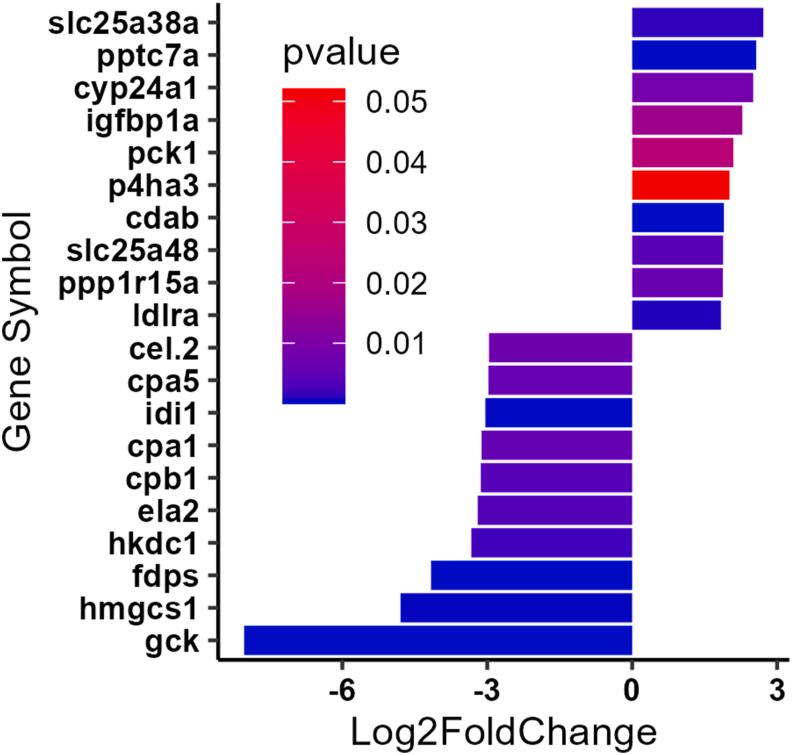
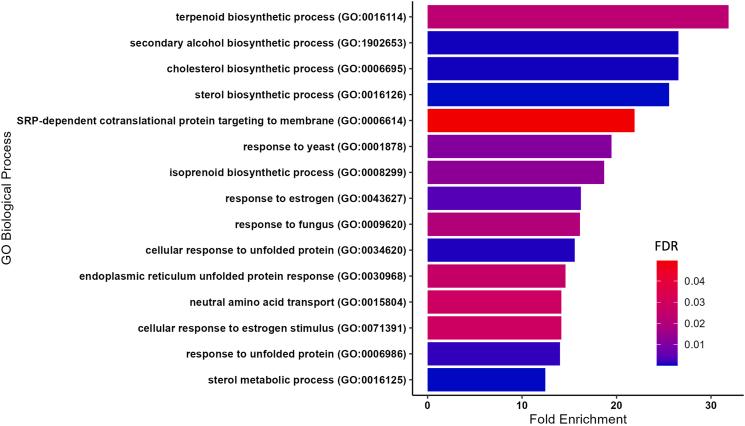
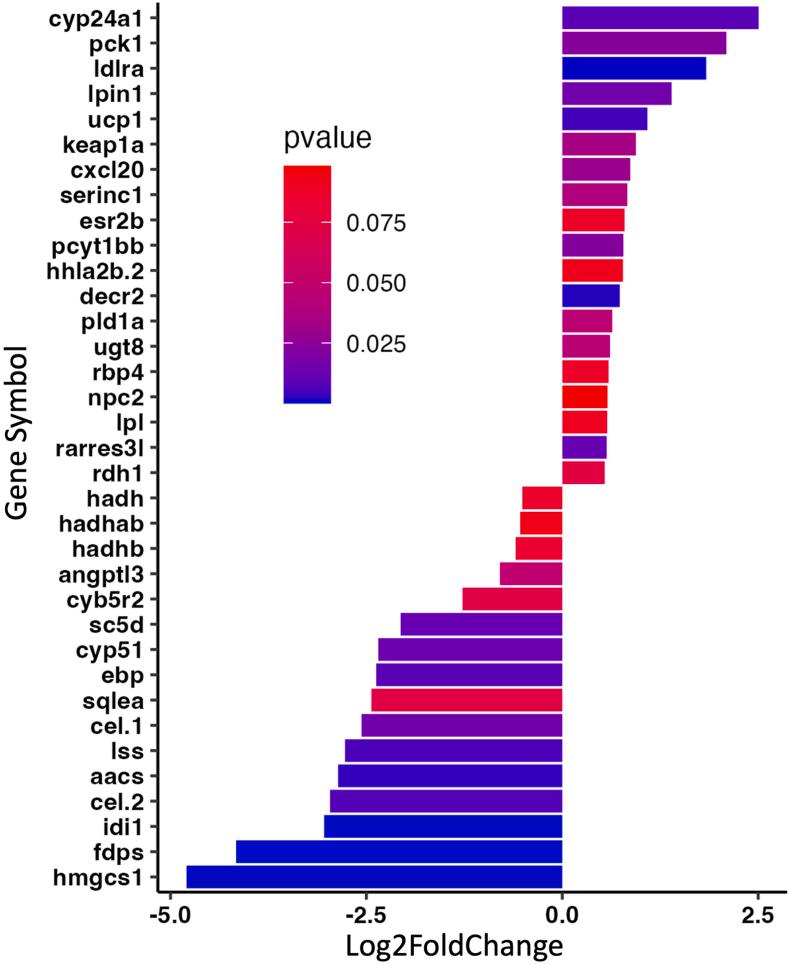
fed the BP diet had body weight gains equivalent to the fed fish protein, and females had significantly lower total carcass lipid, indicating reduced adiposity. Reproductive success was similar between treatments, suggesting normal physiological function. Genes differentially expressed in female fed the BP diet compared with females fed the SR diet were overrepresented in the gene ontologies of metabolism, biosynthesis of cholesterol precursors and products, and protein unfolding responses.
CONCLUSION
Protein source substantially affected body growth metrics and composition as well as gene expression. These data support the development of an open-source diet utilizing an ingredient that correlates with improved health profiles and reduced variability in notable outcomes.
背景
要将[具体内容缺失]有效地用作临床前模型,需要对常量营养素来源进行标准化,以实现跨研究和实验室的科学可重复性。
目的
我们的目标是评估一种基于细菌的单细胞蛋白(SCP),用于为斑马鱼研究群体生产具有明确健康特征的开源标准化饲料。
方法
我们使用受精后31天的幼鱼进行了为期16周的喂养试验(每种饲料10个水箱,每个水箱14条鱼),饲料配方中含有典型的鱼类蛋白成分[标准参考(SR)饲料]或新型细菌SCP来源[细菌蛋白(BP)饲料]。在喂养试验结束时,对每种饲料处理的生长指标、身体组成、繁殖成功率以及肝脏的大量转录组学(对雌性进行RNA测序,并通过实时定量PCR进行验证)进行了测定。
结果
喂食BP饲料的[具体内容缺失]体重增加与喂食鱼类蛋白的[具体内容缺失]相当,并且雌性的总胴体脂质显著降低,表明肥胖程度降低。各处理之间的繁殖成功率相似,表明生理功能正常。与喂食SR饲料的雌性相比,喂食BP饲料的雌性中差异表达的基因在代谢、胆固醇前体和产物的生物合成以及蛋白质解折叠反应的基因本体中过度富集。
结论
蛋白质来源对身体生长指标、组成以及基因表达有显著影响。这些数据支持开发一种利用与改善健康状况和减少显著结果变异性相关的成分的开源饲料。

 Zotero 插件