
口腔潜在恶性和恶性疾病管理中的化学预防及生物学策略
Chemopreventive and Biological Strategies in the Management of Oral Potentially Malignant and Malignant Disorders.
作者信息
Viglianisi Gaia, Polizzi Alessandro, Grippaudo Cristina, Cocuzza Salvatore, Leonardi Rosalia, Isola Gaetano
机构信息
Department of General Surgery and Surgical-Medical Specialties, School of Dentistry, University of Catania, Via S. Sofia 68, 95124 Catania, Italy.
Head and Neck Department, Università Cattolica del Sacro Cuore, Fondazione Policlinico Universitario A. Gemelli IRCCS, Largo A. Gemelli 8, 00168 Rome, Italy.
出版信息
Bioengineering (Basel). 2024 Jan 9;11(1):65. doi: 10.3390/bioengineering11010065.
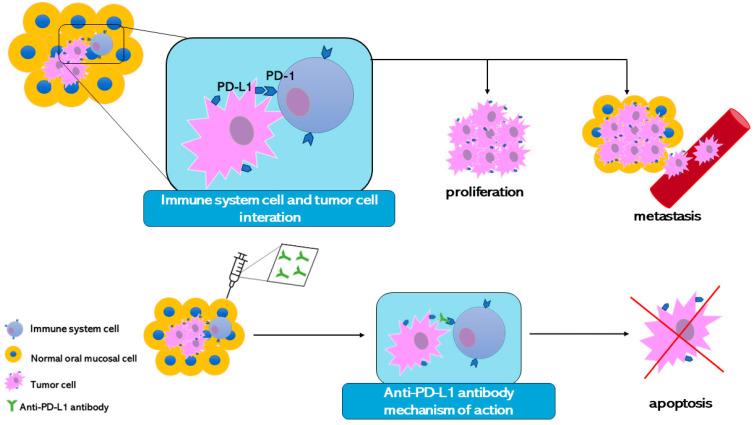
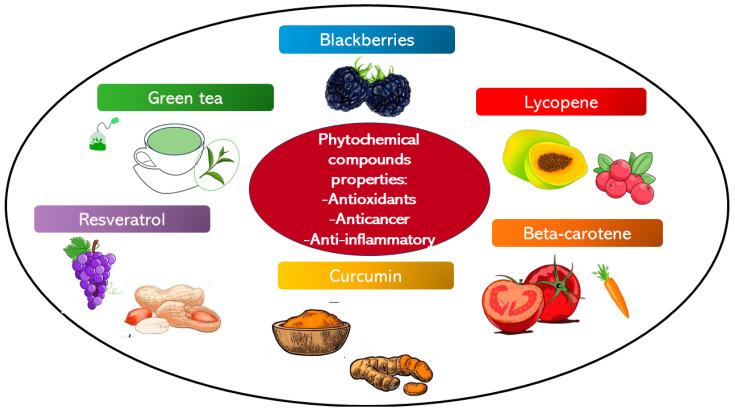
Oral potentially malignant disorders (OPMD) and oral squamous cell carcinoma (OSCC) represent a significant global health burden due to their potential for malignant transformation and the challenges associated with their diagnosis and treatment. Chemoprevention, an innovative approach aimed at halting or reversing the neoplastic process before full malignancy, has emerged as a promising avenue for mitigating the impact of OPMD and OSCC. The pivotal role of chemopreventive strategies is underscored by the need for effective interventions that go beyond traditional therapies. In this regard, chemopreventive agents offer a unique opportunity to intercept disease progression by targeting the molecular pathways implicated in carcinogenesis. Natural compounds, such as curcumin, green tea polyphenols, and resveratrol, exhibit anti-inflammatory, antioxidant, and anti-cancer properties that could make them potential candidates for curtailing the transformation of OPMD to OSCC. Moreover, targeted therapies directed at specific molecular alterations hold promise in disrupting the signaling cascades driving OSCC growth. Immunomodulatory agents, like immune checkpoint inhibitors, are gaining attention for their potential to harness the body's immune response against early malignancies, thus impeding OSCC advancement. Additionally, nutritional interventions and topical formulations of chemopreventive agents offer localized strategies for preventing carcinogenesis in the oral cavity. The challenge lies in optimizing these strategies for efficacy, safety, and patient compliance. This review presents an up to date on the dynamic interplay between molecular insights, clinical interventions, and the broader goal of reducing the burden of oral malignancies. As research progresses, the synergy between early diagnosis, non-invasive biomarker identification, and chemopreventive therapy is poised to reshape the landscape of OPMD and OSCC management, offering a glimpse of a future where these diseases are no longer insurmountable challenges but rather preventable and manageable conditions.
口腔潜在恶性疾病(OPMD)和口腔鳞状细胞癌(OSCC)因其潜在的恶性转化以及诊断和治疗相关的挑战,给全球健康带来了重大负担。化学预防是一种旨在在完全恶变之前阻止或逆转肿瘤形成过程的创新方法,已成为减轻OPMD和OSCC影响的一个有前景的途径。超越传统疗法的有效干预措施的需求凸显了化学预防策略的关键作用。在这方面,化学预防剂通过靶向致癌过程中涉及的分子途径,提供了一个拦截疾病进展的独特机会。天然化合物,如姜黄素、绿茶多酚和白藜芦醇,具有抗炎、抗氧化和抗癌特性,这可能使它们成为减少OPMD向OSCC转化的潜在候选物。此外,针对特定分子改变的靶向疗法有望破坏驱动OSCC生长的信号级联反应。免疫调节药物,如免疫检查点抑制剂,因其利用机体免疫反应对抗早期恶性肿瘤从而阻碍OSCC进展的潜力而受到关注。此外,营养干预和化学预防剂的局部制剂为预防口腔癌发生提供了局部策略。挑战在于优化这些策略以提高疗效、安全性和患者依从性。本综述介绍了分子见解、临床干预与减轻口腔恶性肿瘤负担这一更广泛目标之间动态相互作用的最新情况。随着研究的进展,早期诊断、非侵入性生物标志物识别和化学预防治疗之间的协同作用有望重塑OPMD和OSCC的管理格局,让人们看到这些疾病不再是无法克服的挑战,而是可预防和可管理疾病的未来前景。

 Zotero 插件