
新冠病毒mRNA疫苗:注册试验和全球疫苗接种运动的经验教训
COVID-19 mRNA Vaccines: Lessons Learned from the Registrational Trials and Global Vaccination Campaign.
作者信息
Mead M Nathaniel, Seneff Stephanie, Wolfinger Russ, Rose Jessica, Denhaerynck Kris, Kirsch Steve, McCullough Peter A
机构信息
Biology and Nutritional Epidemiology, Independent Research, Copper Hill, USA.
Computer Science and Artificial Intelligence Laboratory, Massachusetts Institute of Technology, Cambridge, USA.
出版信息
Cureus. 2024 Jan 24;16(1):e52876. doi: 10.7759/cureus.52876. eCollection 2024 Jan.
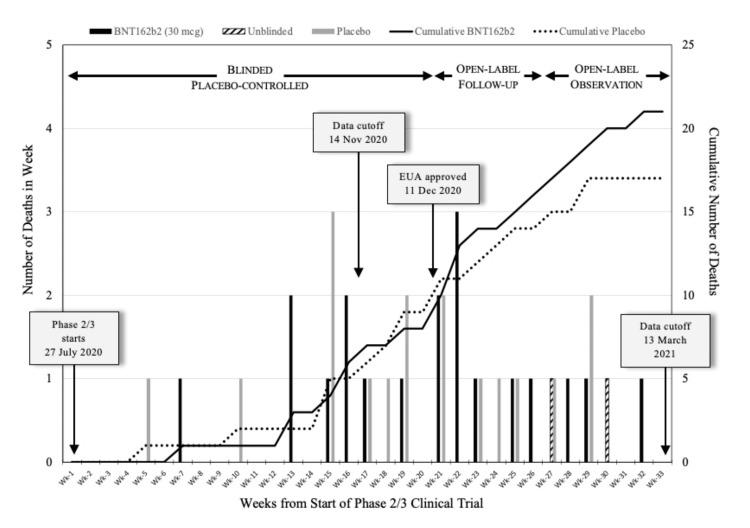
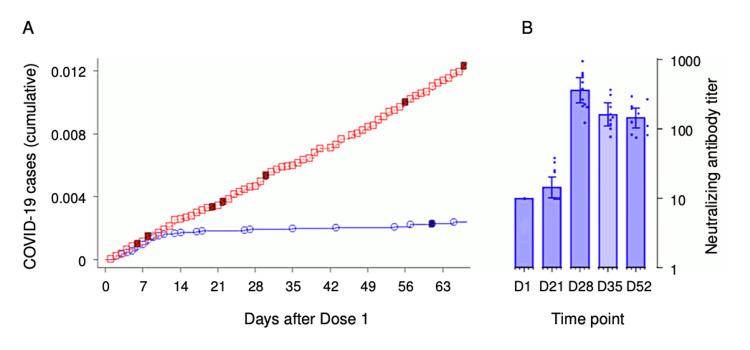
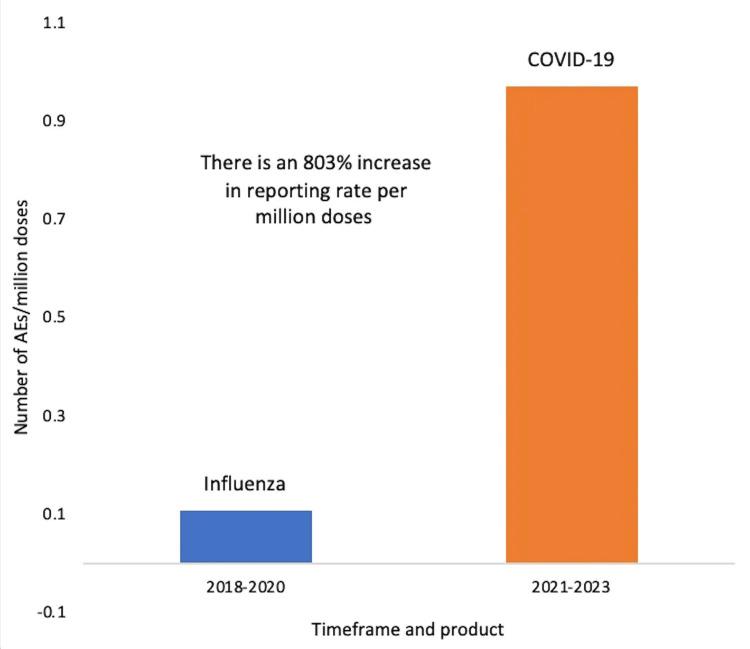
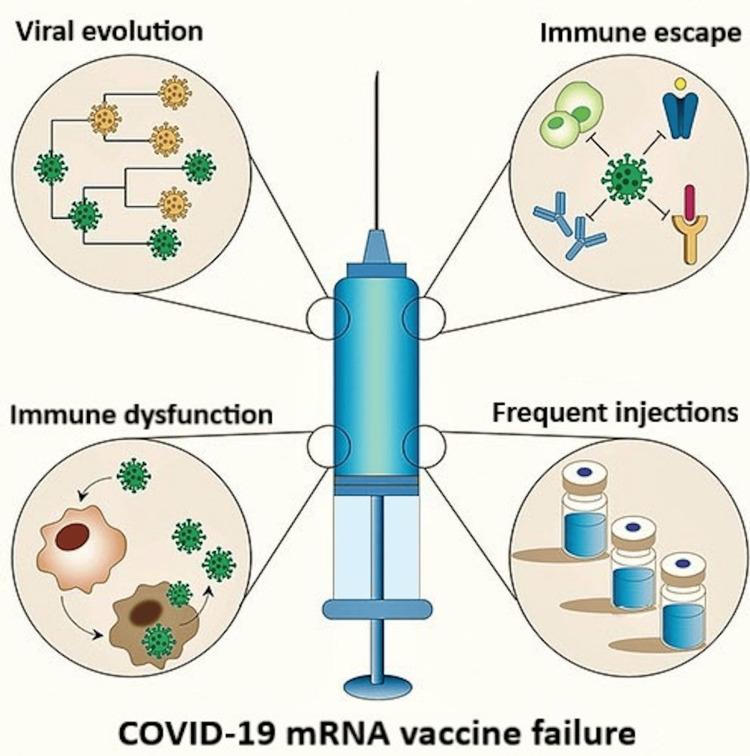
Our understanding of COVID-19 vaccinations and their impact on health and mortality has evolved substantially since the first vaccine rollouts. Published reports from the original randomized phase 3 trials concluded that the COVID-19 mRNA vaccines could greatly reduce COVID-19 symptoms. In the interim, problems with the methods, execution, and reporting of these pivotal trials have emerged. Re-analysis of the Pfizer trial data identified statistically significant increases in serious adverse events (SAEs) in the vaccine group. Numerous SAEs were identified following the Emergency Use Authorization (EUA), including death, cancer, cardiac events, and various autoimmune, hematological, reproductive, and neurological disorders. Furthermore, these products never underwent adequate safety and toxicological testing in accordance with previously established scientific standards. Among the other major topics addressed in this narrative review are the published analyses of serious harms to humans, quality control issues and process-related impurities, mechanisms underlying adverse events (AEs), the immunologic basis for vaccine inefficacy, and concerning mortality trends based on the registrational trial data. The risk-benefit imbalance substantiated by the evidence to date contraindicates further booster injections and suggests that, at a minimum, the mRNA injections should be removed from the childhood immunization program until proper safety and toxicological studies are conducted. Federal agency approval of the COVID-19 mRNA vaccines on a blanket-coverage population-wide basis had no support from an honest assessment of all relevant registrational data and commensurate consideration of risks versus benefits. Given the extensive, well-documented SAEs and unacceptably high harm-to-reward ratio, we urge governments to endorse a global moratorium on the modified mRNA products until all relevant questions pertaining to causality, residual DNA, and aberrant protein production are answered.
自首次推出新冠疫苗以来,我们对新冠疫苗接种及其对健康和死亡率的影响的理解有了很大的变化。最初的3期随机试验发表的报告得出结论,新冠mRNA疫苗可以大大减轻新冠症状。在此期间,这些关键试验的方法、实施和报告出现了问题。对辉瑞试验数据的重新分析发现,疫苗组的严重不良事件(SAE)在统计学上有显著增加。在紧急使用授权(EUA)之后,发现了许多SAE,包括死亡、癌症、心脏事件以及各种自身免疫性、血液学、生殖和神经系统疾病。此外,这些产品从未按照先前确立的科学标准进行充分的安全性和毒理学测试。本叙述性综述中涉及的其他主要主题包括已发表的对人类严重危害的分析、质量控制问题和与工艺相关的杂质、不良事件(AE)的潜在机制、疫苗无效的免疫学基础以及基于注册试验数据的令人担忧的死亡率趋势。迄今为止的证据证实的风险效益失衡表明不应再进行加强注射,并且至少在进行适当的安全性和毒理学研究之前,应将mRNA注射从儿童免疫计划中移除。联邦机构在全人群范围内全面批准新冠mRNA疫苗,并未得到对所有相关注册数据的如实评估以及对风险与收益的相应考量的支持。鉴于广泛且有充分记录的SAE以及高得令人无法接受的危害与回报比率,我们敦促各国政府批准全球暂停使用改良型mRNA产品,直到所有与因果关系、残留DNA和异常蛋白质产生相关的问题得到解答。




 Zotero 插件