
下一代表型分析在歌舞伎综合征诊断及表型-基因型相关性研究中的应用。
Next generation phenotyping for diagnosis and phenotype-genotype correlations in Kabuki syndrome.
机构信息
Imagine Institute, INSERM UMR1163, 75015, Paris, France.
Service de chirurgie maxillo-faciale et chirurgie plastique, Hôpital Necker-Enfants Malades, Assistance Publique-Hôpitaux de Paris, Paris, France.
出版信息
Sci Rep. 2024 Jan 28;14(1):2330. doi: 10.1038/s41598-024-52691-3.
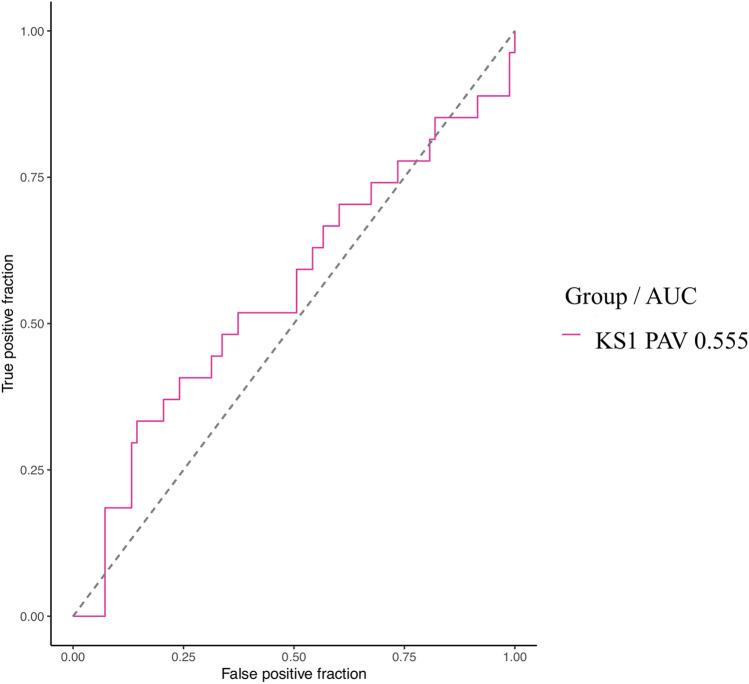
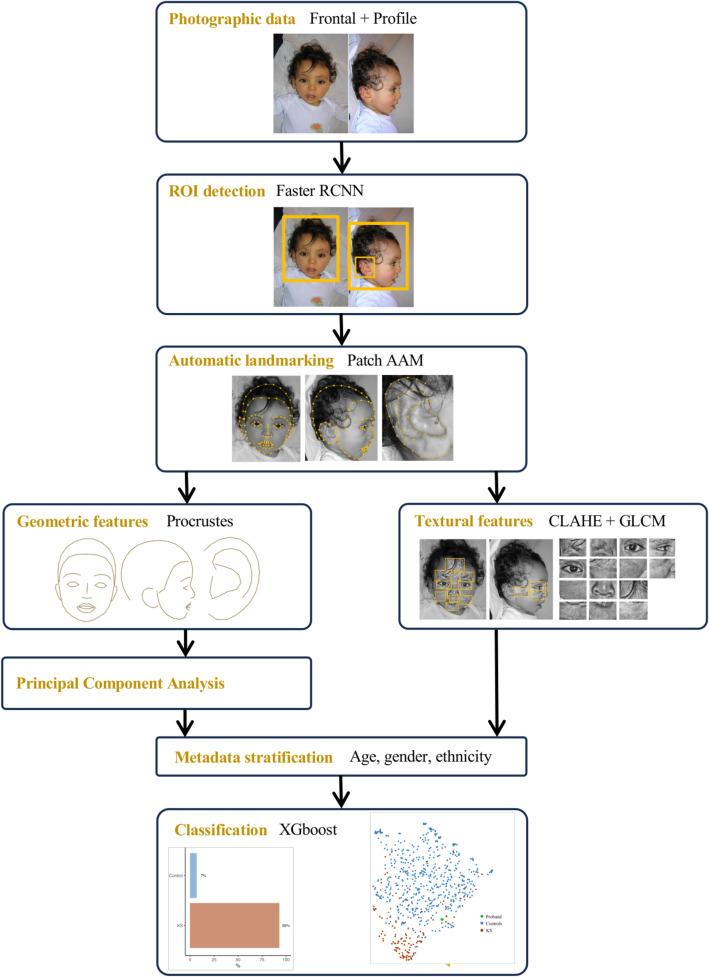
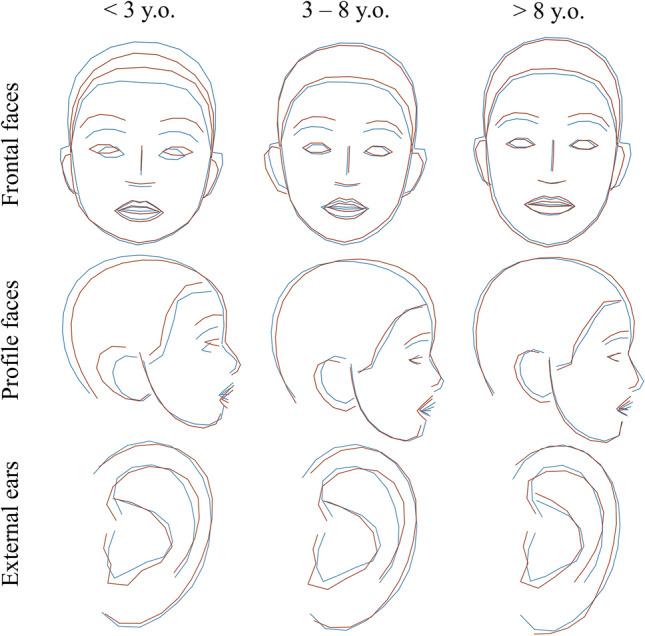
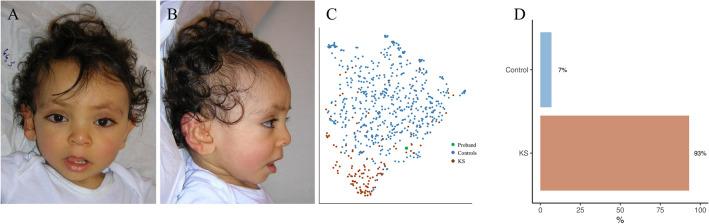
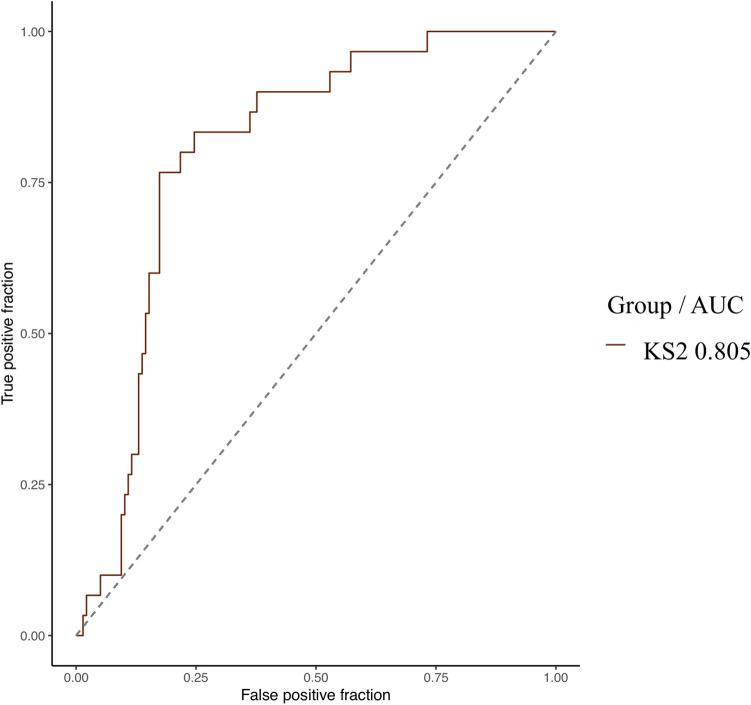
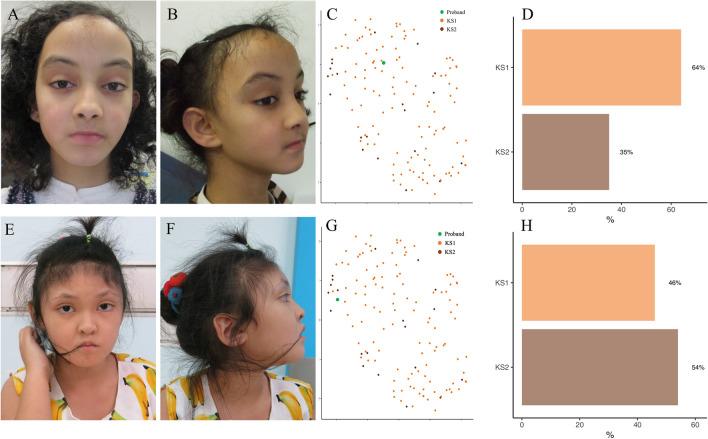
The field of dysmorphology has been changed by the use Artificial Intelligence (AI) and the development of Next Generation Phenotyping (NGP). The aim of this study was to propose a new NGP model for predicting KS (Kabuki Syndrome) on 2D facial photographs and distinguish KS1 (KS type 1, KMT2D-related) from KS2 (KS type 2, KDM6A-related). We included retrospectively and prospectively, from 1998 to 2023, all frontal and lateral pictures of patients with a molecular confirmation of KS. After automatic preprocessing, we extracted geometric and textural features. After incorporation of age, gender, and ethnicity, we used XGboost (eXtreme Gradient Boosting), a supervised machine learning classifier. The model was tested on an independent validation set. Finally, we compared the performances of our model with DeepGestalt (Face2Gene). The study included 1448 frontal and lateral facial photographs from 6 centers, corresponding to 634 patients (527 controls, 107 KS); 82 (78%) of KS patients had a variation in the KMT2D gene (KS1) and 23 (22%) in the KDM6A gene (KS2). We were able to distinguish KS from controls in the independent validation group with an accuracy of 95.8% (78.9-99.9%, p < 0.001) and distinguish KS1 from KS2 with an empirical Area Under the Curve (AUC) of 0.805 (0.729-0.880, p < 0.001). We report an automatic detection model for KS with high performances (AUC 0.993 and accuracy 95.8%). We were able to distinguish patients with KS1 from KS2, with an AUC of 0.805. These results outperform the current commercial AI-based solutions and expert clinicians.
人工智能(AI)的应用和下一代表型分析(NGP)的发展改变了发育异常形态学领域。本研究旨在提出一种新的 NGP 模型,用于预测二维面部照片中的 KS(歌舞伎综合征),并区分 KS1(KMT2D 相关)和 KS2(KDM6A 相关)。我们回顾性和前瞻性地纳入了 1998 年至 2023 年间所有经分子证实的 KS 患者的正面和侧面照片。在自动预处理后,我们提取了几何和纹理特征。在纳入年龄、性别和种族后,我们使用了 XGboost(极端梯度提升),这是一种有监督的机器学习分类器。该模型在独立验证集上进行了测试。最后,我们将我们的模型与 DeepGestalt(Face2Gene)的性能进行了比较。该研究纳入了来自 6 个中心的 1448 张正面和侧面面部照片,共 634 名患者(527 名对照,107 名 KS);82 名(78%)KS 患者的 KMT2D 基因发生变异(KS1),23 名(22%)的 KDM6A 基因发生变异(KS2)。我们能够在独立验证组中区分 KS 和对照组,准确率为 95.8%(78.9-99.9%,p<0.001),并区分 KS1 和 KS2,经验 AUC 为 0.805(0.729-0.880,p<0.001)。我们报告了一种具有高性能(AUC 0.993 和准确率 95.8%)的 KS 自动检测模型。我们能够区分 KS1 和 KS2 患者,AUC 为 0.805。这些结果优于当前的商业 AI 解决方案和专家临床医生。


 Zotero 插件