
埃及蜂胶中潜在的α-淀粉酶抑制剂与阿卡波糖的协同作用:基于计算机模拟和体外联合分析。
Synergistic effect of potential alpha-amylase inhibitors from Egyptian propolis with acarbose using in silico and in vitro combination analysis.
机构信息
Department of Pharmacognosy, Faculty of Pharmacy, Alexandria University, Alkhartoom Square, Alexandria, 21521, Egypt.
Department of Pharmaceutical Chemistry, Faculty of Pharmacy, Erciyes University, Kayseri, 38039, Turkey.
出版信息
BMC Complement Med Ther. 2024 Jan 30;24(1):65. doi: 10.1186/s12906-024-04348-x.
BACKGROUND
Type 2 Diabetes mellitus (DM) is an affliction impacting the quality of life of millions of people worldwide. An approach used in the management of Type 2 DM involves the use of the carbohydrate-hydrolyzing enzyme inhibitor, acarbose. Although acarbose has long been the go-to drug in this key approach, it has become apparent that its side effects negatively impact patient adherence and subsequently, therapeutic outcomes. Similar to acarbose in its mechanism of action, bee propolis, a unique natural adhesive biomass consisting of biologically active metabolites, has been found to have antidiabetic potential through its inhibition of α-amylase. To minimize the need for ultimately novel agents while simultaneously aiming to decrease the side effects of acarbose and enhance its efficacy, combination drug therapy has become a promising pharmacotherapeutic strategy and a focal point of this study.
METHODS
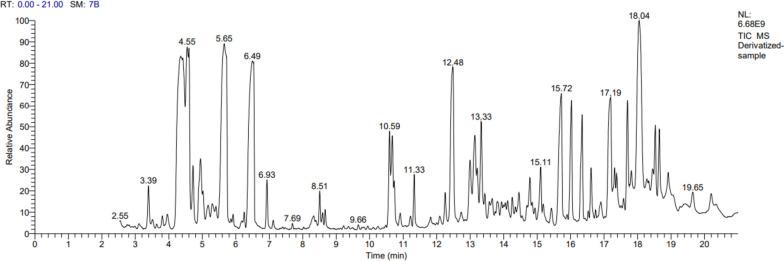
Computer-aided molecular docking and molecular dynamics (MD) simulations accompanied by in vitro testing were used to mine novel, pharmacologically active chemical entities from Egyptian propolis to combat Type 2 DM. Glide docking was utilized for a structure-based virtual screening of the largest in-house library of Egyptian propolis metabolites gathered from literature, in addition to GC-MS analysis of the propolis sample under investigation. Thereafter, combination analysis by means of fixed-ratio combinations of acarbose with propolis and the top chosen propolis-derived phytoligand was implemented.
RESULTS
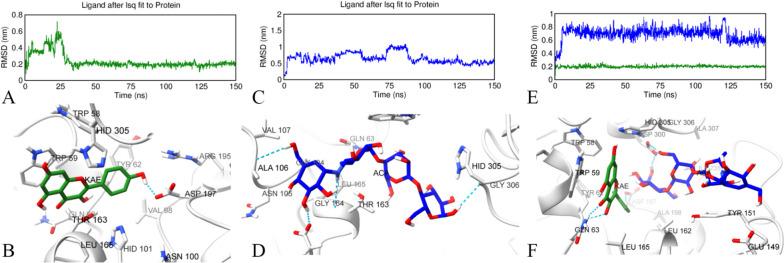
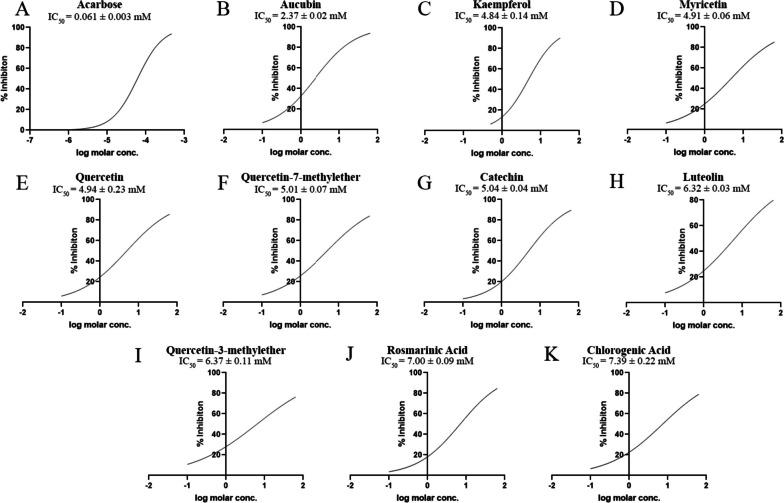
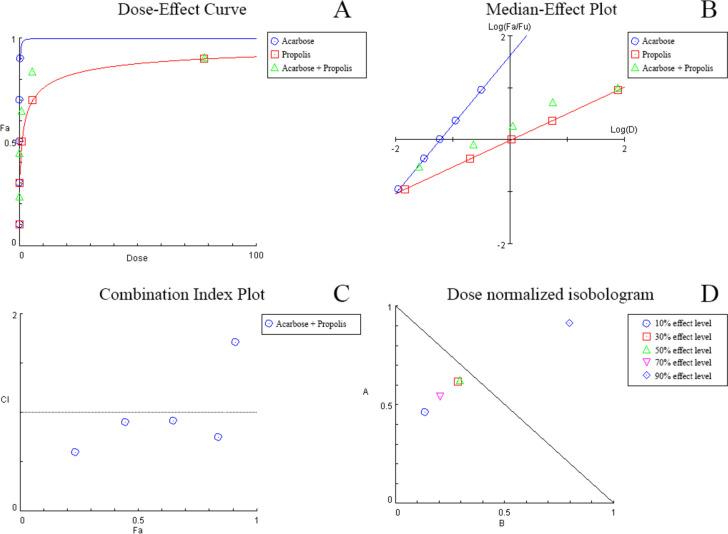
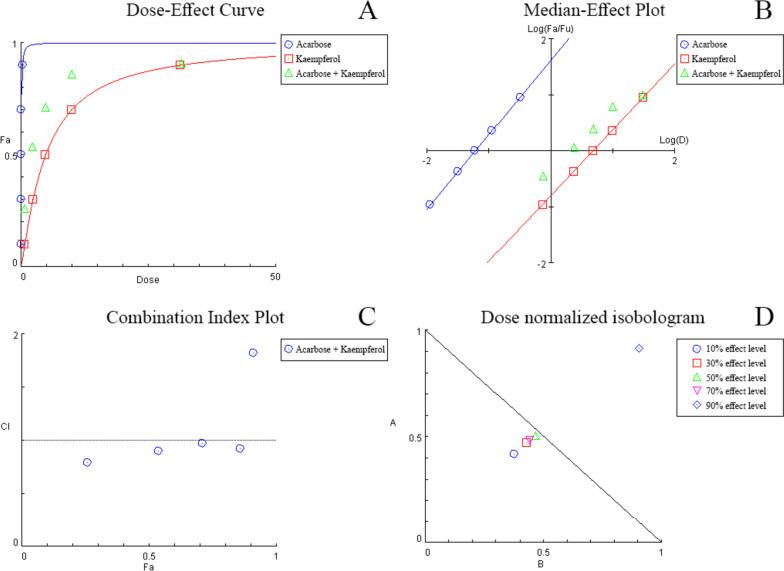
Aucubin, identified for the first time in propolis worldwide and kaempferol were the most promising virtual hits. Subsequent in vitro α-amylase inhibitory assay demonstrated the ability of these hits to significantly inhibit the enzyme in a dose-dependent manner with an IC of 2.37 ± 0.02 mM and 4.84 ± 0.14 mM, respectively. The binary combination of acarbose with each of propolis and kaempferol displayed maximal synergy at lower effect levels. Molecular docking and MD simulations revealed a cooperative binding mode between kaempferol and acarbose within the active site.
CONCLUSION
The suggested strategy seems imperative to ensure a steady supply of new therapeutic entities sourced from Egyptian propolis to regress the development of DM. Further pharmacological in vivo investigations are required to confirm the potent antidiabetic potential of the studied combination.
背景
2 型糖尿病(DM)是一种影响全球数百万人生活质量的疾病。在 2 型 DM 的管理中,使用碳水化合物水解酶抑制剂阿卡波糖。尽管阿卡波糖长期以来一直是这种关键方法的首选药物,但它的副作用会影响患者的依从性,进而影响治疗效果,这一点已经很明显。类似于阿卡波糖的作用机制,蜂胶,一种由生物活性代谢物组成的独特天然粘性生物量,已被发现通过抑制α-淀粉酶具有抗糖尿病潜力。为了在减少阿卡波糖副作用和提高疗效的同时最大限度地减少对最终新型药物的需求,联合药物治疗已成为一种有前途的药物治疗策略,也是本研究的重点。
方法
计算机辅助分子对接和分子动力学(MD)模拟以及体外测试用于从埃及蜂胶中挖掘新型的、具有药理活性的化学实体,以治疗 2 型糖尿病。Glide 对接用于对从文献中收集的最大的内部埃及蜂胶代谢物库进行基于结构的虚拟筛选,以及对正在研究的蜂胶样品进行 GC-MS 分析。此后,通过阿卡波糖与蜂胶的固定比例组合以及选择的顶级蜂胶衍生植物配体进行组合分析。
结果
在全球范围内,首次在蜂胶中发现了新的 aucubin 和 kaempferol,它们是最有前途的虚拟命中。随后的体外α-淀粉酶抑制试验表明,这些命中物能够以剂量依赖的方式显著抑制酶,IC 分别为 2.37±0.02 mM 和 4.84±0.14 mM。阿卡波糖与蜂胶和 kaempferol 的二元组合在较低的效果水平下显示出最大的协同作用。分子对接和 MD 模拟显示,kaempferol 与阿卡波糖在活性部位之间存在协同结合模式。
结论
该策略似乎对于确保从埃及蜂胶中获得稳定的新治疗实体供应以阻止糖尿病的发展至关重要。需要进一步的药理学体内研究来证实所研究的组合的潜在抗糖尿病潜力。

 Zotero 插件