
轻度 COVID-19 后医护人员的注意力损伤和大脑活动改变。
Attentional impairment and altered brain activity in healthcare workers after mild COVID-19.
机构信息
Department of Neurosurgery, The First Affiliated Hospital of Anhui Medical University, Hefei, China.
Anhui Public Health Clinical Center, Hefei, China.
出版信息
Brain Imaging Behav. 2024 Jun;18(3):566-575. doi: 10.1007/s11682-024-00851-4. Epub 2024 Feb 1.
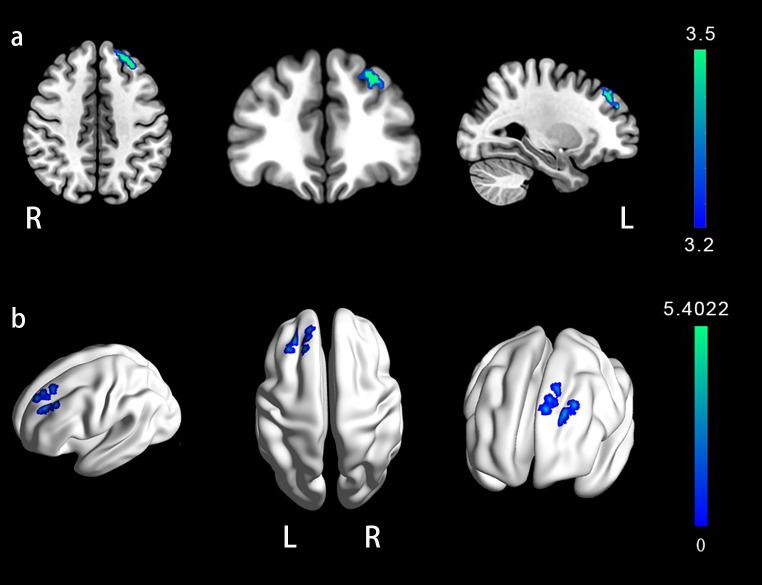
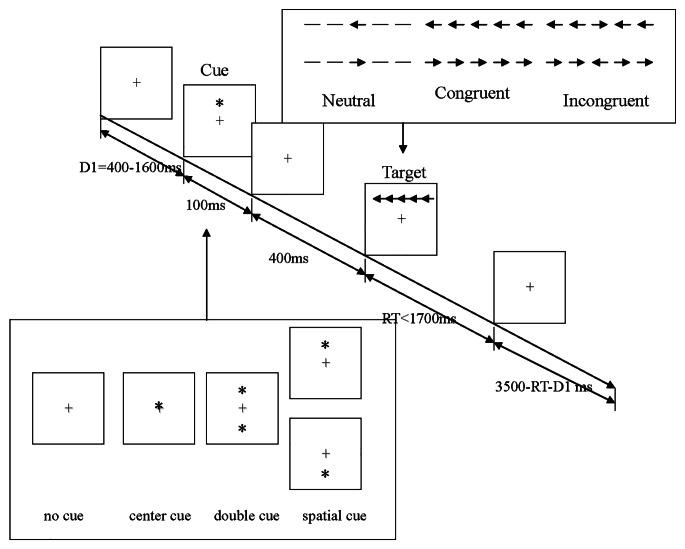
Severe acute respiratory syndrome coronavirus 2 (SARS-COV-2) is highly transmissible and pathogenic. Patients with mild cases account for the majority of those infected with coronavirus disease 2019 (COVID-19). Although there is evidence that many patients with COVID-19 have varying degrees of attentional impairment, little is known about how SARS-COV-2 affects attentional function. This study included a high-risk healthcare population divided into groups of healthcare workers (HCWs) with mild COVID-19 (patient group, n = 45) and matched healthy HCWs controls (HC group, n = 42), who completed general neuropsychological background tests and Attention Network Test (ANT), and underwent resting-state functional magnetic resonance imaging (rs-fMRI) using amplitude of low-frequency fluctuation (ALFF) to assess altered brain activity; Selective impairment occurred in orienting and executive control networks, but not in alert network, in the patient group, and widespread cognitive impairment encompassing general attention, memory, and executive dysfunction. Moreover, the patient group had significantly lower ALFF values in the left superior and left middle frontal gyri than the HC group. SARS-COV-2 infection may have led to reduced brain activity in the left superior and left middle frontal gyri, thus impairing attentional orienting and executive control networks, which may explain the development of attentional deficits after COVID-19.
严重急性呼吸综合征冠状病毒 2(SARS-COV-2)具有高度传染性和致病性。患有轻症的患者占 COVID-19 感染者的大多数。虽然有证据表明许多 COVID-19 患者存在不同程度的注意力损伤,但对于 SARS-COV-2 如何影响注意力功能知之甚少。这项研究纳入了高危医疗保健人群,分为 COVID-19 轻症的医护人员(患者组,n=45)和匹配的健康医护人员对照组(HC 组,n=42),他们完成了一般神经心理学背景测试和注意网络测试(ANT),并进行了静息态功能磁共振成像(rs-fMRI),使用低频振幅(ALFF)评估改变的大脑活动;在患者组中,定向和执行控制网络选择性受损,但警觉网络未受损,并且存在广泛的认知障碍,包括一般注意力、记忆和执行功能障碍。此外,与 HC 组相比,患者组的左侧额上回和额中回的 ALFF 值明显降低。SARS-COV-2 感染可能导致左侧额上回和额中回的大脑活动减少,从而损害注意力定向和执行控制网络,这可能解释了 COVID-19 后注意力缺陷的发展。

 Zotero 插件